How Is Web Scraping for Brand-Level Insights in Ecommerce Transforming Modern Retail Strategies?
Introduction
Modern ecommerce is evolving rapidly as brands compete across multiple marketplaces, online stores, and digital channels. Retailers no longer rely solely on historical reports because consumer preferences, pricing strategies, product availability, and competitor activities change every day. Businesses now require accurate datasets that provide actionable intelligence for smarter merchandising, inventory planning, and marketing decisions. This is where Web Scraping for Brand-Level Insights in Ecommerce plays a significant role by collecting structured information from diverse online retail platforms.
Organizations implementing Web Scraping Ecommerce Data can monitor thousands of products simultaneously while tracking pricing changes, customer reviews, stock availability, and brand visibility. Studies indicate that over 70% of online shoppers compare multiple brands before making a purchase, while nearly 60% of retailers actively invest in automated market intelligence to improve decision-making.
These insights help businesses identify profitable opportunities faster and reduce dependency on manual research. By combining Brand Insights From Online Stores, companies transform raw product information into valuable business intelligence. The result is improved forecasting, optimized product positioning, stronger competitive awareness, and better customer engagement that supports long-term ecommerce growth.
Building Stronger Competitive Strategies Through Continuous Retail Intelligence
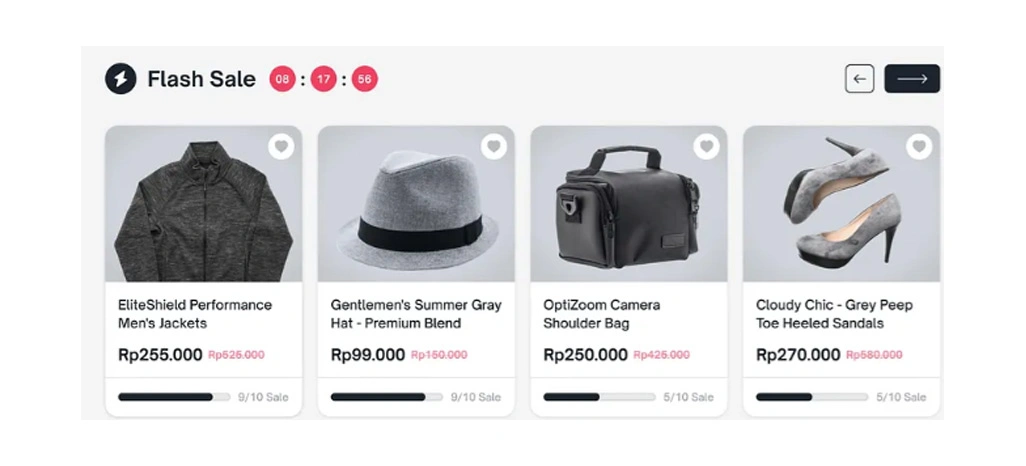
Retail success depends on accurate information that reflects changing consumer demand, pricing strategies, and product availability across online marketplaces. Businesses that invest in structured ecommerce intelligence can evaluate thousands of products simultaneously while reducing manual research efforts.
According to industry reports, nearly 78% of retailers actively monitor competitors to improve merchandising decisions, while automated retail analytics reduce research time by almost 40%. Using Competitor Brand Analysis Ecommerce, organizations compare product assortments, pricing structures, and promotional activities across multiple platforms to identify emerging opportunities.
Likewise, Ecommerce Market Intelligence enables decision-makers to recognize regional demand patterns, shifting consumer interests, and category performance before competitors react. Integrating Ecommerce Pricing Intelligence into daily operations further improves pricing consistency, allowing businesses to respond quickly to market fluctuations without sacrificing profitability.
Retail Intelligence Performance Snapshot:
| Metric | Industry Value |
|---|---|
| Retailers monitoring competitors | 78% |
| Average pricing update frequency | Every 24 hours |
| Faster strategic decisions | 30% |
| Improvement in pricing accuracy | 27% |
| Reduction in manual research | 40% |
As ecommerce competition intensifies, retailers using automated brand monitoring can improve pricing accuracy, identify profitable market gaps, strengthen promotional strategies, and increase operational efficiency through reliable retail datasets that guide long-term commercial growth while minimizing analytical delays and improving overall business responsiveness.
Enhancing Customer Understanding Through Comprehensive Digital Product Evaluation
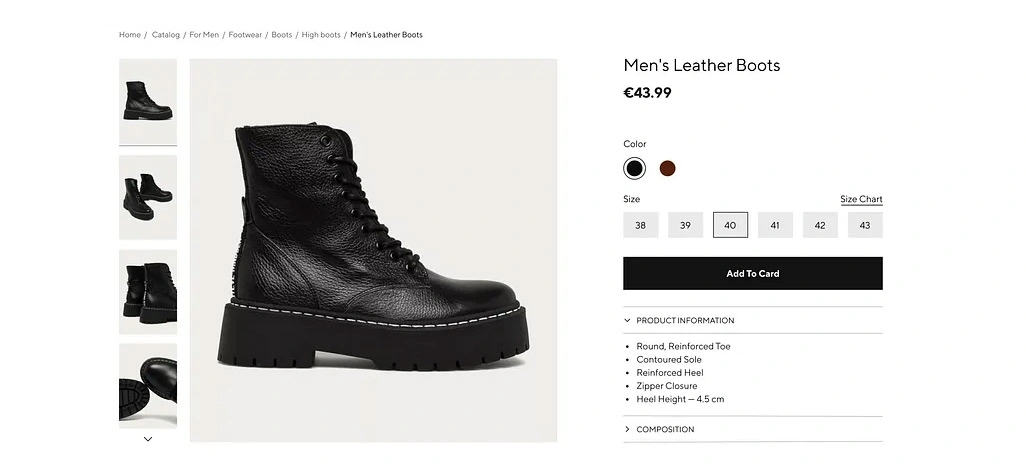
Understanding customer preferences requires consistent access to reliable product information collected from multiple ecommerce platforms. Research indicates that approximately 65% of online shoppers review detailed product information before completing purchases, while nearly 72% compare several brands during their buying journey.
Through Online Store Brand Analytics and Trends, businesses recognize changing customer interests, monitor category performance, and identify products generating the highest engagement. Similarly, Extracting Product Brand Insights Using Datasets provides structured information that simplifies customer segmentation, seasonal forecasting, assortment planning, and merchandising improvements.
Incorporating Competitor Analysis into retail intelligence strategies allows organizations to benchmark product performance, compare customer responses, evaluate promotional effectiveness, and identify market opportunities before competitors respond. Rather than relying on isolated customer feedback, retailers build comprehensive intelligence from continuously updated product information across numerous ecommerce channels.
Consumer Intelligence Overview:
| Metric | Industry Value |
|---|---|
| Customers reading reviews | 65% |
| Product comparison before purchase | 72% |
| Growth in digital product research | 48% |
| Better merchandising efficiency | 26% |
| Increase in customer engagement | 31% |
Reliable ecommerce intelligence ultimately enables businesses to align merchandising decisions with evolving consumer expectations while maintaining competitive relevance across rapidly changing digital retail environments.
Transforming Structured Product Information Into Better Business Decisions
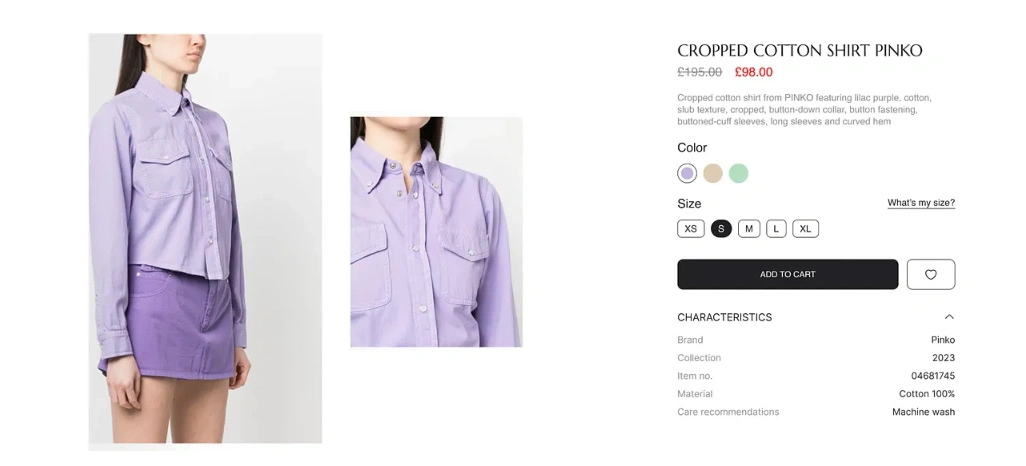
Accurate product information forms the foundation of successful ecommerce operations, helping businesses improve inventory management, merchandising, forecasting, and operational planning. Automated E-Commerce Data Scraping enables retailers to collect structured product information continuously from multiple ecommerce platforms while minimizing manual effort and reporting delays.
Through Real-Time Brand Intelligence for Retailers, businesses receive continuously refreshed insights that support timely pricing adjustments, promotional planning, assortment optimization, and category expansion. At the same time, Ecommerce Product Metadata API Dataset provides standardized product attributes that simplify product comparisons, improve catalog consistency, and enhance reporting accuracy across marketplaces.
Additionally, Ecommerce Product Research Dataset API helps organizations analyze product performance, identify high-demand categories, monitor assortment changes, and support strategic planning using reliable structured datasets. Rather than spending valuable resources on manual collection, retailers receive scalable intelligence that supports informed decision-making across every stage of ecommerce operations.
Product Data Intelligence Summary:
| Metric | Industry Value |
|---|---|
| Better inventory forecasting | 35% |
| Faster catalog updates | 40% |
| Reduced manual effort | 55% |
| Product data accuracy | 96% |
| Improved operational efficiency | 32% |
Consistent product intelligence ultimately strengthens forecasting capabilities, reduces operational inefficiencies, improves inventory allocation, and enables organizations to respond confidently to changing consumer demand while maintaining sustainable retail growth in highly competitive digital marketplaces.
How Retail Scrape Can Help You?
Businesses implementing Web Scraping for Brand-Level Insights in Ecommerce can continuously monitor changing product catalogs, customer preferences, pricing movements, and marketplace activity through advanced automation.
Our Ecommerce Scraping API delivers scalable datasets that simplify retail analytics while supporting strategic planning across multiple ecommerce platforms.
- Monitor product availability across numerous online marketplaces.
- Track changing retail prices with automated updates.
- Compare product assortments across competing brands.
- Collect structured datasets with minimal manual effort.
- Support inventory planning using consistent retail information.
- Generate actionable reports for strategic business decisions.
Additionally, our solutions provide Online Store Brand Analytics and Trends that enable organizations to strengthen forecasting, improve merchandising strategies, optimize promotional campaigns, and make informed decisions using reliable ecommerce intelligence tailored to evolving market conditions.
Conclusion
Retail organizations increasingly rely on Web Scraping for Brand-Level Insights in Ecommerce to improve decision-making, monitor market movements, and optimize business performance. Continuous access to structured retail intelligence enables brands to respond quickly to changing consumer behavior while supporting sustainable ecommerce growth through accurate Real-Time Brand Intelligence for Retailers.
Businesses seeking scalable ecommerce intelligence should invest in reliable data solutions that transform complex retail information into measurable business value. Partner with Retail Scrape today to build data-driven retail strategies that improve competitive performance and accelerate long-term success.
Effortlessly managing intricacies with customized strategies.
Mitigating risks, navigating regulations, and cultivating trust.
Leveraging expertise from our internationally acclaimed team of developers
Reliable guidance and assistance for your business's advancement