
How Does Zomato and Swiggy API Integration for Restaurant POS Ensure Flawless Real-Time Order Syncing?
Introduction
In the fast-paced modern dining landscape, handling online orders manually creates unnecessary operational friction for kitchen staff. Relying on dedicated tablets to manually punch incoming digital orders into billing software frequently causes delays, kitchen bottlenecks, and frequent human errors during busy peak hours.
Deploying a modern Zomato API Integration along with other aggregator channels bridges the direct communication gap between third-party apps and billing systems. This automated pipeline ensures digital orders route instantly into kitchen display systems, dramatically speeding up prep workflows and eliminating double-entry overhead.
Implementing a robust Zomato and Swiggy API Integration for Restaurant POS framework allows food businesses to automate ticket generation seamlessly. This unified technical setup minimizes manual intervention, elevates order accuracy, and enables restaurant operators to focus entirely on culinary quality and customer satisfaction.
Streamlining Digital Order Workflows To Eliminate Kitchen Delays
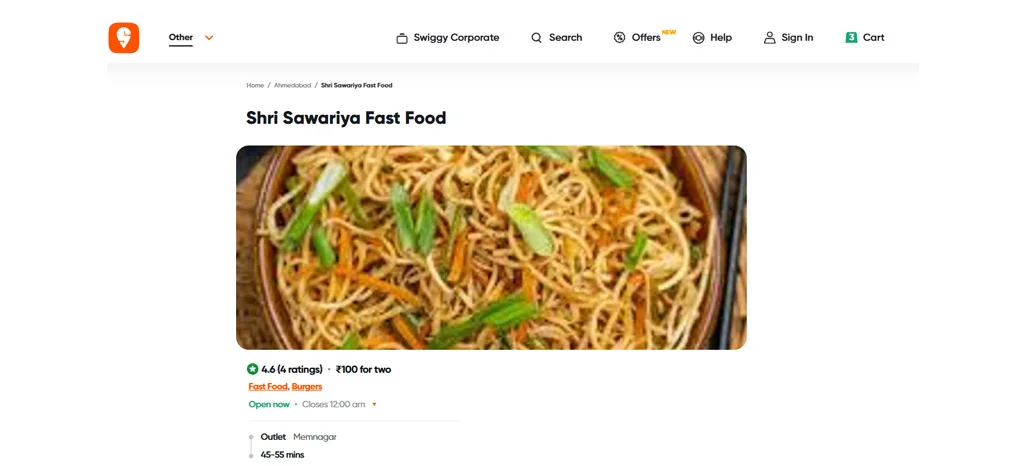
Managing high volumes of incoming online delivery orders without an automated system presents severe operational hurdles for busy food venues. When staff members manually read order details off third-party delivery tablets and re-type them into billing software, order execution speeds stall immediately. Implementing a Swiggy API Integration streamlines this entire operational flow by transmitting ticket details straight to kitchen displays without human interference.
Beyond immediate speed advantages, automating order processing eliminates human errors like forgotten modifications or wrong items. Front-of-house employees often experience severe strain during rush periods, leading to frequent typos and missed order specifications. By connecting delivery channels directly to a robust POS System for Restaurants, management guarantees that every customer customization prints accurately on kitchen tickets, safeguarding order accuracy and customer trust.
Transitioning to automated digital workflows completely transforms front-of-house operations and overall productivity:
- Reduces order receipt to kitchen ticket latency to under three seconds.
- Prevents miscommunication between front-desk staff and kitchen line cooks.
- Eliminates double-entry administrative labor across multiple aggregator channels.
- Maximizes ticket processing capacity during high-demand peak dining hours.
Having a direct digital pipeline protects long-term business margins and enhances kitchen staff efficiency during intense operational hours. Restaurant managers gain total transparency over active orders, ensuring that food prep begins immediately upon payment confirmation without administrative friction slowing down prep lines.
| Operational Performance Metric | Manual Tablet Workflow | Automated API Workflow | Total Performance Advantage |
|---|---|---|---|
| Order Transfer Latency | 2.5 to 4 minutes | 3 to 5 seconds | 95% reduction in latency |
| Peak Hour Ticket Accuracy | 88% - 92% | 99.8% | Eliminates entry errors |
| Kitchen Ticket Creation | 120 seconds | Instantaneous | Immediate KDS routing |
Synchronizing Live Menu Availability Across Multiple Online Channels
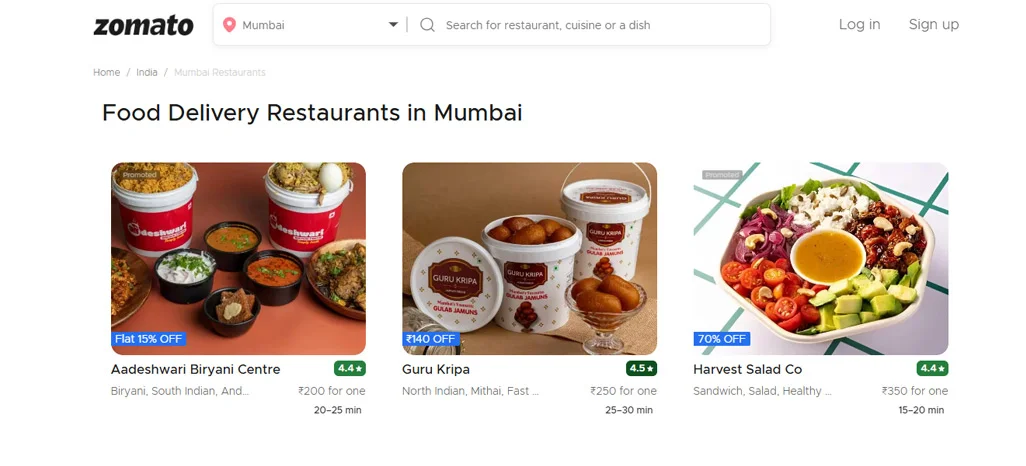
Maintaining precise inventory levels across several online delivery platforms simultaneously is exceptionally challenging for growing restaurant brands. When popular dishes run out during busy shifts, updating each aggregator app individually takes valuable time and leads to unwanted order cancellations. Leveraging a high-performance Zomato Food Scraper grants market intelligence on competitor pricing trends while internal API bridges update live ingredient stock across all active channels instantaneously.
When menu stock updates happen automatically across platforms, restaurants avoid customer frustration and negative online reviews. An automated link ensures that the moment an item hits zero stock in billing systems, it marks as sold out on every customer-facing app immediately. Utilizing strategic automation tools helps brands Automate Restaurant Orders Using Delivery APIs, ensuring that dish availability mirrors actual kitchen inventory without requiring constant employee monitoring.
Centralized stock management delivers critical operational advantages to multi-location food operations:
- Automatic out-of-stock toggling across all connected third-party aggregators.
- Unified single-click menu price updates across online delivery channels.
- Prevention of order cancellations caused by out-of-stock kitchen items.
- Seamless real-time synchronization of seasonal menu offerings and specials.
Implementing real-time digital sync protects brand reputation and maintains high customer satisfaction scores across delivery apps. Eliminating manual menu administration frees operational leaders to concentrate on menu innovation, food presentation, and consistently fast order dispatch speeds.
| Inventory Management Metric | Manual Inventory Updating | Real-Time API Synchronization | Strategic Business Impact |
|---|---|---|---|
| Order Cancellation Rate | 6.5% - 8.0% | Under 0.5% | Protects delivery app ratings |
| Stock Out Update Speed | 15 - 20 minutes | Under 2 seconds | Prevents invalid customer orders |
| Menu Change Deployment | Hours across platforms | Instant single-click | Simplifies pricing management |
Centralizing Financial Data Management And Daily Revenue Reconciliation
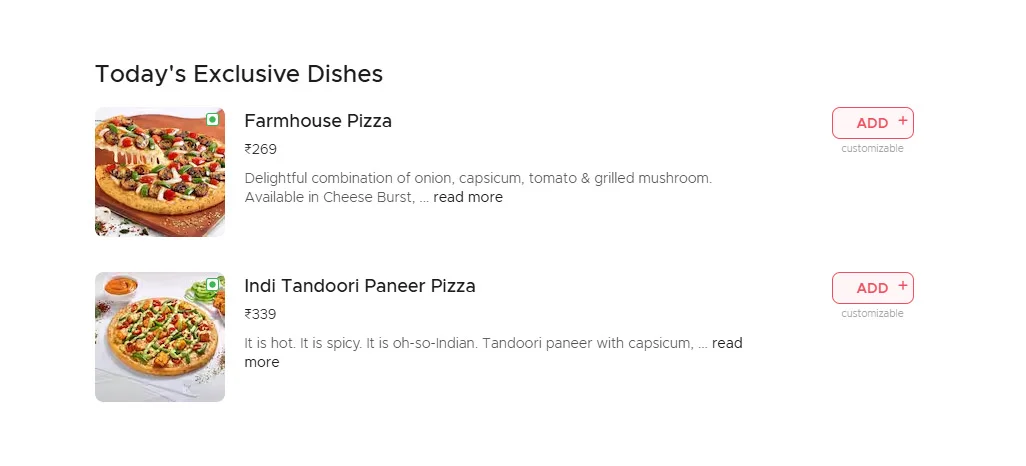
Managing sales figures across multiple delivery platforms creates financial complexity for restaurant accountants and managers. Sorting through daily sales reports, platform commissions, customer payouts, and cancelled order fees manually consumes valuable hours every week. Deploying an advanced Swiggy Scraper helps audit public menu rankings and platform data while integrated systems consolidate overall financial data into a single, clean dashboard.
Automating data collection across all sales channels removes the guesswork from accounting and daily end-of-day balance checks. Having all digital delivery sales aggregated directly into software allows accounting teams to identify payment discrepancies, track aggregator commission splits, and monitor overall profitability effortlessly. Operating with a reliable Zomato Order Management API empowers decision-makers to track sales trends live, evaluate menu profitability, and optimize channel strategies with total clarity.
Unified financial tracking offers key analytical advantages to restaurant business owners:
- Live tracking of platform commissions, discounts, and customer adjustments.
- Automated daily sales reconciliation without manual spreadsheet entry.
- Instant detection of payment discrepancies across third-party partners.
- Clear revenue visibility to optimize profit margins across all channels.
Establishing a single source of truth for financial data transforms business reporting from a tedious burden into a strategic growth driver. Clear financial insights allow managers to spot top-selling menu items, cut unnecessary costs, and make confident expansions based on actual platform performance metrics.
| Accounting and Analytics Metric | Manual Financial Reconciliation | API-Driven Financial Tracking | Key Financial Advantage |
|---|---|---|---|
| Daily Audit Labor Time | 2 to 3 hours daily | Instant automated generation | Saves managerial labor hours |
| Discrepancy Detection | Frequently missed | Highlighted automatically | Protects revenue accuracy |
| Multi-Channel Auditing | Weekly delayed review | Continuous real-time tracking | Boosts cash flow visibility |
How Retail Scrape Can Help You?
Modern food businesses require precise data intelligence and robust technical connectivity to maintain market leadership across dynamic food delivery platforms. Relying on advanced Zomato and Swiggy API Integration for Restaurant POS technology empowers food chains to monitor competitive pricing, optimize menu architectures, and streamline delivery performance across multiple online channels effortlessly.
- Automated extraction of competitor menu pricing and promotional strategies.
- Real-time monitoring of customer ratings, reviews, and delivery sentiment.
- Tracking regional food category trends and high-demand culinary offerings.
- Deep analysis of dish visibility, banner rankings, and platform placements.
- Instant mapping of out-of-stock patterns to optimize inventory planning.
- Comprehensive benchmark insights for multi-location brand scaling.
By harnessing actionable Food Delivery Data Intelligence, strategic operators can make smarter decisions and deploy a high-efficiency Swiggy Order Management API setup that enhances order fulfillment speeds and maximizes overall bottom-line profitability.
Conclusion
Streamlining digital order workflows has transformed from a competitive advantage into an absolute operational necessity for modern dining establishments. Implementing a robust Zomato and Swiggy API Integration for Restaurant POS framework allows management to maintain unified operational control, safeguard inventory accuracy, and enhance overall guest satisfaction across every online sales channel.
Sustaining continuous operational growth requires reliable technical infrastructure that scales alongside increasing order volumes effortlessly. By upgrading your tech stack with a specialized Restaurant POS Automation API, your brand can centralize multi-platform management, optimize kitchen labor, and boost daily profitability. Connect with Retail Scrape today to revolutionize your digital food ordering ecosystem!