


How Does Walmart, Costco & Whole Foods Grocery Data Scraping Reveal Nutrition and Ingredient Trends?
Introduction
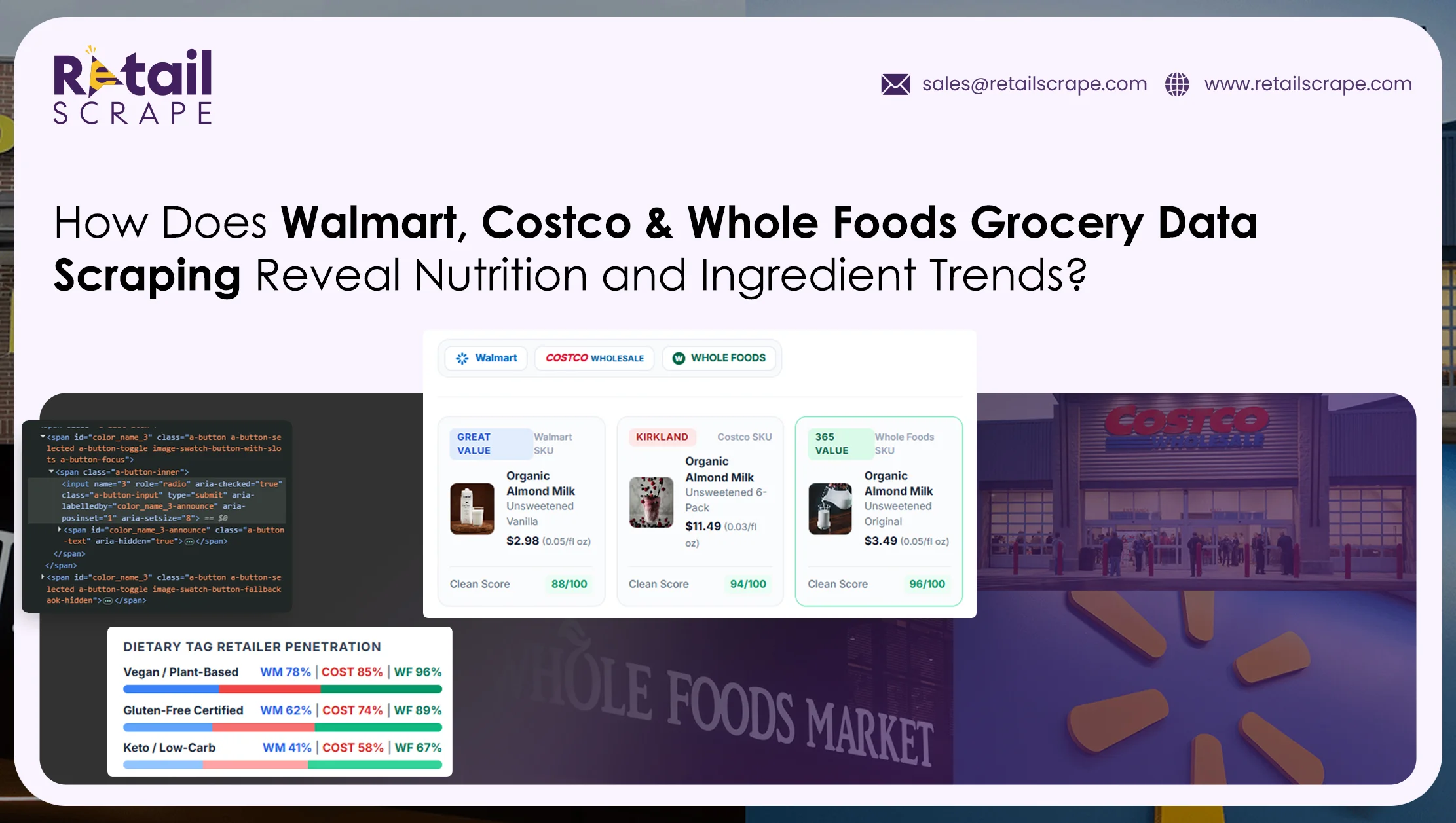
The modern retail landscape is shifting rapidly as consumer preferences lean toward organic ingredients, functional foods, and transparent labeling. For brands and market analysts, staying informed requires capturing real-time product information from leading supermarket chains. Grocery Data Scraping serves as an indispensable tool for analyzing large-scale inventory changes across major national retailers.
Extracting digital catalog information from retail giants allows business leaders to identify micro-trends before they become mainstream market demands. Analyzing shelf listings, ingredient declarations, and promotional schedules offers a clear view of evolving consumer diets. By monitoring these digital footprints continuously, brands can optimize their product formulations and adapt quickly to emerging buyer habits.
Utilizing Walmart, Costco & Whole Foods Grocery Data Scraping enables commercial teams to map ingredient patterns and pricing dynamics seamlessly. This automated data collection provides a solid foundation for evaluating competitive brand positioning and demand shifts. Consequently, stakeholders transform complex web data into decisive, growth-focused retail intelligence.
Tracking Organic Formulations and Clean Label Retail Market Trends
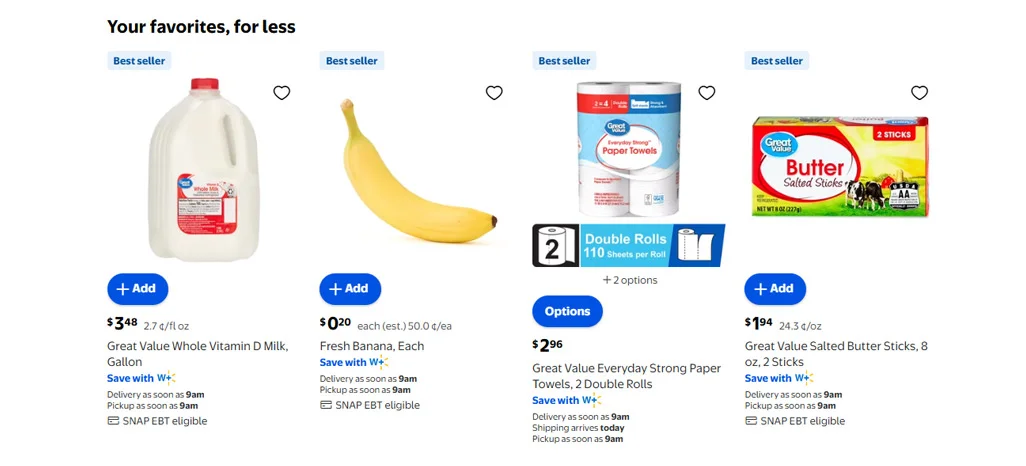
The rapid evolution of consumer dietary preferences has compelled major retail chains to continuously update their product catalogs with cleaner ingredient formulations. Integrating a robust Grocery Product Data Scraping API enables analytics platforms to stream newly listed health items and modified ingredient lists directly into central database architectures continuously.
Tracking shifts in clean-label availability requires continuous monitoring of ingredient lists across diverse product categories, ranging from packaged goods to fresh produce. When major grocery networks update their digital inventories, automated extraction pipelines capture subtle changes in sweetener types, artificial colorings, and allergen declarations. This granular visibility allows market research teams to pinpoint exactly when clean-label items transition from niche specialty offerings into mainstream commercial inventory.
Accessing structured catalog metrics empowers commercial teams to make data-backed decisions regarding raw ingredient sourcing, packaging transparency, and regional distribution. As health-conscious shoppers demand greater visibility into food origins, brands equipped with automated data pipelines maintain a significant competitive edge over slower market rivals.
- Dynamic tracking of clean-label reformulations and ingredient modifications across retail categories
- Systematic identification of emerging organic certifications and allergen-free product badges
- Categorization of plant-based and functional food additions across mass and wholesale catalogs
- Automated extraction of detailed product specifications and manufacturer ingredient claims
Evaluating cross-retailer product data reveals key operational differences in how distinct store models incorporate organic and natural items into their primary supply chains. By utilizing Walmart and Costco Product Data Scraping, corporate strategists gain direct visibility into how mass-market merchants and wholesale clubs expand their health-focused inventory alongside traditional specialty grocers.
| Retailer Segment | Organic SKU Share (%) | Clean-Label Growth Rate (%) | Primary Emerging Category |
|---|---|---|---|
| Mass Merchants | 18.5% | +14.2% | Plant-Based Proteins |
| Wholesale Clubs | 24.1% | +11.8% | Organic Cold-Pressed Oils |
| Specialty Grocers | 68.3% | +8.5% | Functional Mushroom Extracts |
Analyzing Price Surcharges and Nutritional Value Across Grocers
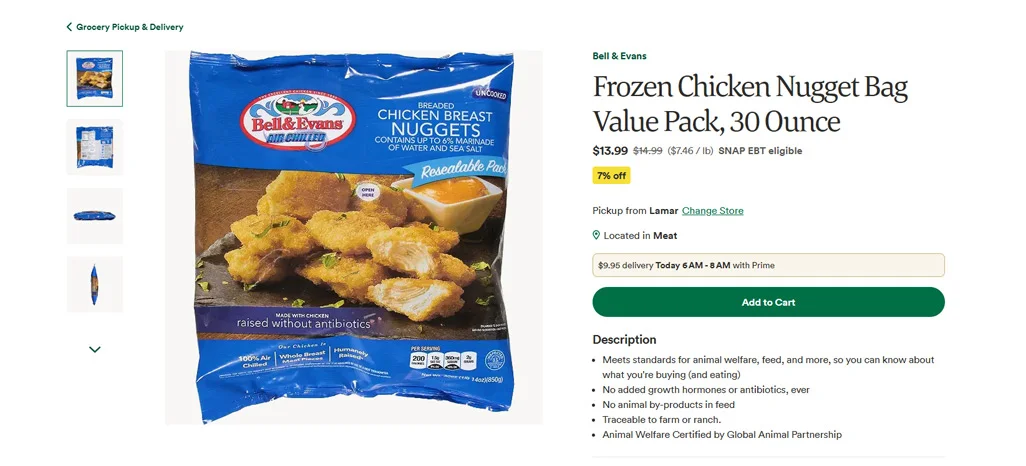
Understanding how retail pricing interacts with nutritional content is vital for brands aiming to position health-focused products competitively. Automated monitoring tools evaluate unit prices against specific dietary claims, helping commercial teams calculate the exact cost premium consumers pay for functional ingredients. Deploying Grocery Data Extraction for Price Comparison allows price analysts to benchmark premium dietary lines against standard packaged alternatives across diverse retail environments.
By implementing Walmart Costco Whole Foods Price Scraping, market analysts evaluate price elasticity across distinct retail business models, ranging from discount hypermarkets to high-end organic stores. These comparative metrics give commercial leadership the clarity needed to adjust promotional strategies, manage margin expectations, and maintain competitive pricing across varied demographic zones.
Continuous price monitoring ensures that manufacturers can react swiftly to inflationary pressures and competitor discounts within specialized nutrition segments. Structured market pricing intelligence transforms raw cost data into strategic roadmap advantages for long-term product viability.
- Real-time price tracking across specialized macro-nutrient and keto-friendly product lines
- Unit-level cost comparison between organic items and standard conventional alternatives
- Historical price movement analysis during seasonal promotional campaigns and inflation cycles
- Margin optimization frameworks tailored for mass, bulk, and specialty retail channels
Statistical evaluations show that items boasting specialized macro-nutrient claims, such as high protein or keto-friendly formulations, experience distinct price movements compared to conventional grocery stock. Tracking these micro-fluctuations helps category managers determine optimal price thresholds without losing market share to alternative brands.
| Grocer Format | Premium Health Surcharge (%) | Average Unit Price (Organic) | Dominant Nutritional Claim |
|---|---|---|---|
| Mass Merchant | 12.4% | $4.15 | Low-Carb / Keto-Friendly |
| Wholesale Club | 8.2% | $11.80 | High Plant-Based Protein |
| Specialty Store | 22.6% | $6.45 | Non-GMO Gluten-Free |
Evaluating Local Stock Rates and Regional Health Demand Patterns
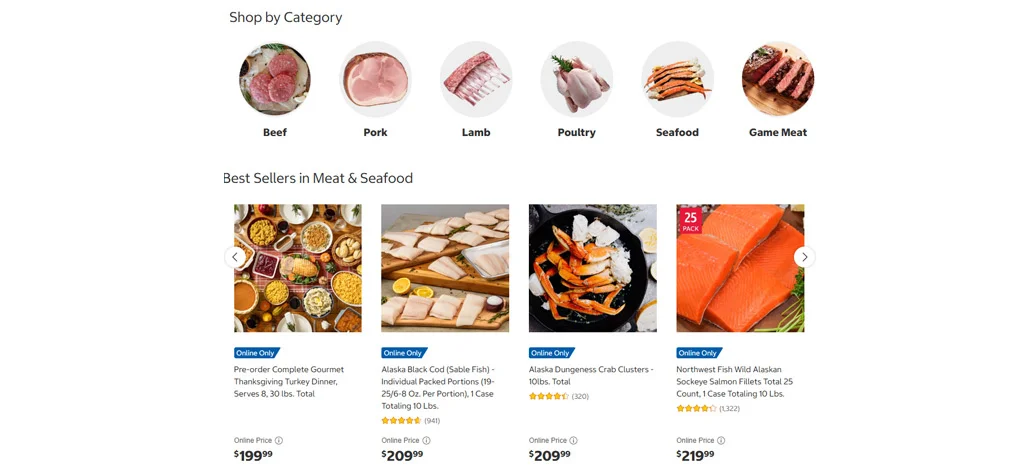
Store-level inventory visibility provides unprecedented insight into local consumer eating habits and geographic purchasing trends. Tracking local out-of-stock patterns highlights which health-oriented product lines experience elevated demand within specific urban or suburban territories. Integrating Quick Commerce Data Intelligence tools ensures real-time visibility into rapid stock turnover rates across fast-paced delivery networks and local micro-fulfillment hubs.
Regional demographic variations directly influence how quickly specialty nutrition items move off store shelves in different geographical markets. Analyzing geographic inventory velocity helps supply chain managers allocate high-demand organic items to high-turnover locations, minimizing product waste and stock depletion.
Real-time stock tracking bridges the critical gap between market demand forecasting and actual shelf fulfillment. Organizations that leverage automated inventory pipelines can proactively address regional supply shortages before they impact brand loyalty.
- Monitoring real-time stockouts for specialty dietary and organic product lines
- Mapping regional turnover rates for fresh, plant-based, and functional packaged goods
- Optimizing localized inventory fulfillment based on regional dietary demands
- Assessing replenishment speed across urban fulfillment hubs and suburban stores
Through systematic US Grocery Pricing and Nutrition Data Scraping, corporate logistics leaders map regional dietary preferences against active store inventory metrics. This detailed operational foresight ensures that product supply mirrors actual regional consumption patterns, preventing lost sales opportunities in fast-growing dietary markets.
| Geographic Category | Out-of-Stock Rate (Organic) | High-Demand Product Category | Restock Frequency Rate |
|---|---|---|---|
| Urban Centers | 7.8% | Dairy-Free Beverages | Daily |
| Suburban Zones | 4.2% | Bulk Organic Grains | Every 2 Days |
| Rural Hubs | 9.1% | Natural Supplements | Twice Weekly |
How Retail Scrape Can Help You?
Modern retail analytics demand consistent, high-fidelity data pipelines capable of handling massive SKU volumes without interruption. Implementing Walmart, Costco & Whole Foods Grocery Data Scraping equips enterprise teams with structured data customized for strategic decision-making.
Proprietary data extraction frameworks reduce the risks associated with manual monitoring and deliver accurate, structured information directly into existing business intelligence systems, while a Grocery Scraper supports consistent data collection for efficient analysis and informed business decisions.
- Automated tracking of nutritional labels and ingredient list changes
- Dynamic monitoring of promotional discounts and unit-level pricing
- Precise store-level inventory and store availability tracking
- Cross-retailer catalog mapping for private-label strategy analysis
- Custom alerting for regional product launches and local stockouts
- Structured data delivery via tailored cloud storage integration
Integrating custom Grocery Inventory Data Extraction Services ensures seamless operational scaling, enabling brands to refine product placement, adjust pricing dynamically, and capitalize on dietary market shifts effortlessly.
Conclusion
Understanding regional dietary shifts requires systematic evaluation of retail product catalogs, pricing structures, and ingredient declarations. Incorporating Walmart, Costco & Whole Foods Grocery Data Scraping into your market research workflow guarantees immediate access to changing retail landscapes, enabling optimized product positioning and smarter inventory distribution across all selling channels.
Sustained competitive growth hinges on having access to timely, high-quality market intelligence across all distribution networks. Accessing custom Retail Grocery Data Intelligence API solutions allows organizations to track clean-label demand, monitor price fluctuations, and refine strategic forecasting seamlessly. Contact Retail Scrape today to build scalable data extraction pipelines tailored to your retail analytics goals.