

How 92% of Retail Leaders Use UK Grocery APIs for Real-Time Stock Tracking to Avoid Out-of-Stock?
Introduction
In today’s fast-moving UK grocery market, shoppers expect every product to be available instantly, whether they are ordering online or visiting a nearby store. Even a small stock delay can trigger lost revenue, customer dissatisfaction, and long-term brand switching. That is why retailers are shifting from manual updates and delayed inventory systems to faster, automated availability tracking models.
Many grocery brands previously relied on Web Scraping Grocery Stock Data to capture store availability signals, but the growing demand for cleaner data and consistent speed is pushing companies toward structured API solutions. When a product goes out of stock, the impact is immediate: abandoned carts increase, promotions fail, and store teams struggle with replenishment timing.
They help retailers identify availability changes instantly, prevent gaps in supply planning, and ensure inventory decisions are based on real-time demand patterns. With UK Grocery APIs for Real-Time Stock Tracking, operations teams can align warehouse movement with store-level needs. In fact, leading UK retail brands are now treating real-time inventory feeds as essential infrastructure for smarter forecasting, better order fulfillment, and stronger customer trust.
How Inventory Delays Trigger Frequent Store Losses?
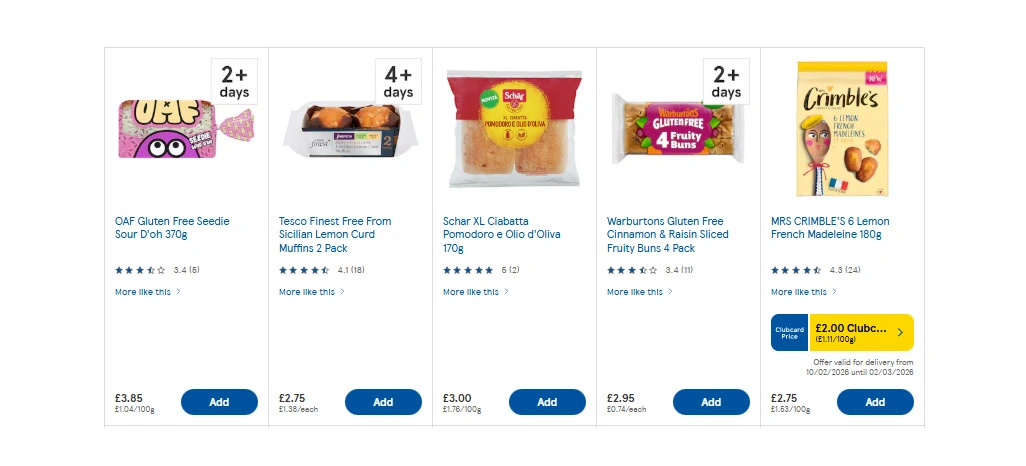
Out-of-stock problems in UK grocery retail are often caused by delayed system refreshes rather than actual supply shortages. This is exactly Why Retailers Use UK Grocery APIs for Stock Tracking, because faster and structured inventory feeds reduce the risk of “phantom stock” where systems show availability but shelves remain empty.
Operational leaders increasingly compare Web Scraping vs Grocery APIs for Stock Monitoring to understand which method provides better stability. Retail analytics reports show that delayed inventory visibility can increase cart abandonment by 20% and raise delivery cancellation rates by nearly 15%.
Retailers focusing on Track Grocery Stock Levels Across UK Retailers are also improving store-level response time, especially during promotions and seasonal demand spikes. When inventory updates are automated, store teams can react quicker and prevent missed sales opportunities.
Inventory Disruption Impact Table:
| Retail Issue | Business Impact | Improvement Opportunity |
|---|---|---|
| Slow inventory refresh | Higher cancellations | Faster stock visibility |
| Store-system mismatch | Customer complaints | Unified stock alignment |
| Manual availability checks | Higher labor cost | Automated tracking systems |
| Poor replenishment timing | Lost shelf revenue | Smarter reorder triggers |
When businesses adopt structured stock intelligence, they reduce errors, improve fulfillment performance, and strengthen customer confidence across digital and physical grocery channels.
Smarter Forecasting Through Faster Stock Visibility
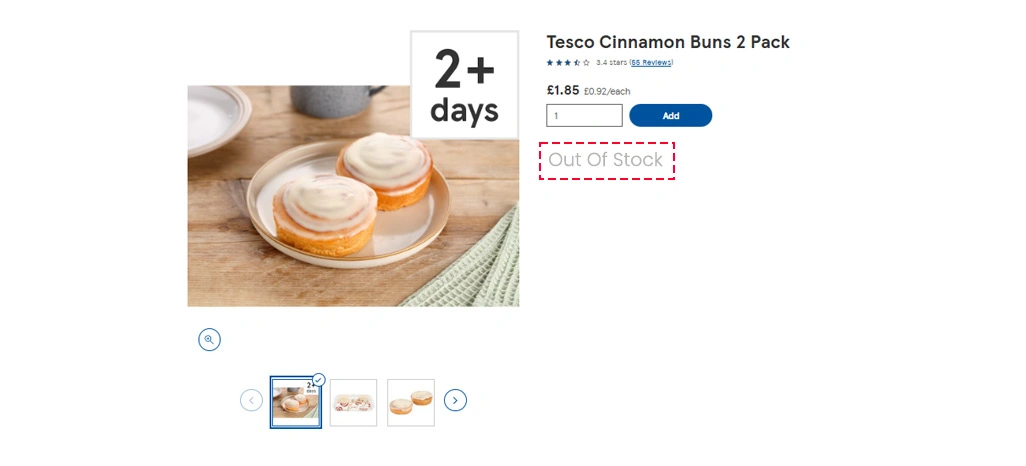
Forecasting accuracy depends heavily on real-time inventory signals. Even the best demand models fail when stock updates are delayed or inconsistent across platforms. This is why Real-Time Shelf Availability Monitoring UK has become a priority for grocery retailers that want to improve replenishment speed and reduce lost promotional sales.
With structured inventory feeds, teams can build Data-Driven Grocery Inventory Management strategies that reduce waste, prevent over-ordering, and ensure high-demand products remain available in the right locations. Industry insights show that retailers using automated availability feeds can cut overstocks by up to 30% while also improving promotional conversion rates by nearly 18%.
Many grocery brands also rely on a Grocery Scraping API when they want broader coverage across marketplaces and delivery platforms, especially when monitoring multiple data sources in one workflow. This supports better store-level planning and ensures replenishment teams have accurate signals before shortages appear.
Forecasting Accuracy Table:
| Planning Factor | Traditional Inventory Updates | Automated Availability Tracking |
|---|---|---|
| Demand prediction quality | Moderate | High |
| Promotion success rate | Inconsistent | Stronger results |
| Restocking speed | Slower cycles | Faster response |
| Inventory waste risk | Higher | Lower |
By improving stock visibility, grocery businesses achieve smoother operations, more reliable forecasting, and stronger customer satisfaction across channels. Retailers adopting Dynamic Stock Updates Retail models are also able to sync inventory insights across warehouse distribution and last-mile delivery planning.
Revenue Protection Through Automated Retail Monitoring
Retail revenue loss is often caused by missing shelf availability, inaccurate online listings, and failed order fulfillment. Many UK grocery businesses now treat UK Grocery Stock Availability Data as a key signal for preventing these issues and improving customer retention. When inventory intelligence is monitored continuously, retailers can reduce abandoned carts and improve shopper trust.
A major advantage of automated stock monitoring is that retailers can connect inventory insights with API-Based Inventory Tracking for Grocery Retailers, ensuring consistency between warehouses, stores, and online platforms. This improves delivery success rates and reduces refund costs linked to unavailable products. Retail benchmarks indicate that real-time monitoring can improve customer satisfaction scores by 20% and reduce cancellation-related losses by nearly 25%.
Retailers also combine availability signals with Price Monitoring to optimize promotions and avoid discounting products that are already running low. This prevents campaign waste and ensures marketing budgets are spent only where inventory can support demand.
Revenue Protection Table:
| Risk Area | Typical Retail Impact | Automated Monitoring Benefit |
|---|---|---|
| Frequent out-of-stock items | Lost repeat buyers | Faster replenishment response |
| Incorrect online availability | Customer dissatisfaction | Higher order success |
| Promo-stock mismatch | Marketing losses | Better campaign alignment |
| Fulfillment errors | Refund costs | Stronger inventory accuracy |
With structured availability intelligence, grocery retailers reduce operational blind spots and protect revenue across both online and physical store networks.
How Retail Scrape Can Help You?
Retail teams often struggle with fragmented stock signals across stores, delivery apps, and eCommerce listings. We support data pipelines that integrate UK Grocery APIs for Real-Time Stock Tracking into dashboards, forecasting models, and replenishment systems.
What we provides:
- Store-level availability intelligence built for scale.
- Automated tracking systems that reduce manual monitoring.
- Fast integration-ready output formats for analytics teams.
- Real-time alerts for high-priority product shortages.
- Custom workflows for promotions and replenishment planning.
- Consistent structured datasets for reporting and forecasting.
With our services, brands can build reliable retail inventory monitoring ecosystems that align with Dynamic Stock Updates Retail and improve supply chain response speed.
Conclusion
Retail competition in the UK grocery sector is no longer just about pricing or delivery speed, it is about accurate stock visibility. That is why UK Grocery APIs for Real-Time Stock Tracking has become a standard approach for retailers who want consistent shelf performance and reliable online fulfillment.
At the same time, grocery decision-makers are now prioritizing smarter automation models supported by Real-Time Shelf Availability Monitoring UK to reduce stock uncertainty across locations. Contact Retail Scrape today to create a custom grocery stock monitoring system built for UK retail growth.