
How to Track Out-Of-Stock Products in Quick Commerce Apps Using AI With 95% Stock Visibility Growth?
Introduction
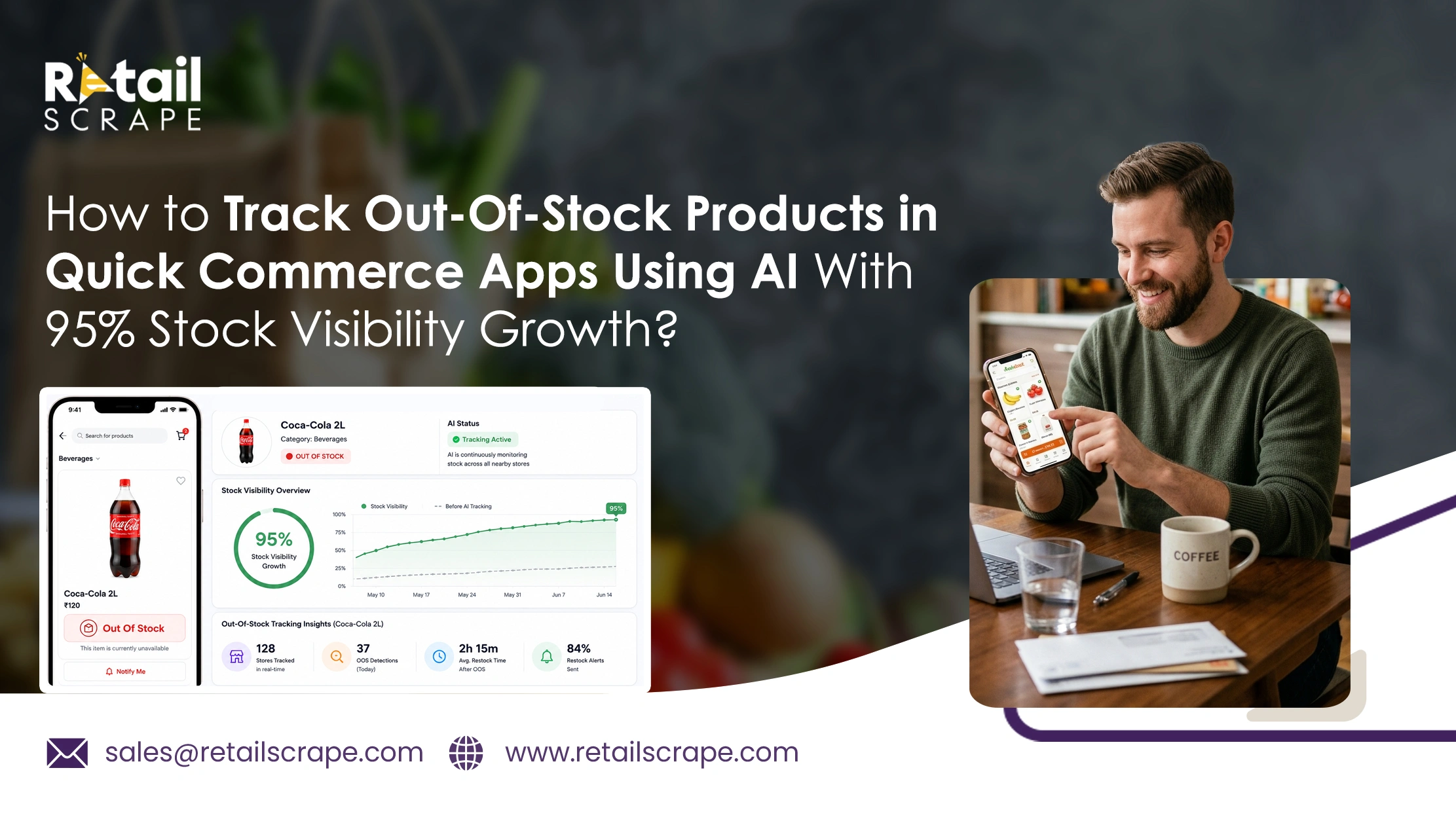
Quick commerce platforms are transforming the retail ecosystem by delivering products within minutes, but inventory inconsistency continues to create serious operational challenges. Customers often abandon purchases when products appear unavailable, leading to revenue loss, lower retention, and reduced trust in grocery delivery platforms. Businesses increasingly Track Out-Of-Stock Products in Quick Commerce Apps Using AI to reduce inventory gaps and maintain consistent digital shelf visibility.
Modern inventory ecosystems depend on automated monitoring systems that continuously collect product availability information from grocery apps such as Blinkit, Zepto, and Swiggy Instamart. This proactive approach helps operations teams optimize replenishment strategies, improve fulfillment speed, and avoid sudden product unavailability during peak demand periods.
Many leading retailers also integrate Quick Commerce Data Scraping for Stock Tracking into their operational workflows to capture regional inventory behavior, competitor stock patterns, and changing customer demand trends. As quick commerce competition intensifies, intelligent stock monitoring has become essential for sustaining customer satisfaction and maximizing product availability across digital grocery ecosystems.
Strengthening Real-Time Visibility Across Grocery Platforms
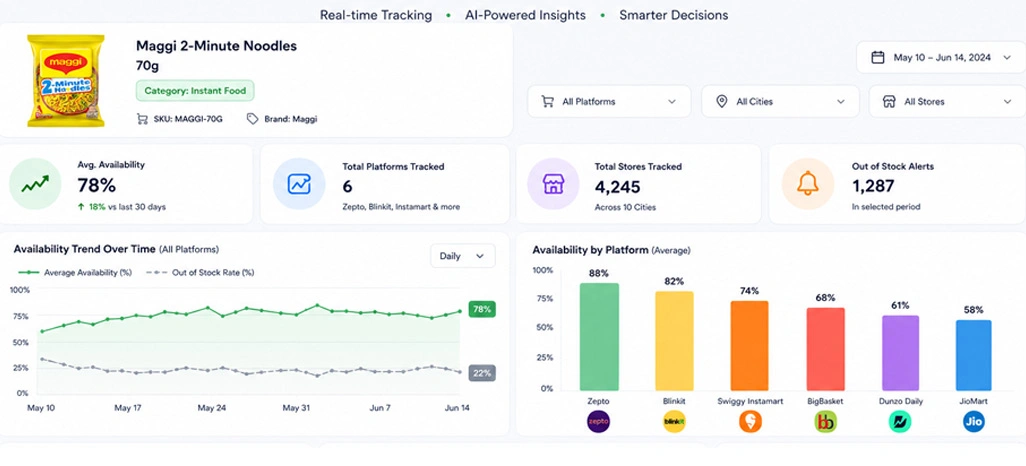
Inventory inconsistency has become one of the biggest operational barriers for quick commerce businesses managing multiple delivery platforms simultaneously. Products frequently appear unavailable in one location while remaining active in another, creating customer dissatisfaction and revenue loss. According to industry reports, nearly 35% of grocery app users abandon their purchases when they encounter unavailable products during checkout.
AI-driven systems help reduce this issue by continuously analyzing stock behavior, product movement, and demand fluctuations across multiple cities and delivery platforms. Businesses are increasingly adopting Tracking Product Availability Trends Across Quick Commerce Platforms to evaluate stock fluctuations, monitor replenishment cycles, and improve regional inventory consistency.
| Inventory Challenge | AI-Based Response | Business Outcome |
|---|---|---|
| Regional stock inconsistency | Automated monitoring systems | Better inventory visibility |
| Sudden demand fluctuations | Predictive inventory forecasting | Faster replenishment planning |
| Customer cart abandonment | Real-time stock alerts | Improved conversion rates |
| Delayed reporting systems | Continuous AI analytics | Increased operational efficiency |
| Excess inventory accumulation | AI-driven demand balancing | Reduced storage costs |
| Inaccurate stock forecasting | Machine learning inventory models | Improved supply chain planning |
Retailers also rely on AI-Based Out-Of-Stock Tracking for Quick Commerce to identify fast-moving products that require immediate replenishment. These AI-driven solutions minimize manual reporting delays and improve coordination between warehouses, suppliers, and quick commerce delivery platforms.
Additionally, Quick Commerce Inventory Tracking With AI supports smarter inventory allocation strategies by identifying high-demand regions and improving warehouse efficiency. Businesses can maintain consistent customer experiences while reducing operational disruptions caused by inventory shortages across rapidly expanding quick commerce ecosystems.
Improving Inventory Accuracy Through Predictive Intelligence
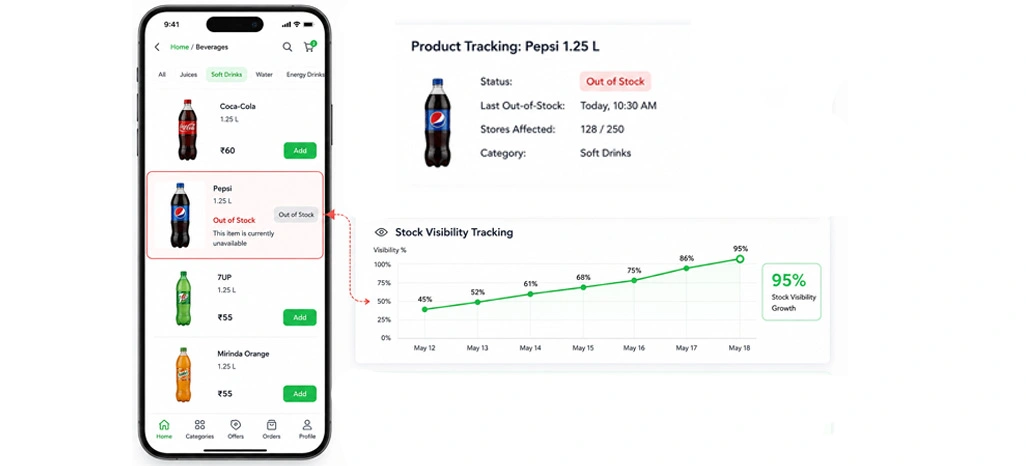
Quick commerce businesses operate in highly dynamic environments where stock availability changes rapidly throughout the day. Maintaining accurate inventory visibility is critical for reducing customer dissatisfaction and preventing revenue loss caused by unavailable products. AI continuously analyzes product demand, replenishment timing, and stock fluctuations to identify potential shortages before they impact customer experience.
Many retailers now integrate Out-Of-Stock Detection Using AI and Web Scraping into their operational workflows to monitor inventory changes across grocery delivery platforms in real time. This approach enables businesses to identify sudden stock depletion patterns and improve forecasting precision during peak purchasing periods.
| Monitoring Problem | Intelligent AI Solution | Operational Advantage |
|---|---|---|
| Inventory depletion delays | Automated stock alerts | Faster replenishment response |
| Demand forecasting gaps | Predictive inventory analysis | Reduced stock disruption |
| Multi-city stock imbalance | Real-time inventory tracking | Better supply allocation |
| Slow manual reporting | Continuous automated monitoring | Improved visibility |
| Inconsistent warehouse updates | Centralized AI synchronization | Enhanced inventory accuracy |
| Unexpected product shortages | Machine learning demand alerts | Improved operational continuity |
Retailers increasingly depend on Out-Of-Stock Monitoring for Grocery Delivery Apps to maintain stronger digital shelf consistency and evaluate recurring inventory shortages across different regions. AI-powered systems help brands understand which products experience the highest stock volatility and how availability patterns influence customer purchasing behavior.
Businesses also use AI Inventory Analytics for Blinkit Zepto Instamart to compare inventory performance across multiple quick commerce platforms while identifying location-specific stock challenges. These insights support smarter operational planning, warehouse optimization, and improved demand forecasting accuracy.
Building Smarter Decision-Making Through Inventory Insights
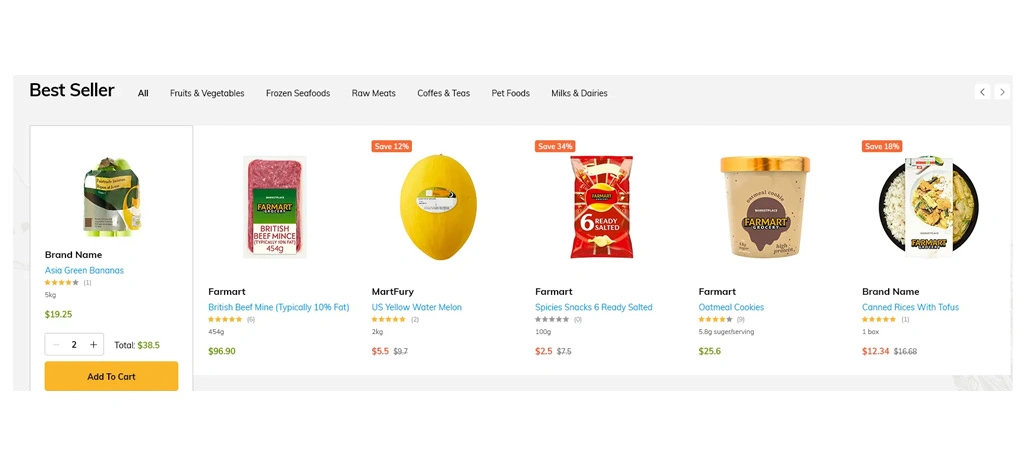
The rapid growth of quick commerce has significantly increased the complexity of inventory management for retailers and FMCG companies. Businesses must continuously monitor product availability, competitor stock behavior, and customer demand fluctuations to maintain consistent digital shelf visibility across grocery delivery platforms.
AI-powered inventory intelligence systems help businesses transform large-scale stock data into actionable operational insights. Many organizations now rely on a centralized Quick Commerce Dataset to analyze stock movement patterns, monitor regional inventory behavior, and identify recurring supply disruptions. AI technologies convert raw inventory information into predictive insights that support better decision-making across retail operations.
| Strategic Objective | AI Capability | Business Benefit |
|---|---|---|
| Monitor high-demand products | Real-time analytics | Better inventory planning |
| Analyze competitor availability | Automated data collection | Improved market visibility |
| Predict replenishment timing | AI forecasting systems | Reduced stock interruptions |
| Optimize warehouse allocation | Demand-based analysis | Faster order fulfillment |
| Track seasonal inventory demand | Machine learning trend detection | Improved stock preparedness |
| Reduce excess inventory risks | Automated inventory balancing | Lower operational costs |
Retailers also benefit from AI-Based Inventory Intelligence for Grocery Delivery Apps by improving operational coordination between suppliers, warehouses, and delivery networks. AI-powered systems help brands maintain stronger product availability while reducing inefficiencies caused by delayed inventory reporting.
Additionally, many businesses are evaluating How FMCG Brands Use AI to Monitor Stock Availability to strengthen inventory visibility and improve long-term operational planning across rapidly evolving quick commerce ecosystems. AI-driven monitoring supports scalable inventory management while helping businesses maintain better customer satisfaction and stronger retail performance in competitive digital grocery markets.
How Retail Scrape Can Help You?
Modern quick commerce businesses require accurate inventory visibility to maintain customer satisfaction and operational efficiency. We provide advanced monitoring solutions that help brands Track Out-Of-Stock Products in Quick Commerce Apps Using AI while improving inventory transparency across multiple grocery delivery platforms.
Our approach includes:
- Monitor product availability across multiple delivery platforms
- Detect sudden inventory disruptions in real time
- Analyze regional stock performance trends efficiently
- Improve replenishment planning using predictive insights
- Compare competitor inventory visibility automatically
- Reduce revenue loss caused by unavailable products
Retail Scrape also delivers advanced Quick Commerce Data Intelligence that enables brands to optimize digital shelf visibility, improve forecasting accuracy, and maintain consistent product availability in rapidly changing quick commerce ecosystems.
Conclusion
Quick commerce businesses increasingly depend on AI-powered systems to maintain accurate inventory visibility and improve operational responsiveness. Brands that Track Out-Of-Stock Products in Quick Commerce Apps Using AI can reduce stock-related revenue loss, improve customer retention, and create more efficient replenishment strategies across grocery delivery platforms.
Retailers investing in intelligent inventory monitoring solutions also benefit from How FMCG Brands Use AI to Monitor Stock Availability through better forecasting accuracy and stronger digital shelf performance. Contact Retail Scrape today to transform your quick commerce inventory monitoring strategy with scalable AI-driven solutions built for modern retail growth.