
What Can Taobao Product Data API Reveal About Pricing, Products and Seller Data for Better Insights?
Introduction
Taobao contains extensive information across product listings, prices, sellers, ratings, SKUs, availability, and marketplace activity. For businesses analyzing this environment, structured data can provide a clearer view of changing market conditions. A reliable Taobao Product Data API helps organize these records into usable datasets for business intelligence and research.
Pricing information can reveal differences between sellers, product variations, promotional movements, and market positioning. Product-level records can also support assortment analysis, while seller information helps businesses evaluate marketplace participation. Combining these data points creates a stronger foundation for Taobao Seller Data API based analysis and competitive evaluation.
When these records are collected consistently, businesses can compare historical and current marketplace conditions more efficiently. Structured datasets reduce manual research and make important information easier to integrate with analytical systems. This supports Taobao Product Data for Market Research by providing organized inputs for pricing studies, competitor benchmarking, product evaluation, and broader ecommerce planning.
Shifting Price Signals Reveal Competitive Movements Across Taobao Marketplace Sellers
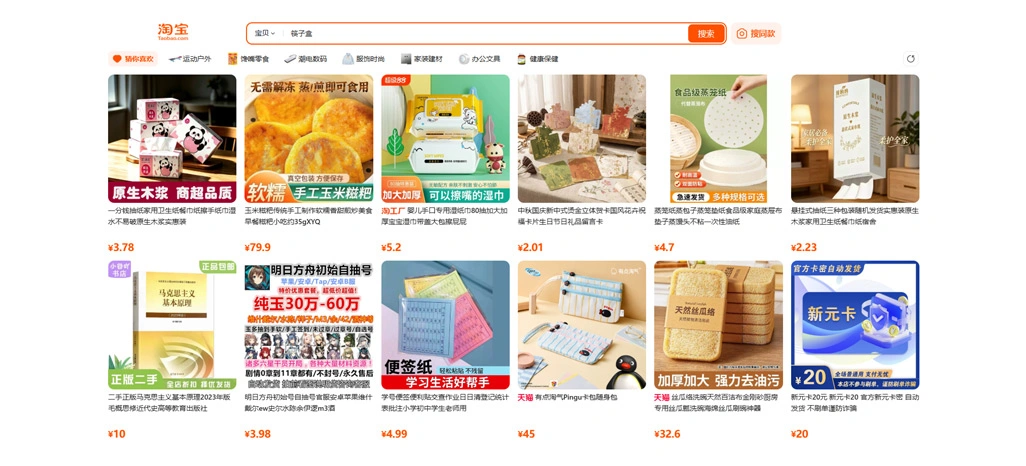
Taobao pricing can vary significantly across sellers, product categories, promotional periods, and individual product variations. Examining these movements helps businesses understand how marketplace participants position similar products and respond to changing commercial conditions. Historical comparisons can reveal whether a price movement is temporary or part of a broader trend. With Taobao Pricing Data for Competitor Analysis integrated into regular research workflows, analysts can evaluate seller-level pricing differences and identify notable changes without depending entirely on manual marketplace checks.
Price-related records become more meaningful when they are reviewed alongside product availability and seller activity. A sudden reduction may indicate a promotion, while repeated changes across several sellers could indicate broader competitive movement. Organizations can also compare average prices, minimum prices, maximum prices, and discount levels across selected categories. These comparisons provide a clearer basis for evaluating pricing positions and identifying areas requiring further investigation.
Key pricing indicators can include:
- Listed and discounted prices
- Historical price movements
- Seller-level price differences
- Promotional frequency and duration
- Category-level pricing variations
| Pricing Indicator | Example Observation | Business Interpretation |
|---|---|---|
| Average Listed Price | ¥299 | General market position |
| Discounted Price | ¥249 | Promotional movement |
| Price Difference | 9% | Seller variation |
| Monthly Change | 6% | Pricing trend |
A broader view becomes possible when pricing information is connected with marketplace-level product and seller records. Taobao Marketplace Intelligence API can help organize these observations into structured analytical inputs, allowing teams to compare pricing conditions across selected listings and sellers. This supports recurring reporting and makes marketplace monitoring more systematic.
Hidden Product Details Shape Smarter Assortment And Pricing Decisions
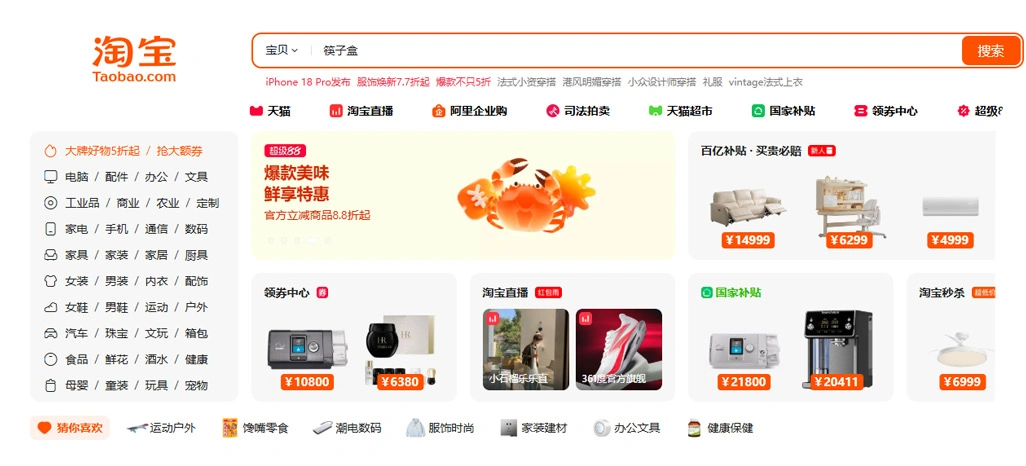
Product information provides important context for understanding why marketplace prices differ. Names, categories, brands, specifications, ratings, reviews, stock indicators, and product variations can all contribute to a clearer assessment of individual listings. When these attributes are evaluated together, businesses can identify assortment differences and understand how products are positioned across comparable marketplace segments. Taobao Product Data for Market Research can therefore support structured evaluations of products, categories, and customer-facing offers.
SKU-level data provides deeper visibility because one product can include multiple variants with different specifications, packaging, or prices. Businesses can compare size, color, configuration, and other attributes to assess variation-level positioning. With Taobao Product Data API for Price Intelligence integrated into the analysis, teams can identify common variants, pricing differences, and assortment gaps more efficiently.
Useful product attributes may include:
- Product names and categories
- Brand and specification information
- Ratings and review counts
- SKU variations and configurations
- Availability and listing status
| Product Attribute | Example Value | Analytical Purpose |
|---|---|---|
| Category | Electronics | Category segmentation |
| Brand | Example Brand | Brand comparison |
| Rating | 4.7/5 | Customer perception |
| Variants | 18 | Assortment depth |
Detailed variation-level collection can also improve the accuracy of product comparisons. The Taobao SKU and Product Data API approach allows teams to examine individual product configurations rather than relying solely on broad parent-level information. This can strengthen assortment analysis and help businesses understand how specifications, variants, and pricing interact across marketplace listings.
Emerging Seller Patterns Clarify Competitive Positioning Across Taobao Marketplace
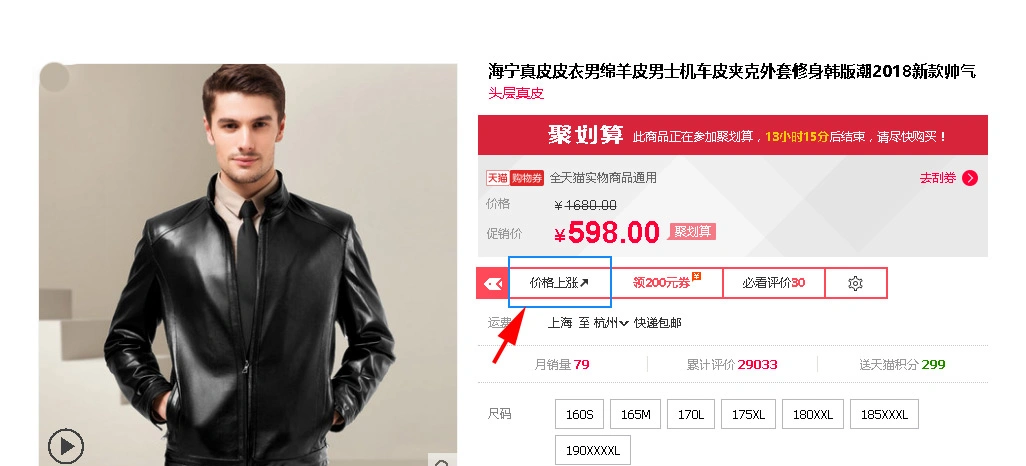
Seller information provides valuable context for interpreting product and pricing movements. Different sellers may offer similar products at varying prices, maintain different ratings, carry different assortment sizes, or show distinct marketplace activity. Reviewing these characteristics together can help businesses understand competitive density and seller positioning. Taobao Seller Data API can support the organization of relevant seller records for recurring comparison and marketplace analysis.
Seller-level analysis helps businesses compare multiple listings within the same category by reviewing seller ratings, product counts, pricing gaps, and inventory signals. With Taobao Product Price Monitoring API integration, teams can also identify broader assortments, unusual pricing patterns, and stronger competitive positions that may require closer analysis.
Important seller indicators may include:
- Seller ratings and review counts
- Number of active listings
- Product assortment breadth
- Pricing differences between sellers
- Listing and availability signals
| Seller Indicator | Example Value | Analytical Relevance |
|---|---|---|
| Active Sellers | 32 | Competition density |
| Average Rating | 4.6/5 | Reputation comparison |
| Listed Products | 1,850 | Assortment scale |
| Price Variance | 12% | Seller differentiation |
Connecting seller information with product-level records creates a more complete view of marketplace behavior. The Taobao Product and Seller Data API can help businesses organize these related records for comparative analysis across categories and listings. For organizations focused on broader ecommerce evaluation, Taobao API for Product and Seller Data can further support structured reporting by bringing relevant marketplace information into established analytical workflows.
How Retail Scrape Can Help You?
We can support businesses that require structured marketplace information for pricing, product, seller, and competitor analysis. A reliable data collection workflow can organize marketplace records into consistent datasets while reducing repetitive manual research. Within this process, a Taobao Product Data API can provide structured access to relevant information for dashboards, reporting systems, and analytical workflows.
Key capabilities can include:
- Automated collection across selected marketplace listings
- Structured extraction of product and pricing attributes
- Seller-level information collection for competitive evaluation
- Scheduled datasets for recurring marketplace analysis
- Data validation to improve consistency across records
- Flexible delivery for analytics, reporting, and business intelligence
A well-planned collection framework can also accommodate different business requirements, including selected product categories, seller groups, geographic markets, update frequencies, and required data fields. This allows analytical teams to work with datasets that align more closely with their reporting objectives.
For businesses requiring wider marketplace coverage, a Taobao Ecommerce Market Intelligence API can support structured data workflows across pricing, products, sellers, and related marketplace indicators. The resulting information can be prepared for dashboards, competitive reports, historical comparisons, and recurring analytical processes, helping teams create a more dependable foundation for ecommerce decision-making.
Conclusion
Taobao marketplace information can provide valuable signals across pricing, product attributes, SKU variations, seller activity, and competitive positioning. When these records are collected and structured consistently, businesses can reduce manual research and create stronger analytical workflows. A Taobao Product Data API can bring relevant marketplace information into organized datasets that support pricing evaluation, assortment analysis, competitor benchmarking, and strategic planning.
Combining structured marketplace records with Taobao Seller Data API for Ecommerce Analytics can provide additional context for recurring reports and seller comparisons. Consistent data collection also makes it easier to evaluate changing marketplace conditions across selected products and categories. Contact Retail Scrape today to build a customized Taobao data collection solution for your ecommerce intelligence needs.