How Can Meesho Product Data Extraction Services Help Track 10K+ Products With API and Web Scraping?
Introduction
Managing thousands of marketplace products manually can create inconsistent records, delayed updates, and unnecessary operational effort. Businesses tracking 10K+ products need structured methods for collecting product names, prices, ratings, reviews, seller information, and availability across changing listings.
With Meesho Product Data Extraction Services, teams can organize large product volumes through automated collection workflows. Combining Meesho Product Data API Extraction with Web Scraping methods can support regular monitoring while reducing repetitive data preparation and improving consistency.
A structured workflow can also turn raw marketplace records into useful commercial information. Product teams can compare price movements, monitor assortment changes, review seller activity, and identify market patterns through Meesho Product Data Intelligence without depending entirely on manual research.
Strategic Foundations for Tracking 10k+ Marketplace Products Efficiently
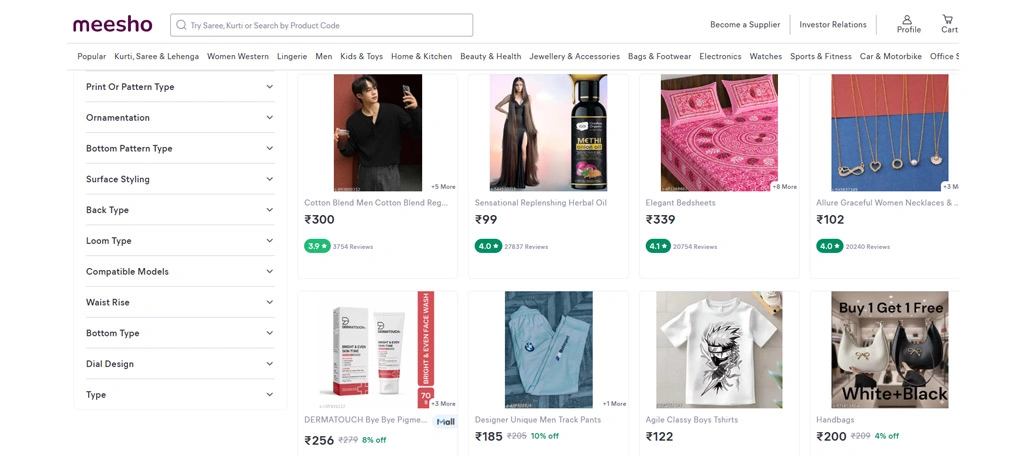
Tracking more than 10K products requires a repeatable collection framework rather than occasional manual checks. Meesho Product Data Web Scraping can support collection across categories, sellers, pricing fields, ratings, reviews, and stock indicators. This makes recurring product monitoring more manageable for research and analytics teams. By combining multiple collection methods, teams can monitor large product groups without repeatedly gathering information by hand.
For businesses managing extensive catalogs, Meesho Ecommerce Data Extraction can organize product names, categories, seller details, ratings, reviews, pricing, and availability into consistent datasets. The collected information can then be cleaned and standardized before entering analytical systems. This approach is particularly useful when teams need to compare thousands of listings using identical data fields and consistent collection rules.
| Tracking Area | Illustrative Volume | Monitoring Focus |
|---|---|---|
| Product Listings | 10,000+ | Listing changes |
| Seller Records | 3,500+ | Seller activity |
| Review Records | 25,000+ | Customer response |
| Availability Records | 9,000+ | Stock changes |
Key workflow considerations include:
- Automated recurring collection
- Consistent field structures
- Duplicate record detection
- Historical data maintenance
- Scheduled validation checks
- Scalable storage architecture
A scalable workflow can also support practical research activities through repeatable processes. Teams can refer to a Meesho Product Catalog Scraping Tutorial when designing field structures, collection schedules, validation procedures, and storage requirements. Instead of treating every product as an individual research task, businesses can establish a centralized framework capable of handling larger volumes as tracking requirements increase.
Precision Insights From Continuous Marketplace Price Movement Monitoring
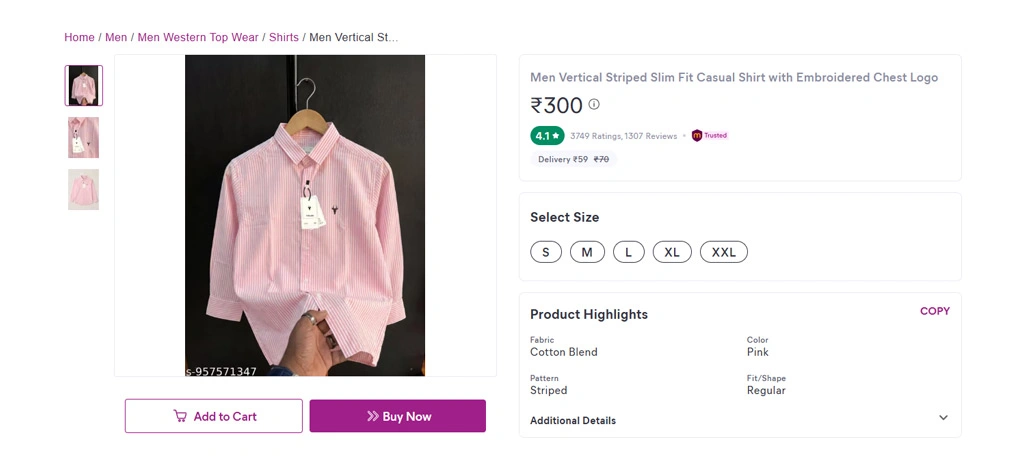
Marketplace prices can change frequently because of seller decisions, promotions, inventory conditions, category trends, and competitive movements. A single price snapshot may therefore provide limited context for understanding actual pricing behavior. Regular collection allows businesses to compare current values with previous records and identify meaningful changes across thousands of products.
A recurring workflow can also support detailed analysis without requiring analysts to repeatedly collect information themselves. Teams can use Meesho Product Price Tracking Data to examine historical movements, identify unusual changes, compare seller pricing, and organize product-level observations. When collected consistently, these records can support trend analysis across categories and different monitoring periods.
| Price Signal | Illustrative Records | Analysis Purpose |
|---|---|---|
| Current Price | 10,000+ | Current positioning |
| Previous Price | 10,000+ | Historical comparison |
| Discount Value | 8,000+ | Promotion analysis |
| Seller Price | 5,000+ | Seller comparison |
Important tracking activities can include:
- Recording current and previous prices
- Monitoring discount movements
- Comparing seller-level pricing
- Maintaining historical snapshots
- Identifying unusual price changes
- Supporting recurring reporting
Using Meesho Product Catalog and Price Data, analysts can structure product-level records around pricing, categories, sellers, discounts, and related attributes. Historical datasets make it easier to identify products experiencing repeated price changes and distinguish temporary promotional movements from longer-term pricing patterns. This can improve the quality of reports prepared for pricing and category teams.
Competitive Signals Revealed Through Structured Marketplace Product Intelligence
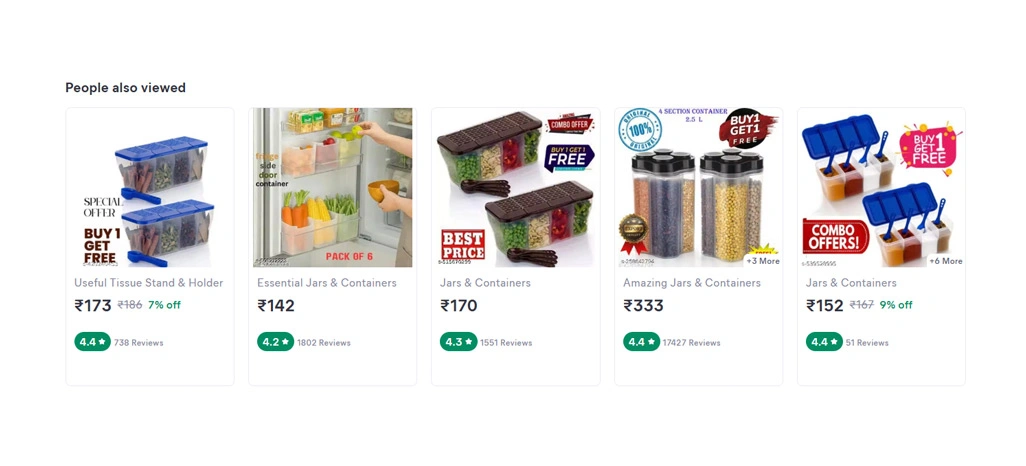
Large marketplace datasets can reveal competitive patterns that may remain difficult to identify through occasional manual research. Businesses can examine differences in seller pricing, product assortment, ratings, reviews, availability, and category coverage. When these signals are collected consistently, analysts can compare multiple marketplace participants using standardized records rather than isolated observations.
A structured dataset can support Meesho Product Data for Competitor Analysis by organizing comparable information across sellers and product groups. Analysts can evaluate pricing positions, assortment breadth, customer ratings, and availability conditions while maintaining historical records for further comparison. This creates a more dependable foundation for understanding how marketplace participants are positioned.
| Competitive Signal | Illustrative Records | Evaluation Focus |
|---|---|---|
| Seller Pricing | 5,000+ | Price positioning |
| Product Assortment | 10,000+ | Category coverage |
| Customer Ratings | 10,000+ | Product perception |
| Availability | 9,000+ | Stock visibility |
A competitive monitoring workflow can focus on:
- Comparing seller-level information
- Reviewing assortment differences
- Monitoring pricing positions
- Evaluating customer responses
- Tracking availability patterns
- Maintaining historical comparisons
Product-level comparisons become more valuable when businesses can connect several signals within the same dataset. Meesho Product Insights Data can help teams interpret relationships between pricing, seller performance, product availability, ratings, and review activity. Such combined information can support category research and help identify areas requiring closer commercial evaluation.
How Retail Scrape Can Help You?
Managing marketplace information at a 10K+ product scale requires dependable collection, validation, organization, and delivery processes. Meesho Product Data Extraction Services can help businesses establish workflows for collecting product details, seller information, pricing, reviews, ratings, and availability according to defined requirements.
Key capabilities can include:
- Automated product data collection
- Scheduled marketplace monitoring
- Structured dataset preparation
- Data validation and cleaning
- Historical record maintenance
- Customized delivery formats
We can configure extraction workflows around selected product categories, fields, collection frequency, and delivery requirements. The resulting datasets can be prepared for analytics systems, reporting dashboards, research applications, or internal databases.
Businesses can also incorporate Meesho E-Commerce Data Intelligence into broader analytical workflows covering pricing, assortment, seller activity, availability, and customer response. Depending on project requirements, collected information can be delivered in structured formats and integrated with existing analytical environments for recurring research and reporting activities.
Conclusion
A scalable marketplace monitoring framework can make large product datasets easier to collect, organize, validate, and analyze. With Meesho Product Data Extraction Services, businesses can establish recurring workflows for product, pricing, seller, review, and availability information while reducing the manual effort required to maintain thousands of records.
Consistently collected datasets can strengthen product research, pricing evaluation, competitive monitoring, and category analysis. Businesses can further use Meesho Product Catalog and Price Data to build structured historical records and support broader marketplace intelligence initiatives as their monitoring requirements expand. Contact Retail Scrape today to build a scalable product data extraction workflow for 10K+ products.