What 42% Savings Opportunities Can Grocery Price Data Scraping Reveal Across Multiple Brands and Stores?
Introduction
Rising food inflation and dynamic retail pricing have made grocery shopping more complex than ever. Prices fluctuate daily across supermarkets, quick commerce platforms, and neighborhood stores. Consumers and retailers alike are looking for smarter ways to track discounts, identify patterns, and reduce overall basket costs. This is where Grocery Price Data Scraping plays a transformative role in modern retail intelligence.
By systematically extracting real-time price data across brands and stores, businesses can uncover hidden savings opportunities that often go unnoticed. From seasonal promotions to mid-week markdowns and brand-specific discount cycles, structured data reveals patterns that manual tracking simply cannot detect. Studies show that price differences for identical grocery baskets can vary by as much as 42% across stores within the same city.
With data-driven insights, retailers can refine pricing strategies, while consumers and aggregators can determine optimal purchase timings. Whether it's comparing private labels against national brands or evaluating weekday versus weekend discounts, actionable intelligence derived from scraping solutions turns raw numbers into meaningful cost advantages.
Understanding Recurring Promotional Cycles Across Weekly Store Timelines
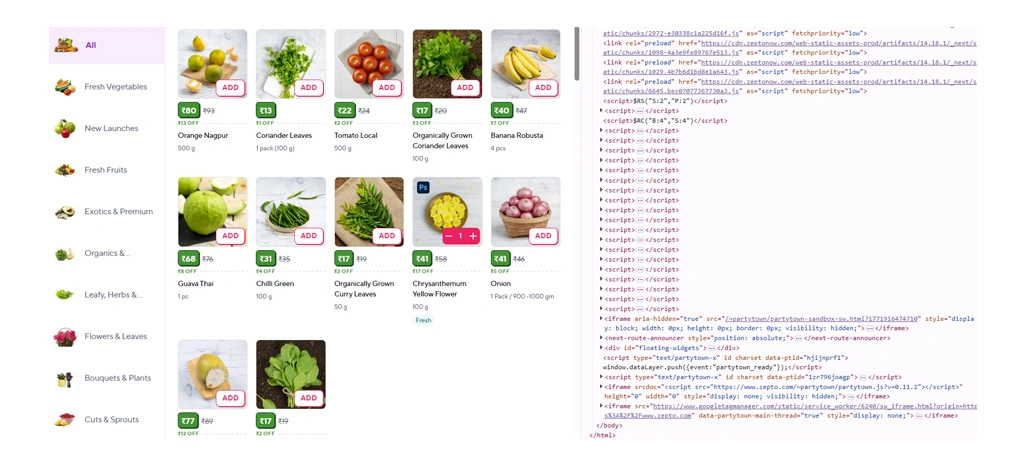
Retailers often struggle to pinpoint recurring promotional cycles hidden within weekly pricing adjustments. Structured extraction tools enable businesses to study store-level discount rotations and category-specific markdown timing with greater clarity. By applying Cheapest Grocery Days Analysis, companies can detect patterns that reveal when baskets consistently reach their lowest value points during the week.
Using a reliable Grocery Web Scraping API, pricing feeds can be captured in structured formats, allowing deeper evaluation of Grocery Pricing Intelligence Through Web Scraping. Instead of relying on surface-level observations, retailers can Identify Cheapest Days to Buy Groceries Using Data, aligning promotional rollouts with verified trends rather than assumptions.
Industry findings indicate that mid-week price drops account for nearly 15–18% savings compared to peak weekend pricing. Stores adjusting promotions based on these insights experience up to 12% better campaign performance.
Sample Weekly Price Variation Table:
| Day | Avg Basket Value ($) | % Difference from Weekly High | Discount Intensity |
|---|---|---|---|
| Monday | 112 | -8% | Medium |
| Tuesday | 108 | -12% | High |
| Wednesday | 105 | -15% | Very High |
| Friday | 118 | -2% | Low |
| Sunday | 120 | 0% | Minimal |
Data-driven scheduling allows retailers to refine promotion timing, adjust inventory allocation, and plan category discounts more strategically. By identifying consistent price troughs and peaks, businesses improve basket value perception while protecting margins. Weekly pattern recognition ultimately reduces guesswork and strengthens long-term pricing stability.
Monitoring Real-Time Fluctuations to Improve Basket Efficiency
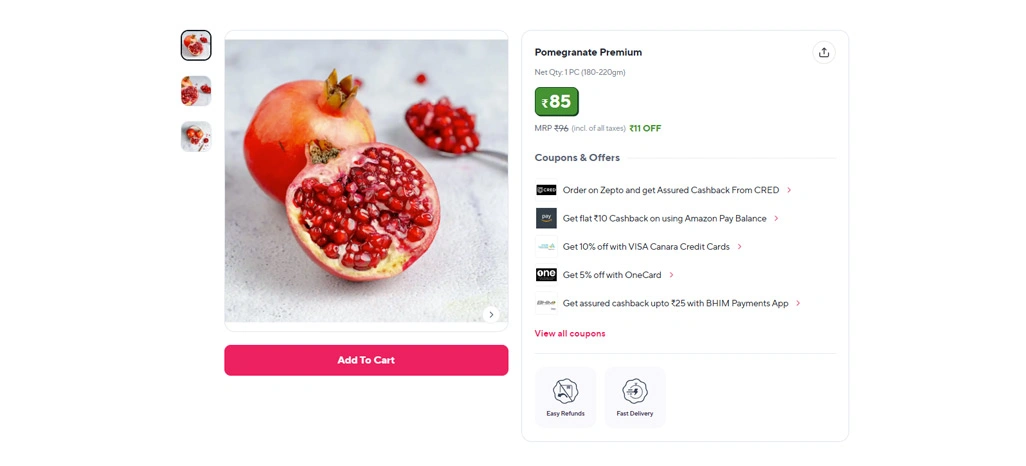
Price volatility across grocery categories often occurs within short intervals due to supply chain adjustments, competitor moves, and seasonal demand. Continuous tracking enables retailers to respond quickly to these fluctuations. Through Weekly Grocery Price Trend Monitoring, organizations gain visibility into day-to-day pricing behavior across multiple locations.
A specialized Grocery Web Scraper collects structured price snapshots at regular intervals, helping teams Monitor Price Drops in Grocery Stores across essential categories such as staples, beverages, and packaged goods. Retailers using this approach report up to 20% faster competitive response times and measurable improvement in pricing consistency.
Moreover, Grocery Cost Optimization Using Data Scraping supports smarter procurement decisions by highlighting recurring discount cycles and competitor markdown triggers. Rather than applying uniform discounts, retailers can selectively adjust prices in high-sensitivity categories.
Sample Price Drop Monitoring Table:
| Product Category | Avg Price Last Week ($) | Current Avg Price ($) | % Drop | Action Recommended |
|---|---|---|---|---|
| Cooking Oil | 14.50 | 13.20 | -9% | Match Competitor |
| Breakfast Cereal | 6.80 | 6.10 | -10% | Promote Bundle |
| Rice (5kg) | 22.00 | 20.50 | -7% | Highlight Offer |
| Frozen Snacks | 9.30 | 8.60 | -8% | Digital Ads Push |
Real-time price tracking reduces revenue leakage, improves demand forecasting, and ensures better alignment between pricing and market conditions. Continuous fluctuation analysis transforms reactive adjustments into proactive, data-supported decisions.
Comparing Brand-Level Variations to Strengthen Competitive Positioning
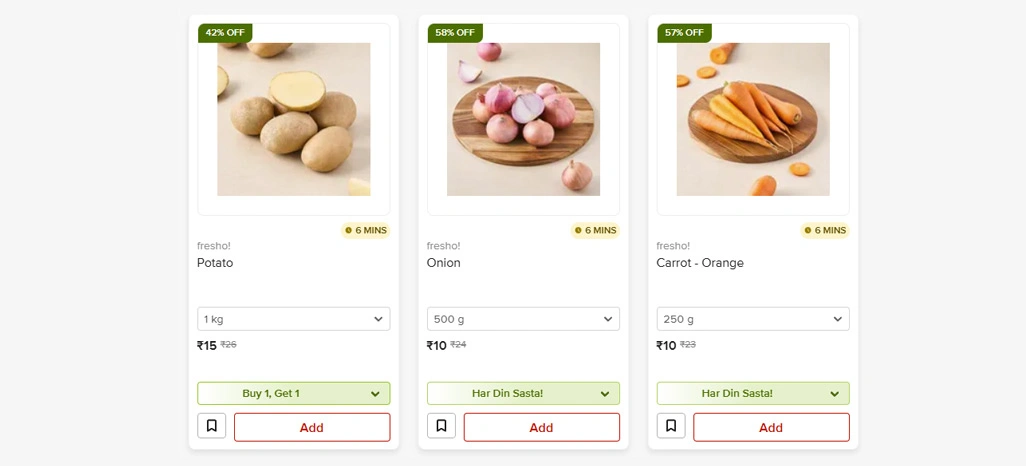
Cross-brand and cross-store price comparisons often reveal substantial basket-level disparities. Evaluating national brands, private labels, and discount segments side by side provides actionable intelligence for assortment planning. With structured analysis, businesses can conduct Grocery Basket Cost Analysis Using Scraped Data to identify cost advantages at category and store levels.
Through Grocery Price Comparison Using Scraping, pricing gaps across retailers become measurable and strategically actionable. Research shows that mixed-category baskets can differ by as much as 30–42% depending on store and brand combinations.
Multi-Brand Basket Comparison Table:
| Brand Type | Store A Basket ($) | Store B Basket ($) | Price Gap (%) |
|---|---|---|---|
| National Brand | 125 | 134 | 7% |
| Private Label | 102 | 108 | 6% |
| Organic Segment | 145 | 158 | 9% |
| Discount Brand | 95 | 99 | 4% |
Comparative insights allow retailers to adjust product placement, optimize promotional depth, and introduce targeted incentives for price-sensitive segments. Structured brand comparison also improves negotiation strategies with suppliers and strengthens category performance.
By systematically evaluating brand-level discrepancies, retailers enhance pricing transparency and customer trust while maximizing savings potential across multi-store environments.
How Retail Scrape Can Help You?
Retail markets demand precision, agility, and intelligence. By integrating Grocery Price Data Scraping into your pricing workflow, businesses can monitor multi-store data streams and uncover hidden opportunities across thousands of SKUs.
We provide advanced data extraction frameworks designed for scale and accuracy:
- Real-time multi-store price collection.
- SKU-level structured data extraction.
- Historical pricing database creation.
- Competitor benchmarking dashboards.
- Promotion and discount pattern tracking.
- Custom reporting and analytics integration.
Our robust Grocery Store Price Monitoring Solutions empower retailers to move beyond manual tracking and adopt predictive pricing strategies. With structured dashboards and performance analytics, businesses can align operations with market realities and make smarter pricing decisions faster.
Conclusion
Retailers operating in competitive grocery markets cannot rely on static pricing models. Implementing Grocery Price Data Scraping enables structured analysis of daily fluctuations, promotional cycles, and store-level price gaps. Strategic pricing intelligence transforms reactive decisions into measurable growth opportunities.
When paired with Cheapest Grocery Days Analysis, businesses can refine timing strategies and improve basket profitability. By combining automated tracking with deep analytics, retailers enhance cost efficiency, strengthen brand competitiveness, and improve customer loyalty. Connect with Retail Scrape today to transform your grocery pricing strategy into a data-driven success engine.
Effortlessly managing intricacies with customized strategies.
Mitigating risks, navigating regulations, and cultivating trust.
Leveraging expertise from our internationally acclaimed team of developers
Reliable guidance and assistance for your business's advancement