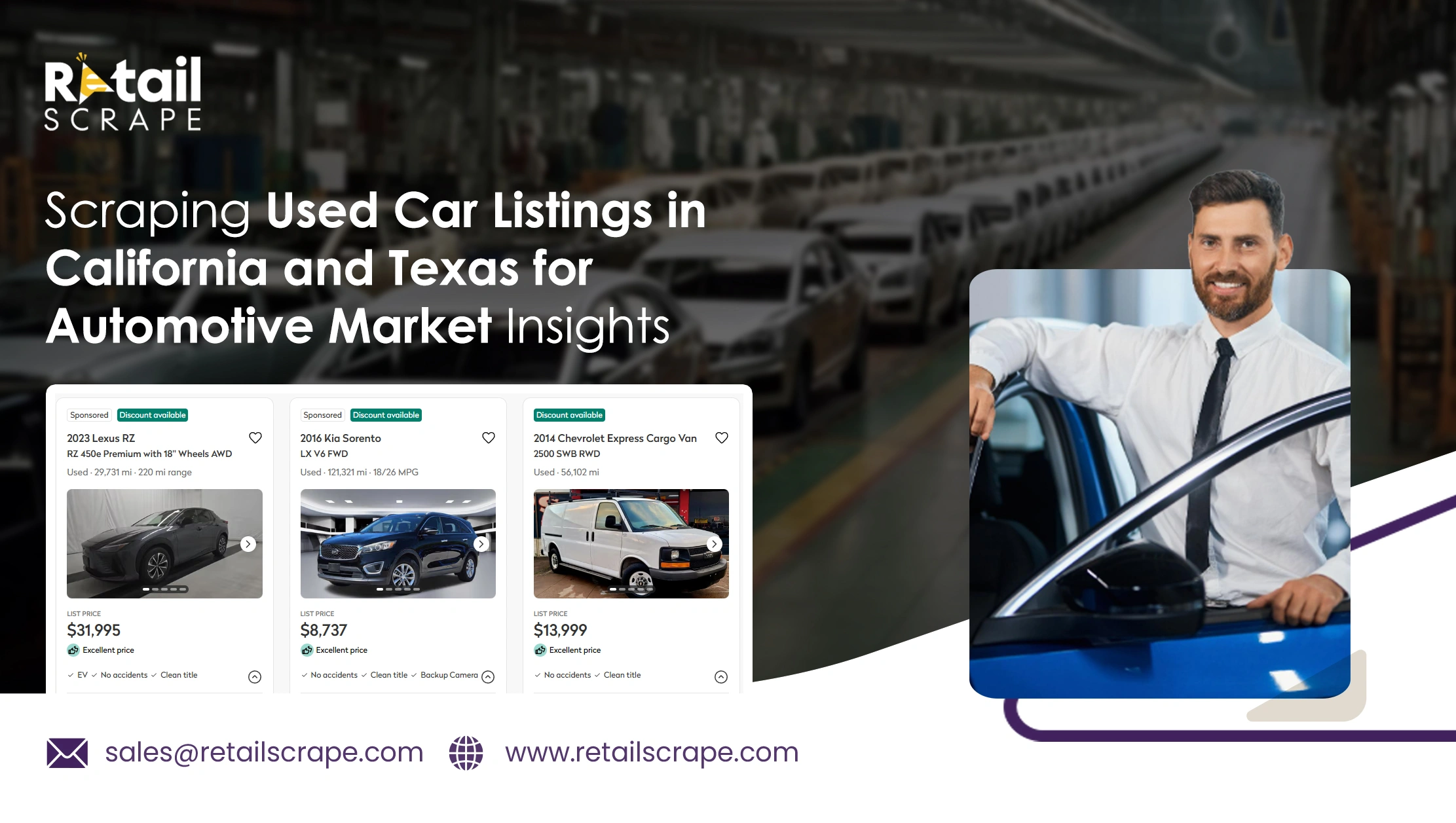
Scraping Used Car Listings in California and Texas for Automotive Market Insights
Introduction
The used car market in the United States is one of the most competitive and fast-moving sectors in the global automotive industry. Among all regions, California and Texas dominate due to their massive populations, diverse demographics, and strong demand for both economy and premium vehicles.
With millions of listings across platforms like CarGurus, Autotrader, and Cars.com, businesses now rely heavily on web scraping to extract real-time data and generate actionable automotive insights.
In this blog, we’ll explore how scraping used car listings in California and Texas helps dealerships, automotive analysts, and data-driven companies make smarter decisions.
Why Focus on California and Texas?
1. Market Size and Diversity
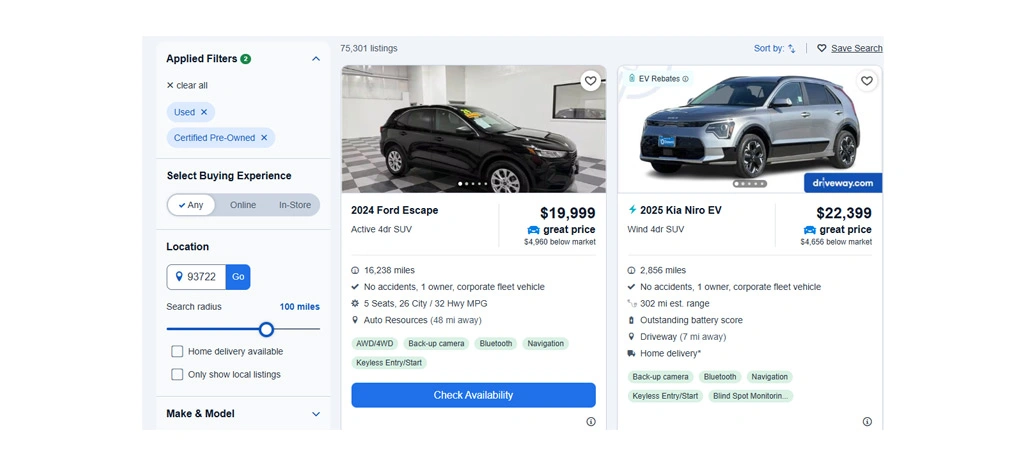
California and Texas are the two largest automobile markets in the U.S.:
- California: High demand for electric vehicles (EVs), hybrids, and luxury cars
- Texas: Strong preference for trucks, SUVs, and fuel-efficient vehicles for long-distance travel
This diversity creates a rich dataset for market analysis.
2. Price Variability
Vehicle prices vary significantly based on:
- Location (urban vs rural)
- Vehicle condition
- Mileage and age
- Dealer competition
Scraping data across both states helps identify regional pricing trends and arbitrage opportunities.
What is Used Car Data Scraping?
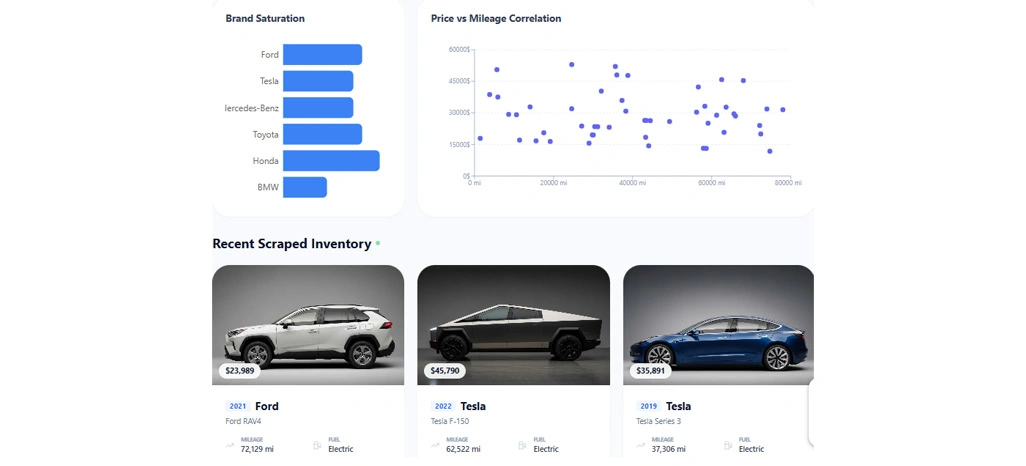
Used car data scraping involves extracting structured data from automotive listing platforms and dealership websites. This includes:
- Vehicle make and model
- Year of manufacture
- Mileage
- Price
- Location
- Dealer information
- Fuel type
- Transmission
- VIN (Vehicle Identification Number)
This data is then cleaned, structured, and analyzed for insights.
Key Platforms for Data Extraction
Here are some major platforms where used car listings are scraped:
- CarGurus
- Autotrader
- Cars.com
- TrueCar
- Edmunds
Each platform offers unique datasets, from dealer pricing to consumer reviews and vehicle history insights.
Data Fields Extracted from Used Car Listings
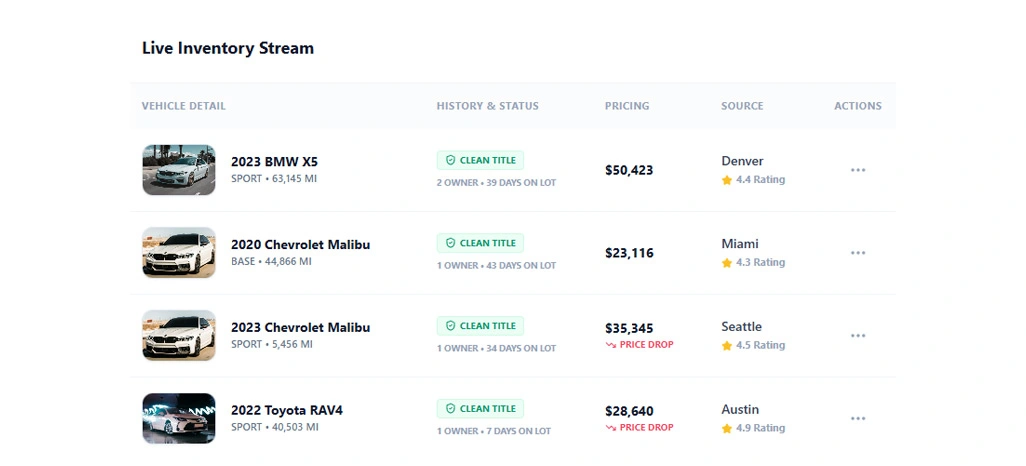
A comprehensive scraping solution captures the following fields:
1. Vehicle Details
- Make (Toyota, Ford, BMW)
- Model (Camry, F-150, X5)
- Year
- Trim level
2. Pricing Data
- Listing price
- Discounted price
- Price history
3. Location Insights
- City and ZIP code
- Dealer vs private seller
- Distance from buyer
4. Vehicle Condition
- Mileage
- Accident history
- Ownership records
5. Dealer Information
- Dealer name
- Ratings and reviews
- Contact details
How Web Scraping Works for Automotive Data
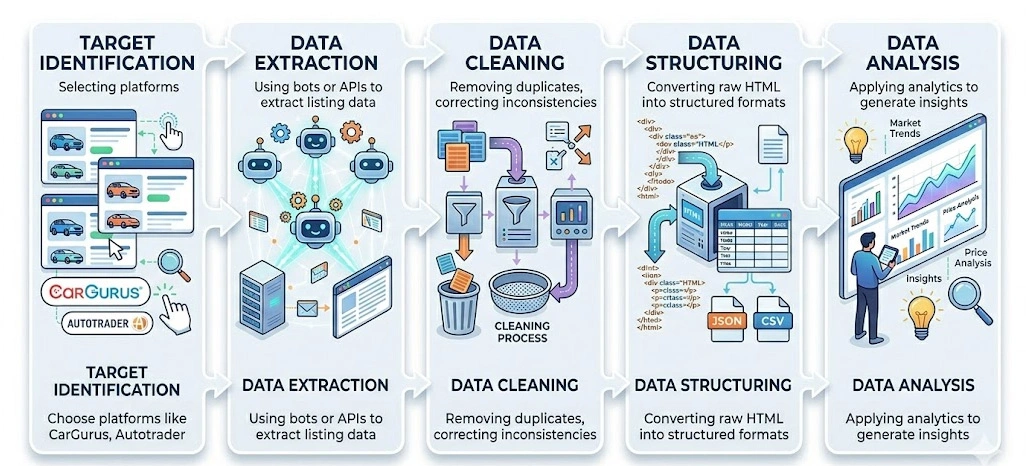
The scraping workflow typically includes:
1. Target Identification
Selecting platforms like CarGurus and Autotrader
2. Data Extraction
Using bots or APIs to extract listing data
3. Data Cleaning
Removing duplicates, correcting inconsistencies
4. Data Structuring
Converting raw HTML into structured formats like JSON or CSV
5. Data Analysis
Applying analytics to generate insights
Automotive Market Insights from Scraped Data
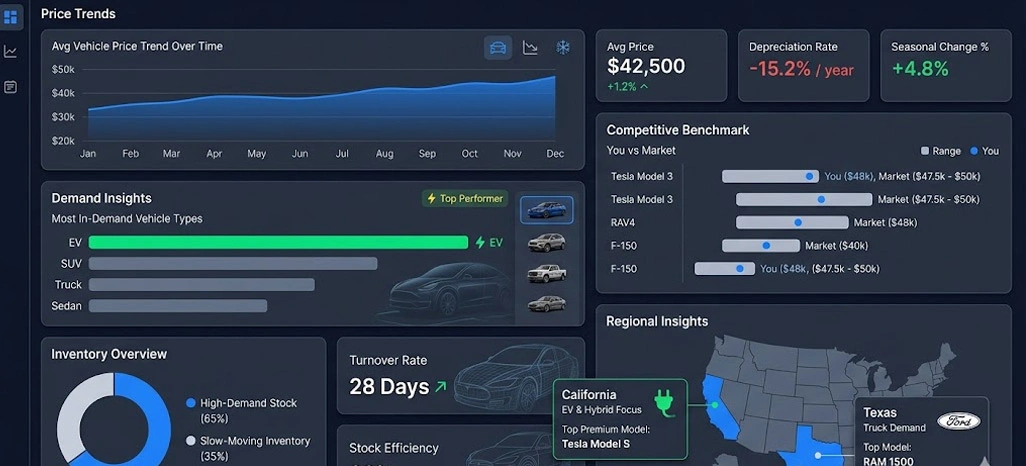
1. Price Trend Analysis
Scraping helps identify:
- Average price of used vehicles by brand and model
- Seasonal price fluctuations
- Depreciation curves
For example:
- Sedans may be cheaper in Texas due to SUV demand
- EVs may command premium pricing in California
2. Demand Forecasting
By analyzing listing frequency and user engagement:
- Identify high-demand vehicles
- Predict future trends
- Optimize inventory
3. Competitive Benchmarking
Dealers can compare:
- Their pricing vs competitors
- Inventory availability
- Promotional strategies
4. Inventory Optimization
Insights help dealerships:
- Stock high-demand vehicles
- Avoid overstocking slow-moving cars
- Improve turnover rates
5. Regional Insights
California Trends:
- Higher EV adoption
- Strong demand for hybrids
- Premium pricing for eco-friendly cars
Texas Trends:
- High demand for trucks (Ford F-150, RAM)
- Preference for fuel-efficient long-distance vehicles
- Competitive pricing in suburban areas
Challenges in Scraping Used Car Listings
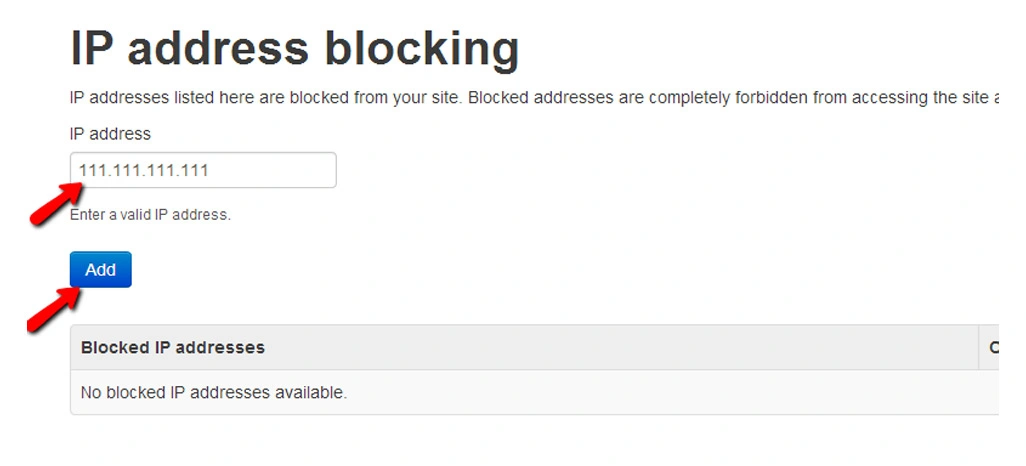
1. Anti-Scraping Mechanisms
Platforms like CarGurus implement:
- CAPTCHA
- IP blocking
- Rate limiting
2. Data Inconsistency
Listings may vary in:
- Format
- Completeness
- Accuracy
3. Legal and Ethical Considerations
Always ensure:
- Compliance with website terms
- Ethical data usage
- Respect for privacy laws
Technologies Used in Automotive Web Scraping
Popular tools and technologies include:
- Python (BeautifulSoup, Scrapy)
- Selenium for dynamic content
- APIs for structured data extraction
- Cloud infrastructure for scalability
Use Cases for Businesses
1. Dealerships
- Optimize pricing strategies
- Monitor competitors
- Improve sales
2. Automotive Startups
- Build price comparison platforms
- Develop car recommendation engines
3. Market Analysts
- Study trends
- Generate reports
- Predict demand
4. Investors
- Identify profitable segments
- Analyze market performance
Building a Used Car Data Pipeline
A scalable pipeline includes:
- Data collection from multiple platforms
- Real-time data processing
- Data storage (cloud databases)
- Visualization dashboards
- API delivery for clients
Future Trends in Automotive Data Scraping
- AI-powered pricing predictions
- Real-time inventory tracking
- Integration with dealership CRMs
- Automated decision-making systems
Conclusion
Scraping used car listings across California and Texas unlocks powerful insights that can transform how automotive businesses operate. From pricing optimization to demand forecasting, data-driven strategies are no longer optional—they are essential.
By leveraging advanced scraping technologies and analytics, businesses can stay ahead of competitors and adapt quickly to market changes.
At this stage, integrating retail intelligence solutions becomes crucial. This is where Retail Scrape plays a key role. By offering scalable, real-time automotive data extraction and analytics, Retail Scrape empowers businesses to turn raw used car listing data into actionable insights, driving smarter decisions and higher profitability in today’s competitive automotive market.
Effortlessly managing intricacies with customized strategies.
Mitigating risks, navigating regulations, and cultivating trust.
Leveraging expertise from our internationally acclaimed team of developers
Reliable guidance and assistance for your business's advancement