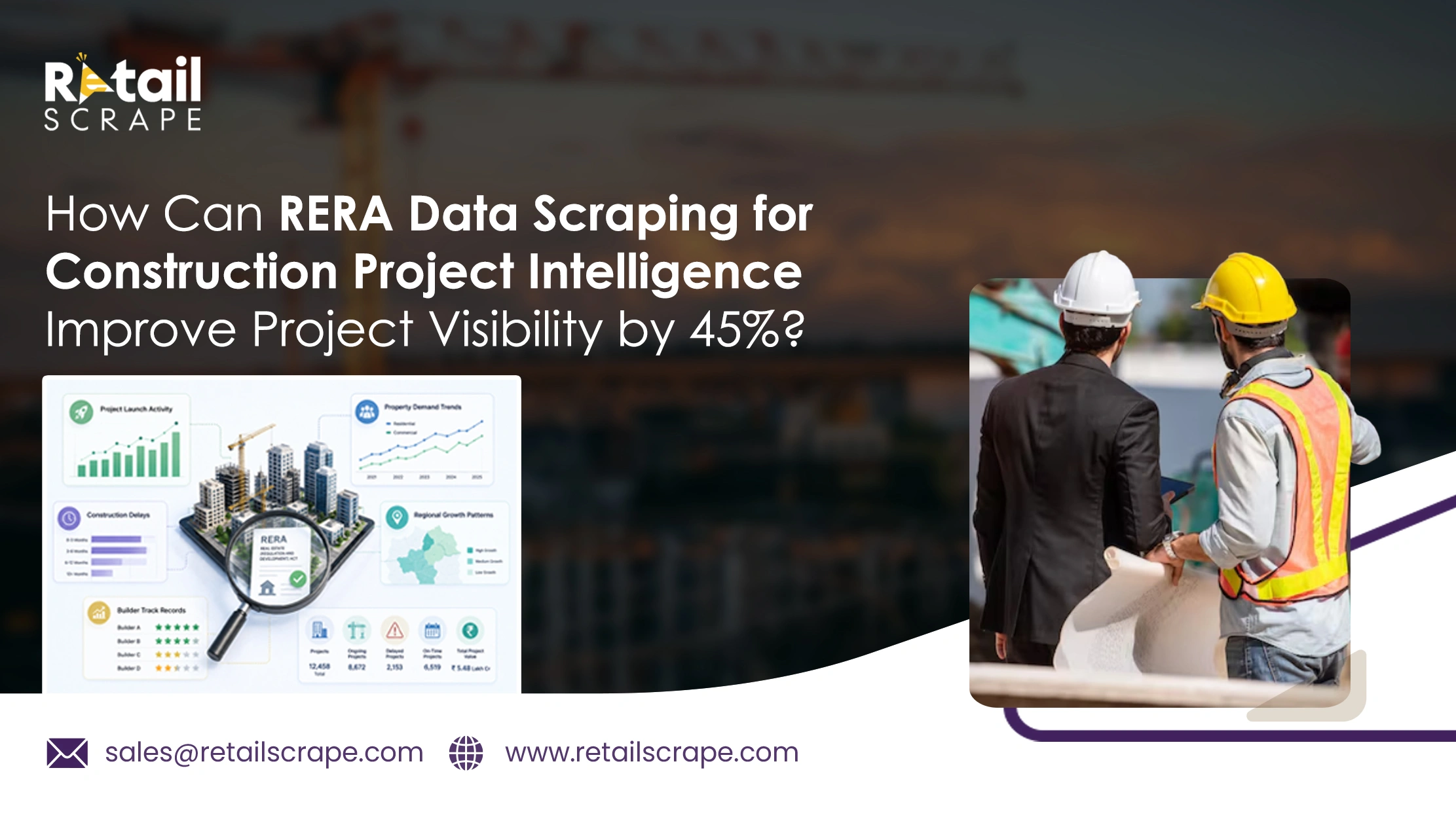
How Can RERA Data Scraping for Construction Project Intelligence Improve Project Visibility by 45%?
Introduction
The real estate and construction sector is becoming increasingly data-driven as developers, investors, consultants, and property analysts seek greater transparency in project performance. Regulatory databases contain valuable information about project registrations, approvals, timelines, developer credentials, and compliance updates. However, manually collecting and organizing this information across multiple state portals can be time-consuming and inefficient.
Modern data collection techniques help businesses transform scattered records into actionable intelligence. By using Web Scraping Services, organizations can continuously monitor project registrations, status updates, developer filings, and market movements from authorized public sources. This enables stakeholders to identify trends, compare project performance, and reduce information gaps that often affect planning and investment decisions.
Recent industry studies indicate that companies utilizing automated project monitoring systems experience up to 45% improvement in project visibility and reporting efficiency. This is where RERA Data Scraping for Construction Project Intelligence becomes a strategic solution. It allows organizations to collect, organize, and analyze project-related information at scale, creating a centralized view of construction activities while supporting informed decisions throughout the project lifecycle.
Building Unified Visibility Across Regulatory Project Records
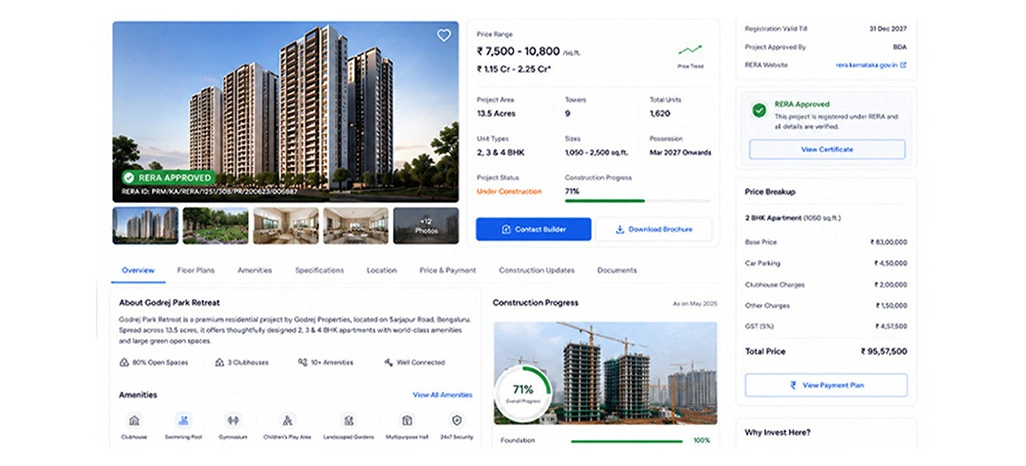
Construction stakeholders often struggle with fragmented information spread across multiple state portals, project disclosures, and regulatory databases. This scattered approach makes it difficult to maintain visibility into ongoing developments, registration statuses, approval timelines, and developer performance.
The implementation of Real Estate Data Scraping enables businesses to collect project-related information from various sources and organize it into a structured repository. This reduces manual effort while improving access to accurate project intelligence. Similarly, RERA Registration Data Extraction helps organizations track project registrations and approval statuses without repeatedly navigating multiple portals.
Businesses can also utilize RERA Data Extraction to consolidate project records and maintain a consistent information flow across departments. A centralized intelligence framework allows project managers, investors, and consultants to identify delays, monitor project milestones, and assess compliance updates with greater efficiency. Automated monitoring improves reporting quality and enhances decision-making by ensuring stakeholders always have access to updated project information.
| Project Challenge | Data Collection Approach | Operational Benefit |
|---|---|---|
| Fragmented records | Centralized aggregation | Improved accessibility |
| Manual verification | Automated monitoring | Reduced workload |
| Limited visibility | Structured dashboards | Better oversight |
| Delayed updates | Continuous collection | Faster reporting |
Organizations can further strengthen visibility through RERA Project Data Scraping, enabling continuous monitoring of project specifications, registration changes, and construction progress. These capabilities support broader Construction Project Intelligence initiatives by creating a comprehensive view of project activity.
Strengthening Market Evaluation Through Analytical Data Integration
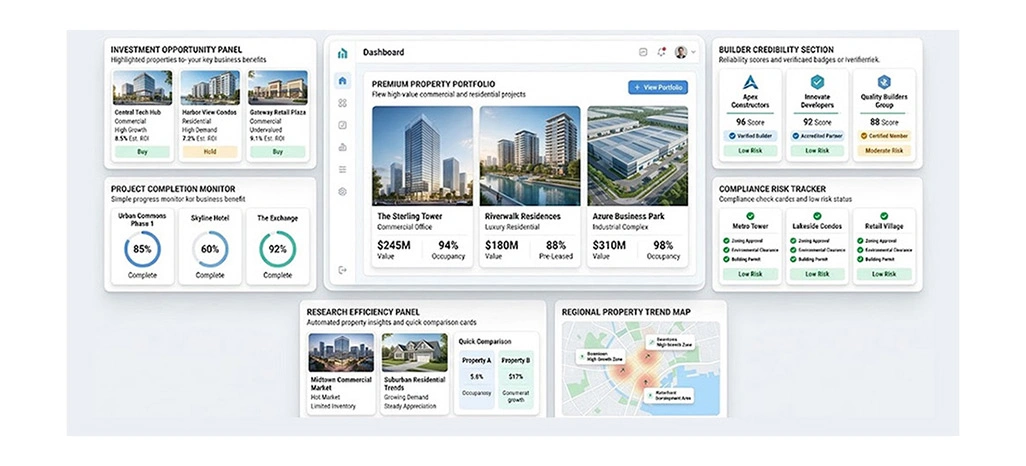
Project intelligence becomes more valuable when combined with broader market analysis. Construction firms, investors, and property consultants increasingly rely on integrated datasets to understand pricing behavior, regional development patterns, and competitive market conditions. Without accurate data, evaluating project viability and identifying growth opportunities becomes considerably more difficult.
Organizations seeking advanced market intelligence frequently implement a Real Estate Data Scraping API to automate the collection and integration of property-related information into analytical systems. This approach allows teams to evaluate both regulatory records and market indicators from a unified perspective. Additionally, RERA Data Scraping Services support the continuous collection of project updates, enabling stakeholders to maintain current and reliable intelligence.
The growing importance of Real Estate Data Intelligence has encouraged organizations to combine project information with pricing trends and regional analytics. This integrated approach provides deeper visibility into market dynamics and helps businesses evaluate development opportunities more accurately.
| Data Type | Analytical Purpose | Business Outcome |
|---|---|---|
| Project records | Validation and tracking | Better project assessment |
| Pricing information | Market evaluation | Improved forecasting |
| Developer activity | Competitive monitoring | Strategic planning |
| Regional trends | Opportunity analysis | Expansion insights |
Companies also utilize Real Estate Price Comparison Scraping to assess property value differences across locations and identify pricing trends. Supporting datasets such as the Property Price Insights Analytics Dataset provide additional visibility into market fluctuations and buyer demand patterns. Meanwhile, the Property Pricing Intelligence API Dataset allows seamless integration of pricing intelligence into business intelligence platforms.
Enhancing Risk Management With Continuous Monitoring Systems
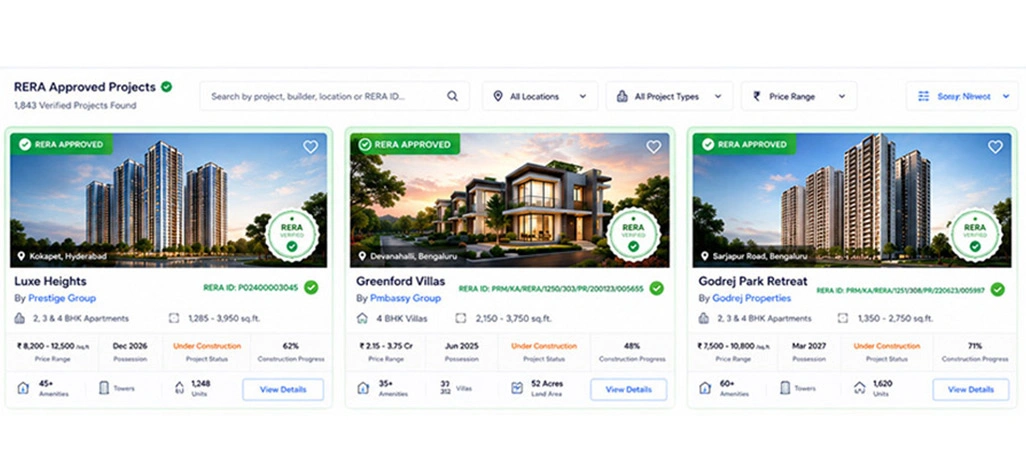
Construction projects are influenced by multiple factors including approvals, compliance requirements, developer activity, market fluctuations, and project timelines. Delays in obtaining accurate information can lead to operational inefficiencies, increased risk exposure, and slower strategic decision-making. As a result, organizations increasingly invest in continuous monitoring systems to maintain visibility throughout the project lifecycle.
An automated Real Estate Scraper allows businesses to collect project updates consistently and efficiently. Rather than relying on periodic manual reviews, organizations can access updated records and monitor project developments as information becomes available. This creates a proactive approach to risk management and project oversight.
Continuous monitoring enables stakeholders to identify potential issues early, evaluate project progress, and maintain awareness of changing market conditions. Access to reliable intelligence helps organizations respond more effectively to emerging risks while improving overall reporting accuracy.
| Risk Category | Monitoring Strategy | Expected Advantage |
|---|---|---|
| Compliance concerns | Regulatory tracking | Reduced exposure |
| Project delays | Progress monitoring | Earlier intervention |
| Market changes | Trend evaluation | Better preparedness |
| Information gaps | Automated updates | Improved accuracy |
Market-focused datasets further strengthen risk assessment capabilities. The Property Price Monitoring Analytics Dataset helps organizations track pricing movements and identify market shifts that may impact project feasibility. In addition, the Real Estate Housing Price Analytics Dataset provides valuable insights into long-term pricing behavior and regional housing trends.
How Retail Scrape Can Help You?
Reliable project intelligence requires access to accurate, structured, and continuously updated information. Through RERA Data Scraping for Construction Project Intelligence, organizations can build scalable intelligence systems that support planning, compliance monitoring, and market evaluation.
Our solutions help businesses:
- Collect project registration information from multiple sources.
- Monitor project status updates efficiently.
- Track developer activities and regulatory disclosures.
- Standardize data for analytics and reporting.
- Support competitive market assessments.
- Enable scalable intelligence collection workflows.
Organizations seeking deeper analytical capabilities can also utilize the Real Estate Housing Price Analytics Dataset to complement project intelligence initiatives and improve market evaluation strategies.
Conclusion
Organizations across the construction ecosystem are increasingly investing in data-driven decision-making frameworks. By implementing RERA Data Scraping for Construction Project Intelligence, stakeholders can improve project visibility, monitor compliance activities, and access reliable information that supports smarter planning and execution.
Combining regulatory records with Real Estate Data Intelligence enables businesses to evaluate market opportunities more effectively while reducing information gaps. Contact Retail Scrape team today to build a customized project intelligence solution tailored to your business goals.
Effortlessly managing intricacies with customized strategies.
Mitigating risks, navigating regulations, and cultivating trust.
Leveraging expertise from our internationally acclaimed team of developers
Reliable guidance and assistance for your business's advancement