.gif)


Why Does Quick Commerce vs Traditional E-Commerce Data Matter for Tracking Instant Grocery Demand?
Introduction
The global online retail landscape is undergoing a massive transformation as consumer preferences shift toward ultra-fast fulfillment. Today, retail brands and market analysts are constantly analyzing how Quick Commerce vs Traditional E-Commerce Data highlights changing customer behaviors across both rapid and standard delivery channels. Understanding these shifts allows businesses to optimize inventory allocation and adjust fulfillment strategies dynamically.
With the rapid emergence of platforms delivering essentials within minutes, monitoring instant supply networks has become essential for survival. Modern brands leverage Quick Commerce Data Scraping to extract live catalog movements, stock availability, and hyper-local demand patterns across various urban zones. Tracking these rapid supply fluctuations ensures platforms maintain optimal shelf space during peak demand hours.
Ultimately, evaluating cross-platform metrics enables market leaders to predict regional spikes, dynamic pricing changes, and localized stockouts. By comparing 10-minute delivery apps against scheduled marketplace delivery timelines, enterprise leaders extract key actionable insights. This continuous analytical approach empowers businesses to maintain strong profit margins and strengthen customer retention in a highly competitive digital market.
Evolution of Rapid Delivery Platforms and Consumer Purchasing Patterns
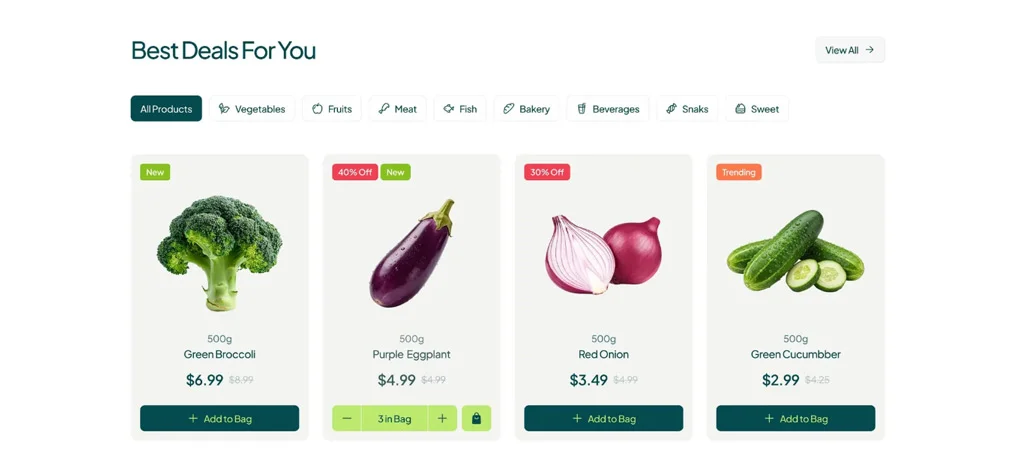
Fulfillment velocity has completely transformed modern retail operations and daily consumer buying habits. Traditional online marketplaces continue to lead in planned purchasing scenarios where product variety and bulk ordering take priority over speed. Meanwhile, rapid distribution channels capture unplanned fill-in orders, emergency grocery needs, and high-convenience spending.
To stay competitive across modern channels, consumer brands rely on accurate Grocery Delivery Price Tracking to monitor real-time localized rates across micro-fulfillment centers. Tracking these price adjustments ensures product catalog listings remain balanced across fast-moving distribution platforms.
Strategic planners continuously analyze localized stock movements to align production and distribution schedules with actual regional demand. Utilizing continuous Instant Grocery Market Intelligence enables retail operations teams to predict stock depletion levels across high-density urban areas.
- Rapid delivery apps focus on ultra-fast fulfillment of small basket sizes within localized urban delivery radiuses.
- Standard e-commerce platforms handle broad catalog varieties, scheduled fulfillment, and regional distribution hub logistics.
- Basket compositions differ significantly, switching between emergency top-up items and planned bulk household purchases.
- Customer retention relies heavily on real-time inventory visibility, localized stock availability, and delivery speed consistency.
| Operations Aspect | Rapid Fulfillment Framework | Standard Fulfillment Framework |
|---|---|---|
| Primary Order Focus | Immediate emergency needs | Planned scheduled purchases |
| Fulfillment Infrastructure | Localized dark store networks | Centralized distribution hubs |
| Product Selection Range | High-velocity essentials | Complete extended catalog |
| Replenishment Frequency | Multiple daily restocks | Scheduled weekly shipments |
Analyzing these shifting purchasing habits gives consumer brands valuable clarity into when shoppers transition from standard delivery apps to rapid delivery options. Monitoring high-frequency item sales provides deep context regarding basket sizes, order frequency, and inventory velocity across local supply hubs.
Dynamics of Real Time Pricing Structures and Regional Discount Variations
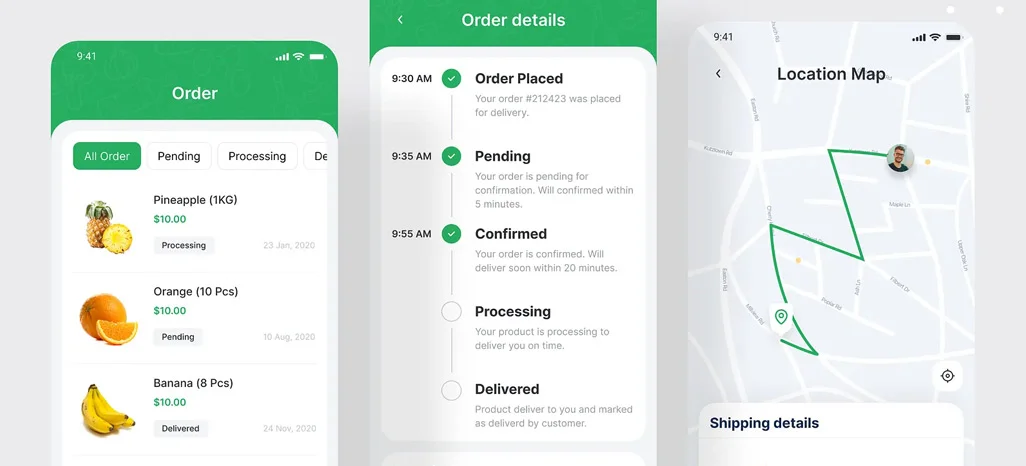
Pricing architecture within rapid fulfillment systems fluctuates rapidly based on live demand spikes, weather events, traffic conditions, and local warehouse availability. Traditional marketplace sellers typically execute planned daily, weekly, or seasonal promotional campaigns across broad geographic areas. Rapid delivery channels utilize localized algorithmic pricing adjustments to manage order density and preserve profit margins during peak hours.
Comparing cross-platform pricing trends requires detailed visibility into local marketplace dynamics. Evaluating pricing variations across digital platforms allows commercial strategy teams to detect competitor margin adjustments immediately.
Brand performance teams conduct comprehensive Quick Commerce Grocery Price Comparison With Ecommerce to pinpoint exact price disparities between rapid and standard distribution models. Identifying these pricing discrepancies helps brands optimize regional promotional spending without hurting overall profitability.
- Algorithmic pricing engines respond dynamically to localized micro-hub inventory levels and live delivery driver availability.
- Standard digital marketplaces rely on structured seasonal campaigns, uniform catalog discounts, and planned promotional events.
- Hyper-local surge pricing structures help balance order processing capacity during extreme weather or localized peak demand hours.
- Margin optimization models require continuous monitoring to maintain brand positioning across standard and rapid selling platforms.
| Price Mechanism | Rapid Channel Model | Standard Channel Model |
|---|---|---|
| Price Adjustment Pace | Hourly dynamic updates | Daily or weekly updates |
| Discount Application | Hyper-local neighborhood level | Regional or nationwide level |
| Surge Fee Mechanics | Active during demand peaks | Fixed shipping tier rates |
| Promotional Duration | Flash micro-window offers | Extended multi-day sales |
Executing a systematic Quick Commerce vs Ecommerce Pricing and Discount Analysis provides vital strategic visibility into competitor discounting mechanics and dynamic pricing surcharges. Maintaining high visibility over pricing variations ensures products remain competitively positioned while safeguarding bottom-line revenue across all retail channels.
Advanced Analytical Frameworks for Demand Forecasting and Catalog Optimization
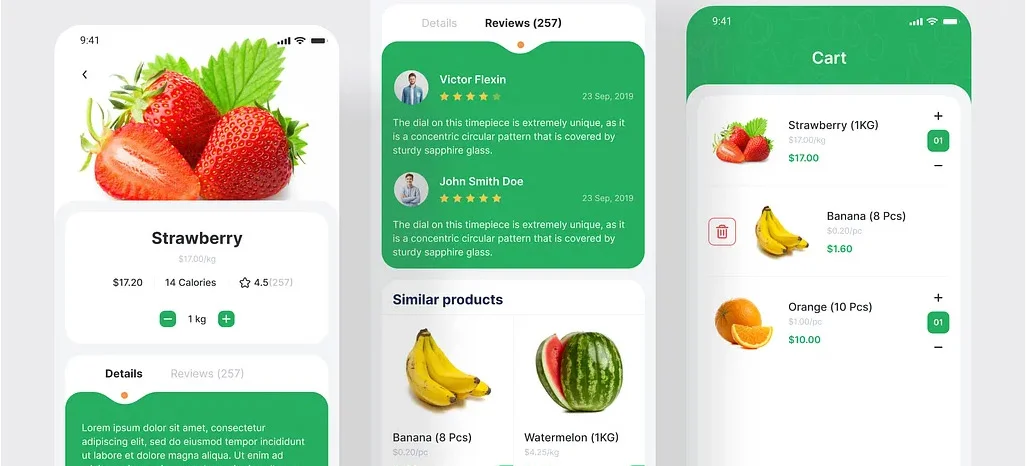
Accurate predictive demand modeling depends heavily on continuously aggregating operational metrics across every active distribution channel. Rapid delivery dark stores operate within restricted physical footprints, making inventory stockouts and excess storage costs equally damaging to operational profitability. Continuous data streams grant supply chain directors instant visibility into item velocity across every localized delivery node.
Integration teams integrate high-speed data pipelines to maintain accurate catalog alignment across multiple sales channels seamlessly. Automated catalog data ingestion eliminates manual tracking delays and streamlines stock replenishment workflows across fast-moving product lines.
Commercial teams routinely Scrape Instant Grocery Demand Data to identify emerging localized demand patterns across individual ZIP codes. Leveraging this comprehensive Quick Commerce Data Intelligence equips logistics leaders to optimize buffer stock levels, eliminate localized inventory shortages, and streamline restock schedules efficiently.
- Automated inventory tracking feeds provide continuous visibility into micro-hub stock levels and item depletion rates.
- Direct system integrations enable instantaneous synchronization of catalog metadata, pricing changes, and stock availability updates.
- Granular geographic demand tracking identifies emerging consumer trends at the specific neighborhood and city zone levels.
- Predictive replenishment algorithms utilize real-time velocity metrics to reduce out-of-stock occurrences during peak shopping windows.
| Data Metric | Analytics Purpose | Operational Impact |
|---|---|---|
| Live Catalog Feeds | Monitor real-time item status | Prevents listing out-of-stock items |
| ZIP Code Velocity | Map localized neighborhood demand | Optimizes regional inventory allocation |
| Variant Tracking | Analyze SKU packaging preferences | Guides regional product stocking decisions |
| Stockout Frequencies | Identify supply chain bottlenecks | Improves automated reorder schedules |
Enterprise logistics teams regularly utilize a Quick Commerce Product Data API to stream live catalog listings, variant changes, and real-time stock levels directly into central management systems. Connecting these data streams minimizes operational friction and ensures stock availability across high-demand urban centers.
How Retail Scrape Can Help You?
Modern retail landscapes require robust data extraction pipelines to monitor constantly changing marketplace dynamics. Enterprise decision-makers leverage targeted analysis of Quick Commerce vs Traditional E-Commerce Data to gain actionable insights into pricing trends, localized stock levels, and cross-channel product availability.
We provide scalable, enterprise-grade data extraction solutions designed specifically to handle high-frequency web and app scraping needs seamlessly across multiple platforms.
- Custom web and mobile app scrapers built to bypass complex anti-bot systems effortlessly.
- Automated extraction of hyper-local inventory levels across dark stores and regional warehouses.
- Real-time monitoring of SKU availability, prices, discounts, and surge fees across micro-locations.
- Delivery of structured data in JSON, CSV, or direct database feeds according to enterprise specifications.
- Enterprise-level uptime SLA ensures uninterrupted data delivery for critical decision-making.
- Dynamic mapping of competitor product catalogs and cross-platform listing variations.
Businesses rely on advanced E-Commerce Data Intelligence to scale their operational strategies effectively. We empower brands, aggregators, and analytics firms to capture precise market metrics continuously, enabling quick adaptation to modern consumer buying habits.
Conclusion
Instant delivery networks have permanently transformed modern shopping behavior, forcing retail organizations to adapt their market tracking strategies. Capturing high-frequency operational metrics from Quick Commerce vs Traditional E-Commerce Data ensures business executives make well-informed investments across supply chains and promotional campaigns.
Building sustained market leadership requires ongoing investment in automated data pipelines and structured cross-channel analysis. Implementing robust Quick Commerce Market Trends in India frameworks empowers strategy teams to detect early shifts in shopper preferences and optimize pricing models proactively. Partner with Retail Scrape today to upgrade your data intelligence infrastructure and transform market insights into profitable revenue growth.