
How Does Product Availability Scraping for Quick Commerce Boosts 37% Smarter and Faster Stock Decisions?
Introduction
Quick commerce has changed how customers shop, especially in metro cities where instant delivery is no longer a luxury but an expectation. Customers want groceries, snacks, beverages, and daily essentials delivered in minutes, which puts extreme pressure on inventory planning. If a product shows “available” but goes missing at checkout, customers instantly lose trust.
This is where Product Availability Scraping for Quick Commerce becomes a strategic advantage. Instead of relying only on internal store-level inventory systems, businesses can monitor live availability signals directly from quick commerce apps and hyperlocal delivery platforms.
In a market where delivery timelines are shrinking and customer switching costs are almost zero, accurate stock visibility drives higher conversion rates, better supply chain allocation, and stronger customer satisfaction. With the right data pipeline, brands and retailers can convert product availability trends into measurable revenue growth.
Eliminating Visibility Gaps Across Multiple Stores
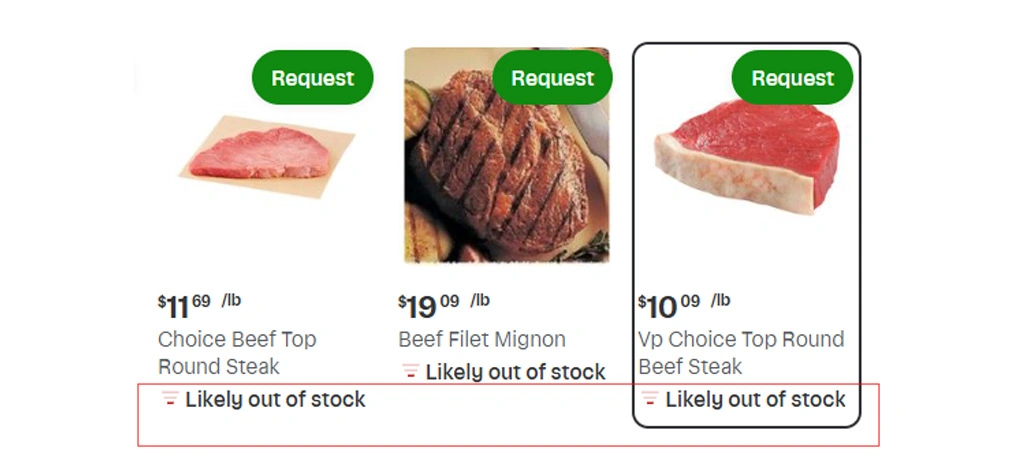
Quick commerce businesses often face a serious operational challenge: inventory systems may show products in stock, but customers see unavailable listings inside delivery apps. To solve this, brands are increasingly adopting Real-Time Stock Monitoring for Quick Commerce to ensure availability accuracy across every fulfillment zone and micro-warehouse.
Brands that improved availability visibility reported faster replenishment decisions and achieved up to 37% improvement in stock response timing. This improvement is possible when companies understand How to Track Real-Time Product Stock Online using live data signals from quick commerce platforms.
Retail teams also rely on Quick Commerce Inventory Monitoring to evaluate store-wise availability patterns and identify which dark stores repeatedly fail to maintain high-demand SKUs. When stock trends are tracked continuously, planners can prioritize high-velocity products, reduce distribution delays, and align supply chain movements with real-time customer demand.
Common Availability Issues and Practical Fixes:
| Inventory Challenge | Business Impact | Practical Resolution |
|---|---|---|
| Stock appears available but fails at checkout | High cart abandonment | Live availability verification |
| Inconsistent store-level stock reporting | Poor customer trust | Multi-store performance tracking |
| Sudden demand spikes during peak hours | Repeated stockouts | Demand-based replenishment signals |
| Slow restocking decisions | Lost sales volume | Automated inventory alerts |
| Low visibility for high-selling SKUs | Reduced conversion rates | Priority SKU availability mapping |
This process highlights Why Product Availability Scraping Is Important for Quick Commerce, as it ensures inventory planning is based on what customers truly experience rather than outdated internal reporting.
Preventing Revenue Loss from Stockout Patterns
Stockouts in quick commerce rarely happen gradually. They often appear suddenly, especially during peak ordering hours, weekend surges, or flash-sale campaigns. This is why many retailers focus on Detect Out-Of-Stock Products Using Web Scraping to identify missing products the moment they disappear from listings.
Research indicates that frequent out-of-stock experiences can reduce repeat purchases by 25% in essential grocery categories. With structured monitoring, brands can Monitor Out-Of-Stock Products in Hyperlocal Delivery Apps and pinpoint which items are consistently unavailable, which zones experience repeated disruptions, and which fulfillment hubs need immediate restocking support.
Some delivery zones remain stable while others face repeated product unavailability due to uneven distribution or delayed restocking. This is where Location-Based Stock Monitoring becomes critical, as it allows planners to compare availability across zones and reallocate supply more effectively.
Stockout Events and Their Business Impact:
| Stockout Scenario | Customer Reaction | Revenue Risk | Corrective Action |
|---|---|---|---|
| Essentials unavailable repeatedly | Reduced trust in platform | High churn probability | Buffer stock planning |
| High-demand SKU missing in peak hours | Customers switch brands | Lost category share | Instant restock alerts |
| Promo item out of stock | Poor campaign performance | Wasted marketing spend | Promo readiness validation |
| Zone-specific stock gaps | Uneven delivery experience | Local revenue decline | Zone-level supply balancing |
| Same SKU stockouts every week | Negative customer feedback | Brand image damage | Supplier reliability review |
These insights help brands take proactive steps before sales drop becomes permanent, improving customer retention and operational consistency.
Strengthening Positioning Through Availability Comparisons
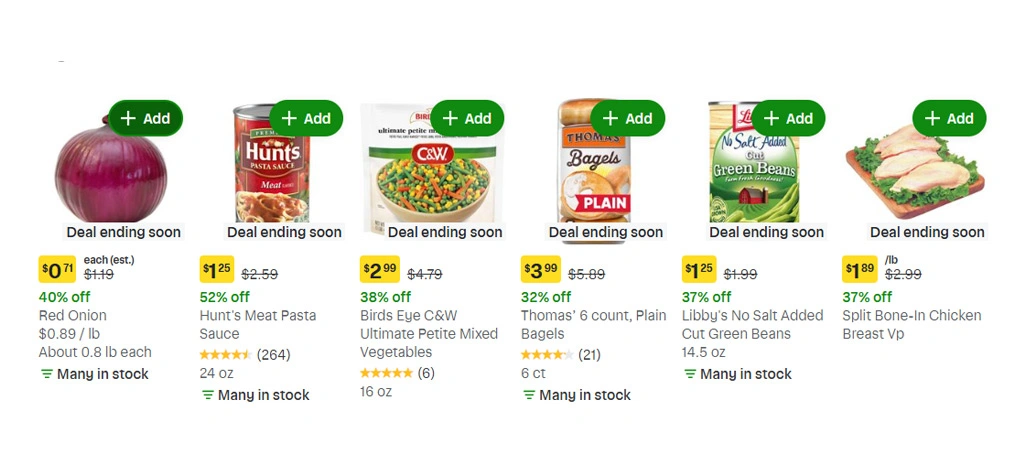
In quick commerce, customers rarely stay loyal to one platform. If a competitor consistently keeps key SKUs available, shoppers will switch instantly. Businesses increasingly use Competitive Stock Availability Benchmarking to evaluate whether they are outperforming rivals in product presence across zones and categories.
Industry reports show that brands with stronger availability performance can improve sales volume by 18% to 24%, even without aggressive discounts. Using Automated Competitor Stock Tracking, brands can monitor competitor listings, identify which products remain visible more often, and measure which platforms dominate certain delivery zones.
Availability performance is rarely uniform across cities. One app may dominate in one metro location while another performs better in a different region. This approach also supports faster planning cycles because brands can detect competitor advantages early and respond through smarter restocking priorities, better warehouse coordination, and improved fulfillment readiness.
Competitor Availability Metrics That Matter:
| Benchmark Metric | What It Tracks | Strategic Benefit |
|---|---|---|
| In-stock percentage | Availability consistency | Higher conversion rates |
| Out-of-stock frequency | Stock reliability | Reduced lost sales |
| Zone-based availability | Local performance gaps | Smarter supply allocation |
| Category availability share | Competitor category strength | Better category planning |
| Peak-hour stock presence | Demand readiness | Higher order completion |
By consistently comparing stock performance, businesses can improve customer satisfaction and reduce missed revenue opportunities caused by avoidable availability gaps.
How Retail Scrape Can Help You?
Many quick commerce brands struggle with stock inconsistency because inventory reports often fail to reflect what customers actually see on delivery apps. When availability shifts happen rapidly, Product Availability Scraping for Quick Commerce helps businesses respond faster and reduce revenue loss.
What we deliver for availability intelligence:
- Live SKU availability tracking across multiple platforms.
- Zone-wise and city-wise availability comparison reports.
- Automated stockout alerts for priority products.
- Dark store performance visibility and stock pattern insights.
- Competitor presence tracking for key categories.
- API-ready data feeds for BI dashboards and analytics tools.
With these solutions, teams can strengthen planning accuracy and minimize operational blind spots. Businesses also benefit from smarter reporting workflows by implementing How to Track Real-Time Product Stock Online as a reliable operational process.
Conclusion
Quick commerce growth depends on one critical factor: customers must find what they want instantly. By building a strong intelligence pipeline through Product Availability Scraping for Quick Commerce, brands can predict stock gaps early, prioritize high-demand SKUs, and improve order completion rates across multiple delivery zones.
Businesses that continuously track availability patterns can reduce lost sales and improve platform performance by applying Quick Commerce Inventory Monitoring as a strategic layer of planning. Connect with Retail Scrape today to build a scalable product availability intelligence system that supports faster stock decisions and stronger customer retention.