
How Does MakeMyTrip Data Scraping API for Travel Prices Track 1M+ Routes and Real-Time Availability?
Introduction
In today’s hyper-competitive travel ecosystem, price volatility and availability changes occur within minutes, making manual monitoring nearly impossible at scale. Travel brands, OTAs, and analytics firms now rely on automated intelligence systems that capture fare fluctuations, route-level pricing, and inventory shifts across millions of listings.
This is where MakeMyTrip Data Scraping API for Travel Prices becomes a strategic asset for modern travel analytics. By enabling automated extraction of live fares, seat availability, hotel inventory, and booking conditions, enterprises gain continuous visibility into market movements. Advanced platforms now process over one million routes daily, capturing dynamic changes across domestic and international travel corridors.
By integrating MakeMyTrip Price Monitoring Using Web Scraping API, organizations can shift from reactive decision-making to proactive optimization. Real-time datasets reveal peak pricing windows, low-availability alerts, and sudden fare drops that directly influence conversion strategies. As travel demand rebounds globally, access to accurate and scalable price intelligence has become essential for competitive positioning, revenue forecasting, and customer-centric pricing models.
Managing Rapid Fare Changes Across Routes
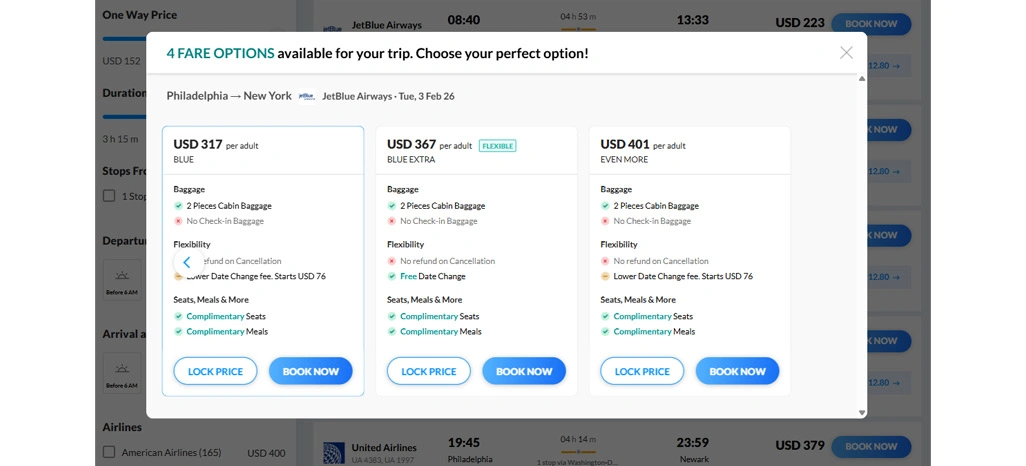
Airfare volatility is one of the biggest operational challenges for travel platforms and aggregators. Prices fluctuate continuously due to demand surges, seat inventory levels, departure proximity, and airline revenue strategies. When these changes occur across thousands of origin–destination pairs, manual monitoring becomes ineffective.
Using Travel Price Comparison Using Scraped Data, organizations can systematically evaluate fare differences across airlines, travel classes, and departure times. This allows pricing teams to identify underpriced routes, monitor sudden surges, and detect anomalies caused by flash sales or demand spikes. Analysis of large-scale datasets shows that popular routes can experience fare variations of 15–25% within a single day, making near-real-time visibility essential.
Beyond comparison, historical fare data supports forecasting models that estimate optimal booking windows. Businesses can anticipate price jumps around holidays, weekends, or weather disruptions and adjust promotions accordingly. Continuous data capture also strengthens customer-facing platforms by ensuring displayed prices remain accurate and competitive.
| Metric Observed | Data Pattern Identified | Strategic Outcome |
|---|---|---|
| Fare update cycle | 15–30 minute intervals | Faster repricing |
| Route coverage scale | Millions of combinations | Full visibility |
| Airline variance | Up to 22% difference | Competitive analysis |
| Departure proximity impact | Sharp rise within 72 hours | Revenue planning |
This structured approach turns volatile fare movements into predictable intelligence, enabling smarter and faster pricing decisions.
Tracking Inventory Shifts Across Travel Platforms
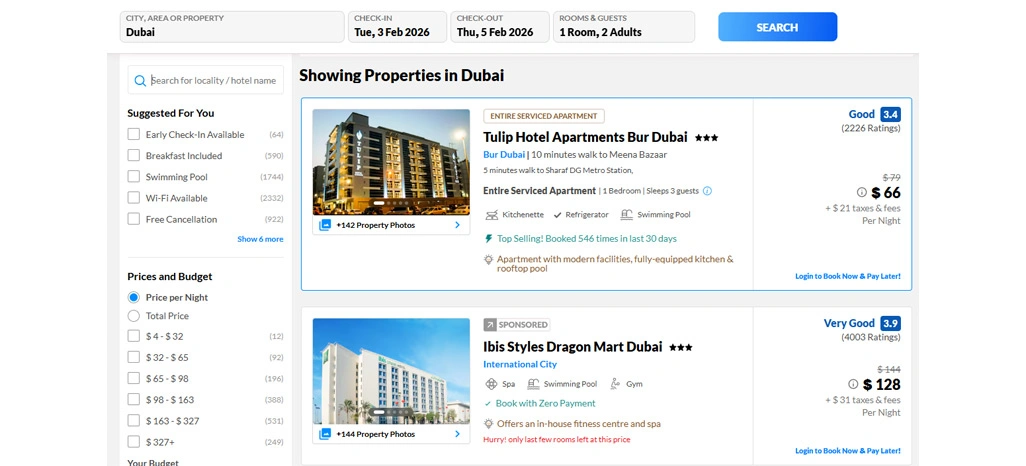
Availability data plays a critical role in shaping traveler decisions and pricing behavior. Seats and rooms can disappear within minutes, often triggering automated fare increases. Monitoring these shifts at scale allows businesses to understand how scarcity impacts pricing and customer demand. Automated extraction ensures inventory signals are captured consistently without delay.
Through MakeMyTrip Travel Price & Availability Scraping, businesses can track changes in seat counts, room inventory, and booking status across locations and dates. When paired with OTA Price Monitoring Using Web Scraping, analysts can correlate availability drops with price increases, revealing how supply constraints drive revenue algorithms.
This approach is especially valuable for analyzing MakeMyTrip Hotel Availability Data, where occupancy patterns vary sharply by city, season, and event calendar. Identifying compression periods enables better yield management and promotional timing. Availability trends also expose mismatches, such as destinations with high demand but stable inventory, highlighting opportunities for targeted campaigns.
| Availability Signal | Observed Behavior | Business Application |
|---|---|---|
| Seat count decline | Triggers fare rise | Dynamic pricing |
| Hotel room compression | Weekend spikes | Yield optimization |
| Event-driven demand | Sudden sell-outs | Campaign planning |
| Last-minute gaps | Unsold inventory | Tactical offers |
By structuring availability insights into alerts and dashboards, travel businesses reduce booking failures while improving responsiveness to real-time market conditions.
Turning Raw Listings Into Actionable Insights

Raw travel listings become truly valuable when they are transformed into intelligence that supports long-term planning. Structured datasets allow organizations to move beyond reactive decisions and toward predictive strategies that anticipate market behavior. This transformation relies on consistent extraction, normalization, and analysis of large-scale travel data.
Using Track Flight and Hotel Availability Using MakeMyTrip Data, businesses gain visibility into route performance, destination demand, and accommodation preferences. These insights help determine which markets are expanding, which routes underperform, and where partnerships should be strengthened. Over time, patterns emerge that guide network expansion and regional marketing investments.
Advanced analytics also enable Travel Price Intelligence Using MakeMyTrip Scraping, where historical pricing trends are combined with live signals to forecast future fare movements. This supports more accurate budgeting, commission strategies, and customer advisories. Instead of reacting to market changes, businesses can plan ahead with confidence.
| Intelligence Layer | Output Generated | Strategic Value |
|---|---|---|
| Historical pricing | Seasonal trends | Budget forecasting |
| Live data signals | Instant alerts | Faster decisions |
| Competitor positioning | Fare benchmarks | Market alignment |
| Demand analysis | City-wise insights | Expansion planning |
When enriched and analyzed consistently, travel data evolves into a strategic asset that strengthens competitive positioning and decision accuracy across the organization.
How Retail Scrape Can Help You?
Building scalable travel intelligence requires more than basic extraction—it demands precision, automation, and reliability. The MakeMyTrip Data Scraping API for Travel Prices enables seamless collection of structured fare and availability data while maintaining consistency across millions of records.
What we provide:
- Automated large-scale data collection.
- Real-time update frequency controls.
- Structured datasets ready for analytics.
- Scalable infrastructure for peak demand.
- Custom delivery formats and integrations.
- Quality checks for data consistency.
By combining advanced scraping architecture with domain expertise, we also support long-term insights using MakeMyTrip Travel Datasets for Market Analysis, empowering travel brands to make confident, data-driven decisions.
Conclusion
In an industry driven by constant change, the MakeMyTrip Data Scraping API for Travel Prices offers a dependable foundation for tracking fare movements and inventory shifts with unmatched precision. When travel data is captured in real time and analyzed systematically, businesses gain clarity across routes, seasons, and demand cycles that manual monitoring cannot match.
As competition intensifies, insights derived from MakeMyTrip Data Scraping for Ota Analytics become essential for smarter pricing, better availability planning, and stronger customer trust. Partner with Retail Scrape today to transform raw travel listings into intelligence that drives measurable growth.