


How Grocery Price Scraping by Postcode Monitoring Tracks 18% Price Fluctuations Across Supermarkets?
Introduction
Retail grocery pricing is no longer uniform across cities, states, or even neighborhoods. Supermarkets adjust rates based on demand clusters, supply chain shifts, store competition, and regional purchasing power. Recent market studies reveal that grocery prices fluctuate by nearly 18% between nearby postal codes, even within the same city.
This variation makes hyperlocal pricing intelligence essential for brands, retailers, and analytics teams. Grocery Price Scraping by Postcode Monitoring has emerged as a strategic approach to identifying these price differences at scale. By collecting structured data from supermarket websites and apps at specific postcode levels, businesses can compare item-level prices, discounts, stock availability, and promotional trends in real time.
This structured process creates Dynamic Grocery Pricing Insights by Postcode, helping decision-makers optimize margins while staying competitive in each locality. Whether tracking dairy, staples, beverages, or fresh produce, postcode-based monitoring helps identify micro-market opportunities and pricing gaps. The result is improved demand forecasting, accurate price positioning, and smarter retail intelligence across multiple supermarket chains.
Understanding Neighborhood-Level Pricing Gaps Across Retail Stores
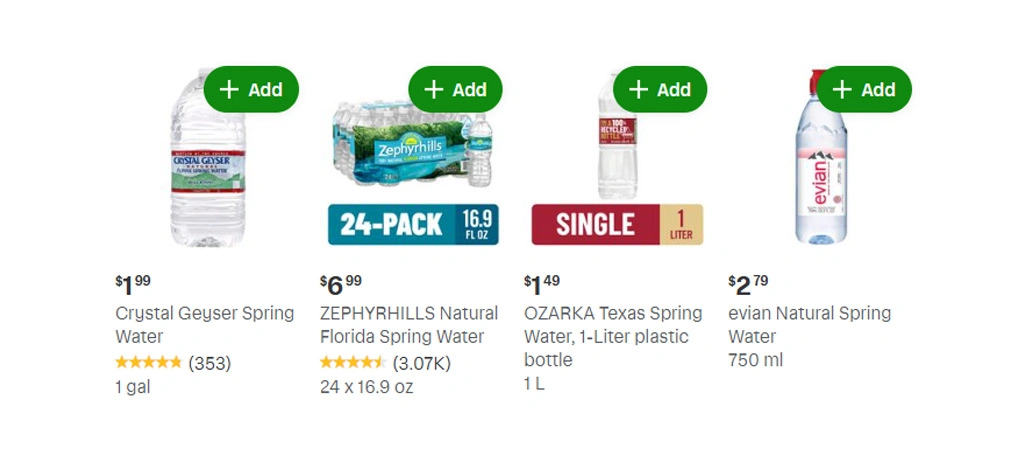
Price inconsistency between nearby supermarket branches is more common than most retailers assume. Studies show grocery prices can differ by nearly 18% across adjacent postal zones due to competition density, logistics costs, and demographic purchasing behavior. Without structured data capture, these fluctuations remain invisible to pricing teams relying on centralized reports.
Retailers increasingly depend on Supermarket Price Scraping by Zip Code to measure store-level price variation across identical SKUs. By mapping items against specific postal clusters, businesses gain visibility into localized markup strategies and competitor discount patterns. This helps eliminate overpricing in sensitive areas and prevents underpricing in premium zones.
To support detailed SKU-level analysis, Grocery Pricing & Product Tracking captures item descriptions, pack sizes, promotional labels, and availability indicators. This structured data ensures that price comparisons remain accurate across regions and product categories.
| Monitoring Focus | Insight Captured | Business Advantage |
|---|---|---|
| SKU Price by Area | Detects micro price gaps | Better margin alignment |
| Stock Availability | Identifies supply imbalance | Improved replenishment |
| Promotion Tags | Highlights localized offers | Smarter discount control |
| Brand Positioning | Tracks competitor assortment | Stronger pricing confidence |
Additionally, Location-Based Grocery Price Monitoring enables structured comparisons across residential, commercial, and mixed-demand zones. Retailers observe that premium neighborhoods often maintain higher average basket values, while suburban areas rely on frequent markdowns to drive traffic.
By consolidating localized price intelligence into dashboards, retail teams can respond quickly to neighborhood-level competition. This structured visibility transforms isolated price checks into a consistent analytical framework that supports long-term strategic pricing decisions.
Managing Promotional Volatility Through Real-Time Tracking Systems
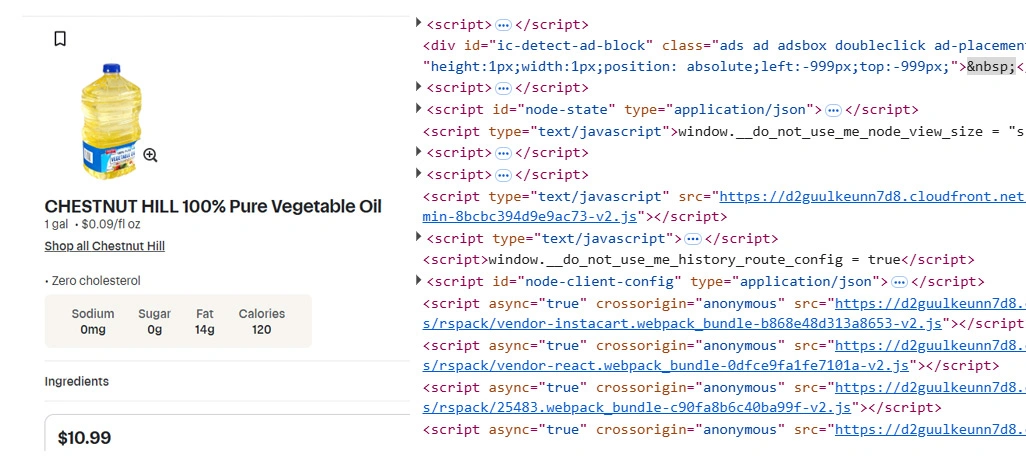
Short-term promotions and flash discounts significantly influence grocery price movement. Supermarkets frequently update digital pricing during seasonal demand peaks, festive periods, or competitive responses. Data indicates that certain grocery categories experience price changes multiple times per week, particularly in high-traffic areas.
Retailers using How to Track Supermarket Prices by Location Using Scraping methodologies automate regional monitoring instead of relying on periodic manual audits. Automated extraction systems collect updated price data at defined intervals, ensuring promotional shifts are captured without delay.
Integrating a Real-Time Grocery Pricing API enhances this process by streaming continuous data into centralized dashboards. Instead of reviewing outdated weekly sheets, pricing managers access live updates reflecting ongoing campaign adjustments and competitor responses.
| Promotional Trigger | Update Frequency | Strategic Outcome |
|---|---|---|
| Flash Sale | 24–48 hours | Traffic acceleration |
| Festival Offer | Weekly | Volume growth |
| Competitor Reaction | Daily | Margin correction |
| Clearance Sale | Irregular | Inventory balancing |
For essential categories, FMCG Price Tracking ensures that staples such as dairy, grains, and packaged goods remain competitively positioned across income segments. Retailers observe that price-sensitive zones often display deeper discount cycles compared to premium residential clusters.
Moreover, Grocery Discount Tracking by Area helps identify which postcodes experience repetitive markdowns versus stable pricing models. By analyzing discount depth and duration, businesses refine marketing investments and allocate promotional budgets more efficiently.
Building Structured Regional Intelligence for Competitive Alignment
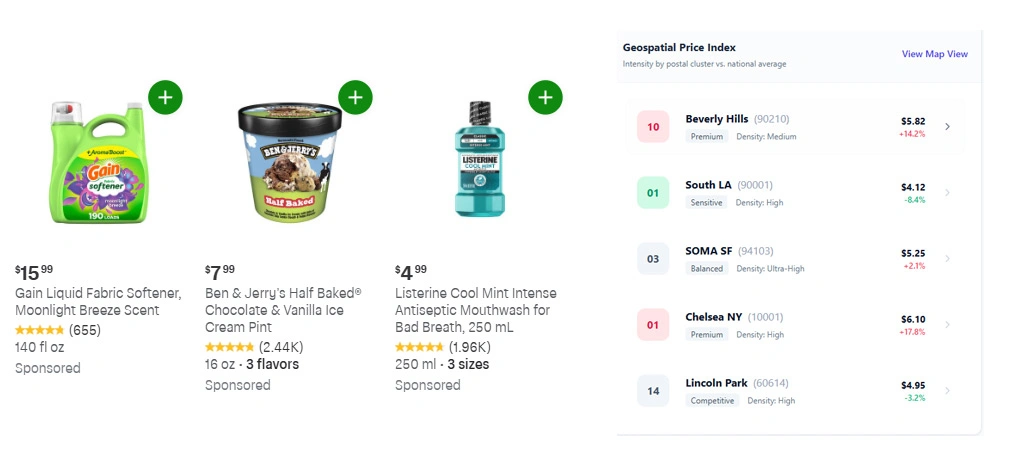
Retail grocery markets are shaped by hyperlocal demand, supply-chain variations, and neighborhood competition intensity. National average pricing models often fail to reflect these micro-market conditions. Retailers now require region-specific intelligence frameworks to support scalable decision-making.
Advanced Regional Supermarket Price Monitoring Solutions consolidate competitor price data, availability status, and promotion patterns into structured comparison models. This helps identify clusters where price wars are frequent and areas where premium pricing remains sustainable.
Through Hyperlocal Grocery Price Intelligence With Web Scraping, businesses detect pricing discrepancies that traditional surveys or manual audits cannot measure accurately. Automated systems capture granular store-level data across urban, suburban, and tier-2 city markets.
| Market Segment | Typical Pricing Pattern | Competitive Behavior |
|---|---|---|
| Urban Core | Higher average margins | Brand-driven pricing |
| Suburban | Frequent discounts | Bundle promotions |
| Tier-2 Cities | Balanced strategy | Mixed pricing approach |
| Rural | Essential-focused pricing | Volume-based sales |
Complementing this framework, Location-Based Grocery Price Monitoring ensures postcode-level comparisons remain consistent across regions. Retailers can visualize price spreads between competitive clusters and adjust pricing models accordingly.
By centralizing these insights into regional dashboards, businesses create scalable intelligence systems that improve forecasting accuracy and promotional efficiency. This structured approach enables smarter allocation of inventory, better competitor benchmarking, and stronger long-term pricing strategies across diverse supermarket ecosystems.
How Retail Scrape Can Help You?
Retailers operating in multi-location markets require precise pricing intelligence to stay competitive. Our expertise integrates Grocery Price Scraping by Postcode Monitoring into structured dashboards, helping brands identify localized price movements and demand signals without manual audits.
We provide scalable solutions that empower grocery retailers, FMCG brands, and analytics firms to transform raw data into actionable insights:
- Automated multi-store data extraction.
- Postcode-level SKU comparison models.
- Discount and promotion tracking systems.
- Competitor assortment benchmarking.
- Inventory availability insights.
- Customizable reporting dashboards.
Our analytics engine integrates Location-Based Grocery Price Comparison Analytics to ensure businesses receive structured regional comparisons with measurable performance indicators.
We transform grocery pricing data into strategic intelligence, enabling faster decisions and stronger competitive positioning.
Conclusion
Retail competition now depends on accurate hyperlocal intelligence rather than national averages. By implementing Grocery Price Scraping by Postcode Monitoring, businesses can measure up to 18% price differences across supermarket chains and optimize margins accordingly.
With the support of Supermarket Price Scraping by Zip Code, brands gain clarity across neighborhoods and improve revenue planning. Ready to transform your grocery pricing intelligence? Contact Retail Scrape today to build a smarter postcode-driven pricing strategy.
Effortlessly managing intricacies with customized strategies.
Mitigating risks, navigating regulations, and cultivating trust.
Leveraging expertise from our internationally acclaimed team of developers
Reliable guidance and assistance for your business's advancement