
How does Ecommerce Price Tracking USA Using Web Scraping Tools Help Brands Gain 38% Competitive Edge?
Introduction
The modern retail ecosystem is driven by real-time data, rapid pricing shifts, and highly informed consumers. Brands operating in the U.S. market are under constant pressure to adjust pricing strategies dynamically while maintaining profitability and customer trust. This is where E-Commerce Price Monitoring becomes a vital component of digital success. By tracking competitor pricing, discounts, and inventory changes, businesses can make smarter and faster decisions.
Traditional pricing methods no longer meet the expectations of a digitally connected marketplace. Consumers compare prices across multiple platforms within seconds, making it essential for brands to remain competitive at all times. Data-driven insights help businesses respond effectively to these behaviors while maintaining brand positioning.
Ecommerce Price Tracking USA Using Web Scraping Tools enables companies to collect large-scale pricing data from multiple ecommerce platforms in real time. This data not only supports competitive pricing but also reveals hidden patterns in consumer behavior and market trends. As a result, businesses that adopt automated tracking tools often report up to a 38% improvement in competitive positioning, better conversion rates, and optimized revenue streams.
Identifying Pricing Discrepancies Across Multiple Online Platforms
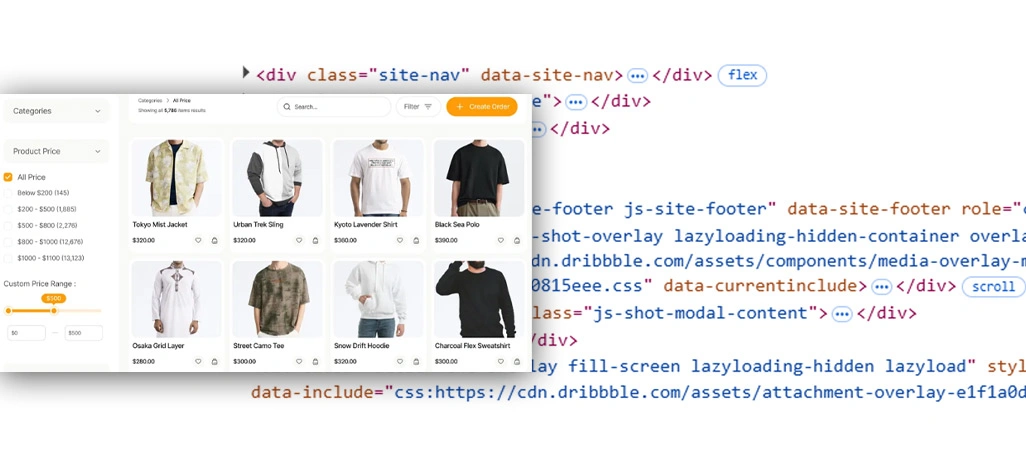
One of the most pressing challenges ecommerce brands face is spotting pricing discrepancies across different platforms. Without structured data, companies often make decisions based on assumptions or outdated reports, leading to revenue loss and missed opportunities. Web Scraping for E-Commerce enables businesses to extract real-time data and monitor competitor pricing continuously.
Research indicates that over 60% of ecommerce brands experience revenue drops due to inaccurate pricing decisions. By integrating tools such as Ecommerce Product Catalog API Dataset, businesses can obtain structured product-level information and track price shifts systematically. This allows them to identify underpriced or overpriced items and adjust strategies proactively
| Challenge | Analytical Solution | Result |
|---|---|---|
| Fragmented pricing data | Real-time extraction | 25% higher pricing accuracy |
| Limited visibility into competitors | Continuous monitoring | Faster reaction to market changes |
| Data inconsistency across sources | Unified dashboards | Enhanced strategic planning |
Leveraging Price Intelligence Using Web Scraping in the US Market ensures brands gain actionable insights into competitor strategies and seasonal trends. Additionally, using Ecommerce Product Database API helps structure product-level information, making it easier to analyze and act upon. This process reduces errors and allows brands to respond quickly to market shifts, improving competitiveness and profitability over time.
Improving Profitability Through Predictive Pricing Models

Maximizing profitability requires more than basic tracking; it involves understanding trends, predicting customer behavior, and refining pricing decisions. Brands using advanced predictive analytics report a 30% increase in profit margins compared to those relying on static pricing methods. An effective Ecommerce Price Intelligence Guide emphasizes the importance of integrating multiple datasets to understand pricing behavior holistically.
An effective pricing strategy combines multiple data sources for holistic insights. Using Ecommerce Product Metadata API Dataset, businesses can uncover patterns in product performance, demand cycles, and consumer preferences. These datasets provide critical information for predictive modeling and targeted pricing adjustments.
| Strategy Component | Implementation Method | Impact |
|---|---|---|
| Historical trend analysis | AI-driven modeling | 20% higher revenue |
| Predictive insights | Pattern recognition | Smarter product decisions |
| Product-level visibility | Metadata integration | More precise targeting |
Additionally, Ecommerce Pricing Intelligence Competitor Analysis helps identify competitor weaknesses and optimize pricing strategies accordingly. Automating these workflows ensures continuous analysis without manual errors, enabling faster reaction to market fluctuations. By combining predictive models with structured product data, brands can refine pricing, enhance customer engagement, and sustain growth even in highly competitive marketplaces.
Streamlining Real-Time Pricing Adjustments With Automation
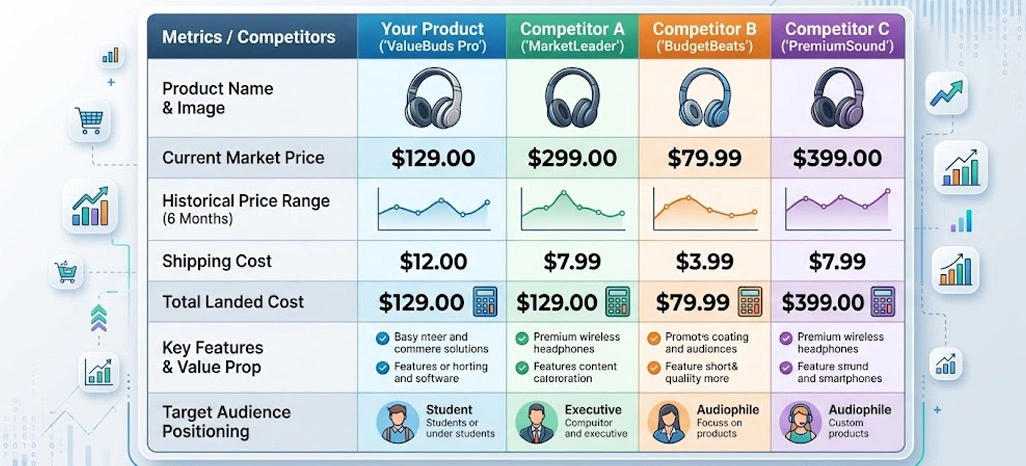
Manual monitoring of competitor prices is inefficient and prone to errors. Automation streamlines this process, ensuring accuracy, scalability, and timeliness in price management. Companies that implement automated monitoring tools reduce operational costs by approximately 40% while improving responsiveness.
Tools such as Ecommerce Competitor Analysis API allow brands to track pricing, promotions, and stock availability across multiple platforms without manual intervention. This automation helps businesses maintain market competitiveness, identify gaps quickly, and adjust strategies effectively.
| Automation Feature | Key Benefit | Result |
|---|---|---|
| Real-time price alerts | Immediate updates | Faster decision-making |
| API integration | Seamless workflow | Increased efficiency |
| Cross-platform monitoring | Scalable operations | Broader coverage |
Using Automate Ecommerce Price Monitoring With API, companies can focus on strategy rather than manual collection. These solutions provide comprehensive dashboards and real-time alerts, enabling instant response to competitors’ actions. By integrating structured datasets, brands gain a stronger competitive edge and maintain market relevance consistently.
How Retail Scrape Can Help You?
In a rapidly evolving ecommerce landscape, having a reliable data partner is essential for success. Ecommerce Price Tracking USA Using Web Scraping Tools plays a critical role in enabling brands to stay aligned with market trends and competitor movements while improving pricing strategies.
Key capabilities include:
- Real-time monitoring of competitor pricing across platforms.
- Accurate extraction of product-level data from multiple sources.
- Custom dashboards for better visualization and decision-making.
- Scalable solutions to handle large volumes of data.
- Integration support for seamless workflow automation.
- Continuous updates to ensure data relevance and accuracy.
We also enable advanced data integration strategies, boosting analytical insights while leveraging Web Scraping for Dynamic Pricing in E-Commerce Businesses. Leveraging Ecommerce Product Research Dataset API, businesses can strengthen their pricing intelligence framework and achieve measurable growth.
Conclusion
Modern ecommerce success depends heavily on data-driven strategies that align pricing with market demand. By adopting Ecommerce Price Tracking USA Using Web Scraping Tools, businesses can improve pricing accuracy, respond to market changes instantly, and enhance overall competitiveness.
Integrating solutions like Ecommerce Product Catalog API Dataset further strengthens data capabilities, enabling brands to make informed and strategic decisions. Start optimizing your pricing strategy with Retail Scrape today and transform your ecommerce performance with data-driven insights.
Effortlessly managing intricacies with customized strategies.
Mitigating risks, navigating regulations, and cultivating trust.
Leveraging expertise from our internationally acclaimed team of developers
Reliable guidance and assistance for your business's advancement