

Introduction
The restaurant and food delivery industry has become highly data-driven. Restaurants, food delivery platforms, and market research firms rely on large datasets to understand consumer behavior, pricing trends, and competitor strategies.
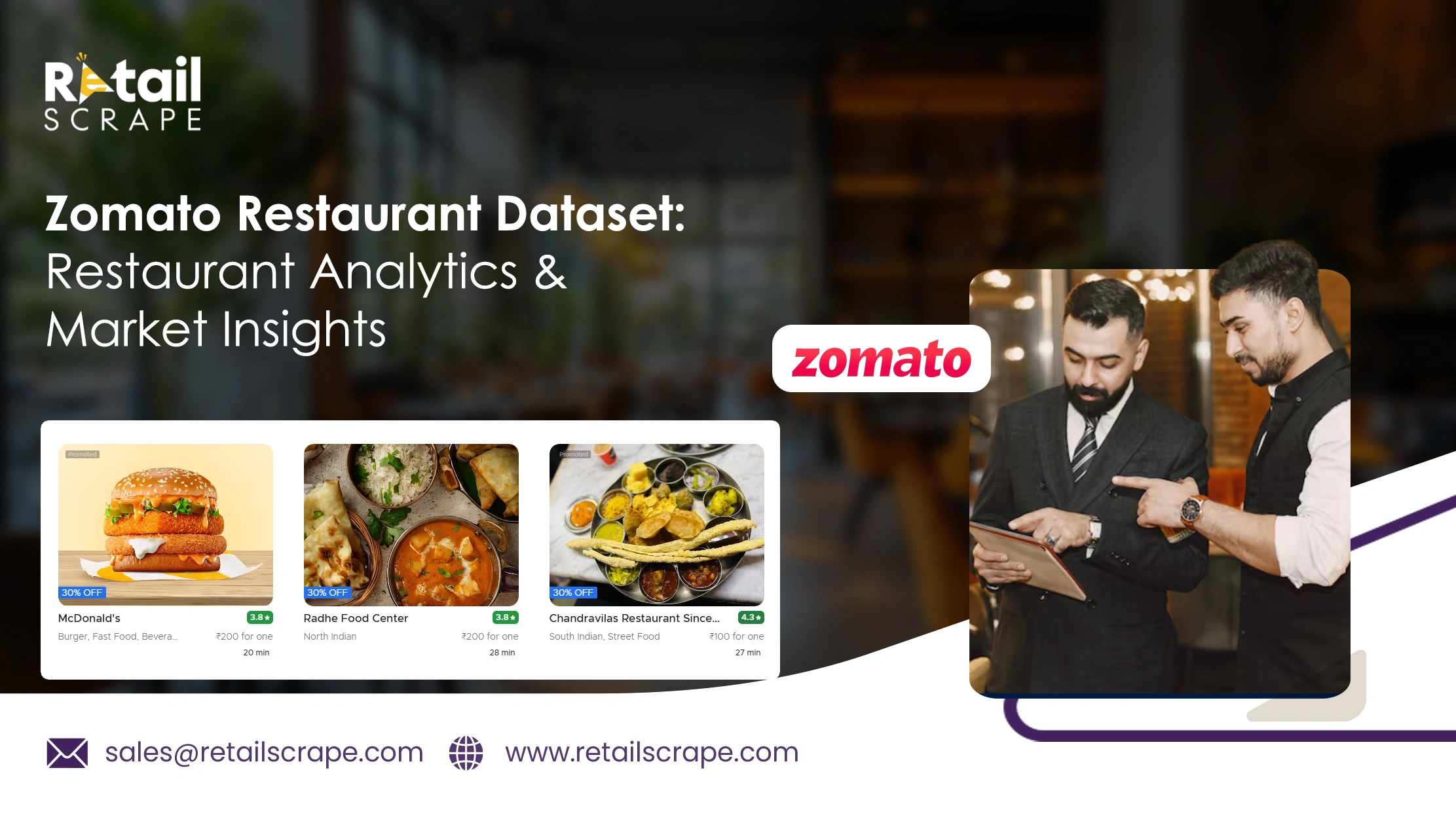
One of the most valuable sources of restaurant data is Zomato, a leading food discovery and restaurant listing platform. Businesses use a Zomato restaurant dataset to analyze restaurant performance, monitor pricing strategies, and gain insights into food delivery market trends.
Retail Scrape technologies enable companies to collect and structure restaurant data from Zomato listings into datasets and APIs that power analytics platforms.
Understanding Zomato Restaurant Dataset
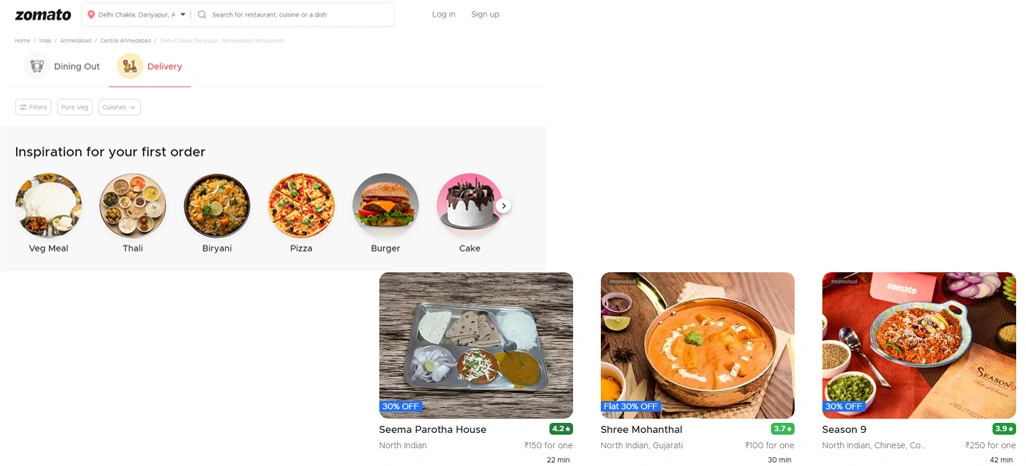
A Zomato restaurant dataset is a structured collection of restaurant information collected from Zomato listings across cities and regions.
These datasets help businesses analyze restaurant availability, menu offerings, pricing strategies, and customer reviews.
Key Data Fields in Zomato Restaurant Dataset
Typical datasets include:
- Restaurant name
- Restaurant location and city
- Cuisine type
- Average meal cost
- Menu items and pricing
- Restaurant ratings and reviews
- Number of customer reviews
- Restaurant contact details
- Delivery availability
This structured data enables detailed analysis of restaurant markets.
Importance of Marketplace Product Catalog Scraping
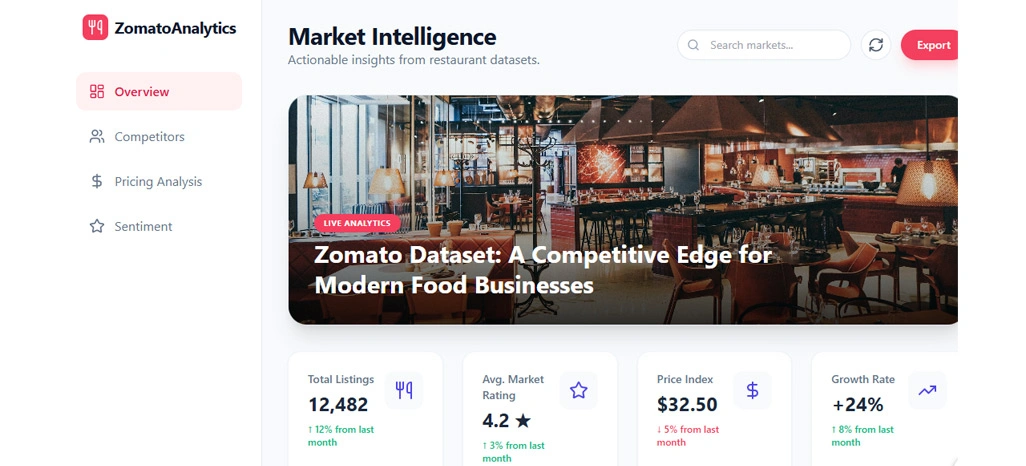
Businesses across the food service and analytics sectors use Zomato restaurant datasets to gain valuable insights into restaurant markets.
- 1. Restaurant Competitor Analysis
Restaurants analyze competitor listings, menu pricing, and ratings to understand their market position. - 2. Food Delivery Market Insights
Zomato data reveals trends in food delivery demand and popular cuisines. - 3. Restaurant Pricing Analysis
Companies use datasets to compare menu pricing across restaurants and regions. - 4. Customer Sentiment Insights
Restaurant reviews and ratings provide insights into customer preferences and satisfaction levels.
How Zomato Restaurant Data is Collected
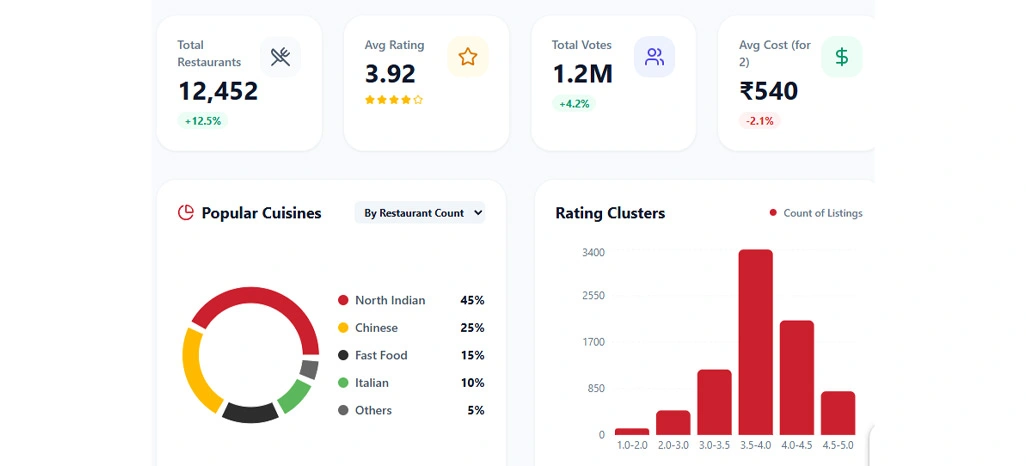
Building a Zomato restaurant dataset typically involves automated data extraction from restaurant listing pages.
- Step 1: Identify Restaurant Listings
Restaurants are selected based on location, cuisine type, or delivery availability. - Step 2: Extract Restaurant Data
Scraping tools collect restaurant details including menu items, prices, ratings, and reviews. - Step 3: Data Cleaning and Structuring
Collected data is standardized and organized into structured datasets. - Step 4: Analytics and Insights
Businesses analyze the dataset to evaluate restaurant trends and competitor strategies. Retail Scrape technologies automate the entire data collection and processing pipeline.
Use Cases of Zomato Restaurant Dataset
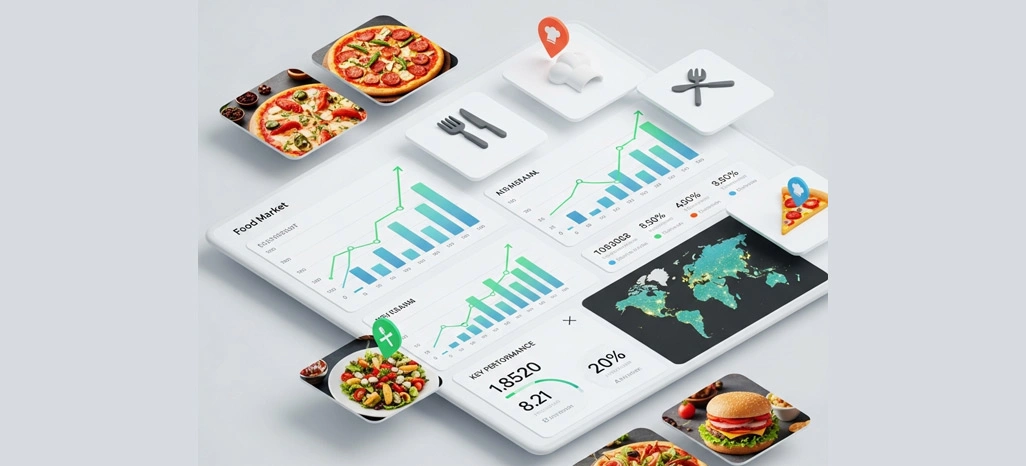
A Zomato restaurant dataset supports multiple business applications in the restaurant and food delivery industry.
- Restaurant Market Research
Food industry analysts use Zomato data to study restaurant trends and consumer preferences. - Menu Pricing Intelligence
Businesses analyze menu prices to understand restaurant pricing strategies. - Location-Based Restaurant Analysis
Companies evaluate restaurant density and cuisine popularity across cities. - Food Delivery Market Monitoring
Zomato datasets help track delivery demand across different neighborhoods.
Challenges in Restaurant Data Collection
Although restaurant data provides valuable insights, collecting large-scale restaurant data presents several challenges.
- Large Number of Listings
Major cities contain thousands of restaurant listings across multiple cuisines. - Frequent Menu Updates
Restaurants frequently update menu prices and items. - Review Data Complexity
Customer reviews vary in length, language, and sentiment.
Retail Scrape technologies address these challenges with scalable scraping frameworks and automated data processing systems.
Future of Restaurant Data Analytics
Restaurant data analytics is rapidly evolving with the growth of online food platforms. Businesses increasingly rely on structured restaurant datasets to understand market trends and customer behavior.
Future innovations include:
- AI-powered restaurant recommendation systems
- Real-time menu price monitoring
- Customer sentiment analytics from restaurant reviews
- Restaurant demand forecasting models
By leveraging Zomato restaurant datasets, businesses can gain valuable insights into food industry trends.
Conclusion
Restaurant data has become an essential resource for businesses operating in the food delivery and hospitality sectors. Access to structured restaurant information enables companies to analyze market trends, monitor competitors, and understand customer preferences.
A Zomato restaurant dataset provides detailed insights into restaurant listings, menu pricing, customer ratings, and food delivery availability.
Retail Scrape technologies help transform raw restaurant listings into structured datasets and analytics solutions that support data-driven decisions in the competitive restaurant industry.
Effortlessly managing intricacies with customized strategies.
Mitigating risks, navigating regulations, and cultivating trust.
Leveraging expertise from our internationally acclaimed team of developers
Reliable guidance and assistance for your business's advancement