Introduction
Retail giants operate in highly competitive environments where pricing strategies, product assortment, and promotional campaigns constantly evolve. One of the leading retail companies in the United States is Target, which offers a massive range of products across categories like electronics, groceries, fashion, home décor, and more.
Businesses looking to understand the retail landscape increasingly rely on Target product data scraping, Target pricing dataset, and Target competitor analysis dataset solutions. These datasets allow retailers, brands, and analytics firms to monitor product listings, track pricing trends, and evaluate competitor strategies.
Retail Scrape technologies enable companies to collect large-scale product data from online retail platforms and convert it into structured datasets that support retail intelligence and competitive analysis.
Understanding Target Product Data Scraping
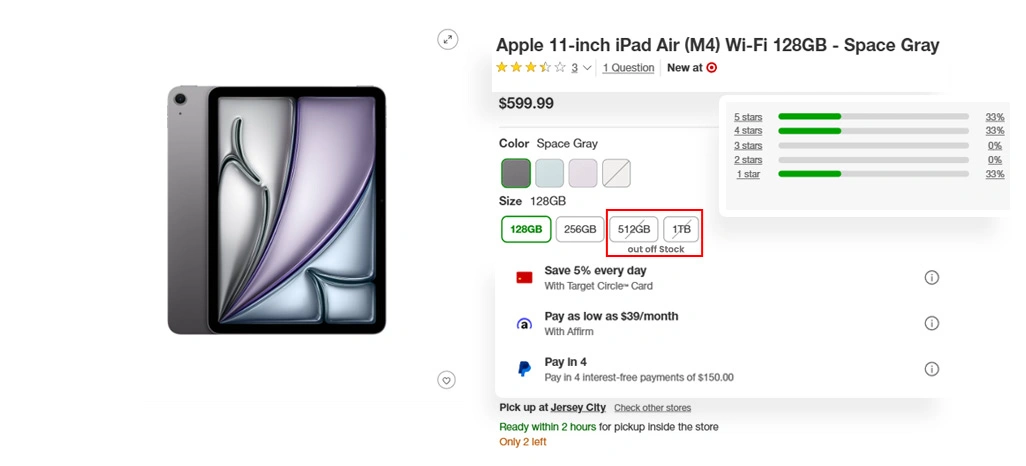
Target product data scraping refers to the automated extraction of product information from the online catalog of Target’s eCommerce platform.
By collecting structured data from product listings, businesses can analyze pricing strategies, product availability, and category performance.
Key Data Points Collected Through Target Product Data Scraping
A typical dataset generated through Target product data scraping may include:
- Product name and SKU
- Brand name
- Product category
- Product descriptions and specifications
- Product images
- Product prices
- Discounts and promotional offers
- Product ratings and reviews
- Stock availability
This information forms the foundation of retail intelligence datasets used by brands and analytics companies.
Target Pricing Dataset for Retail Price Intelligence
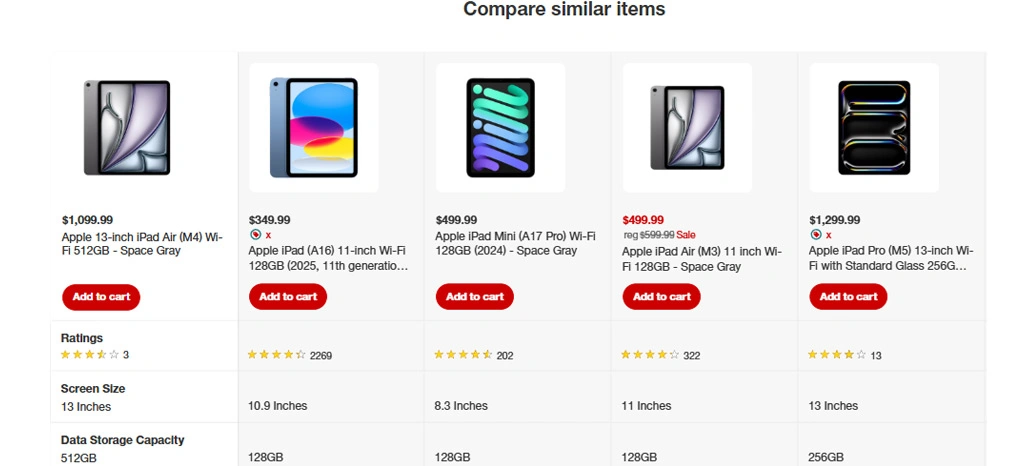
A Target pricing dataset provides structured pricing data collected from Target product listings. This dataset helps businesses understand pricing patterns across product categories and analyze competitive retail strategies.
Retailers and brands use this dataset to benchmark their pricing against one of the largest retail chains in the market.
Benefits of Target Pricing Dataset
- Competitive Price Benchmarking
Retailers can compare their product prices with Target’s pricing strategies to stay competitive. - Promotion Tracking
Brands can analyze discounts, seasonal sales, and promotional campaigns run by Target. - Category-Level Price Analysis
Businesses can study pricing patterns across product categories such as electronics, groceries, or apparel. - Historical Pricing Trends
Target pricing datasets can reveal how prices change over time for different products.
Target Competitor Analysis Dataset
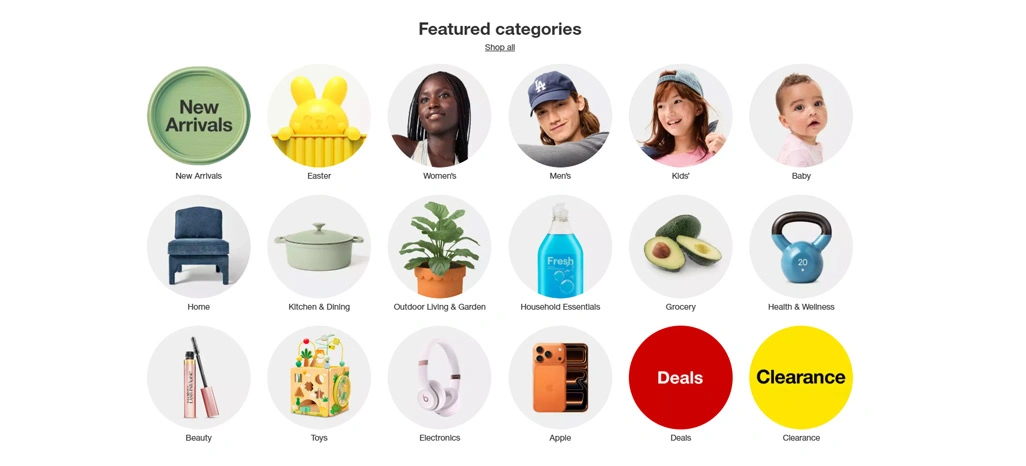
Understanding how a major retailer positions its products is essential for competitive intelligence. A Target competitor analysis dataset provides insights into how Target competes with other retail platforms and marketplaces.
Businesses can analyze product listings, pricing differences, and promotional strategies to identify market opportunities.
Key Insights from Target Competitor Analysis Dataset
Companies can analyze:
- Price comparison across competitors
- Product assortment strategies
- Category-level competition
- Promotional pricing campaigns
- Product popularity trends
These insights help retailers improve product positioning and pricing strategies.
Why Target Product Data Scraping is Important for Retail Analytics
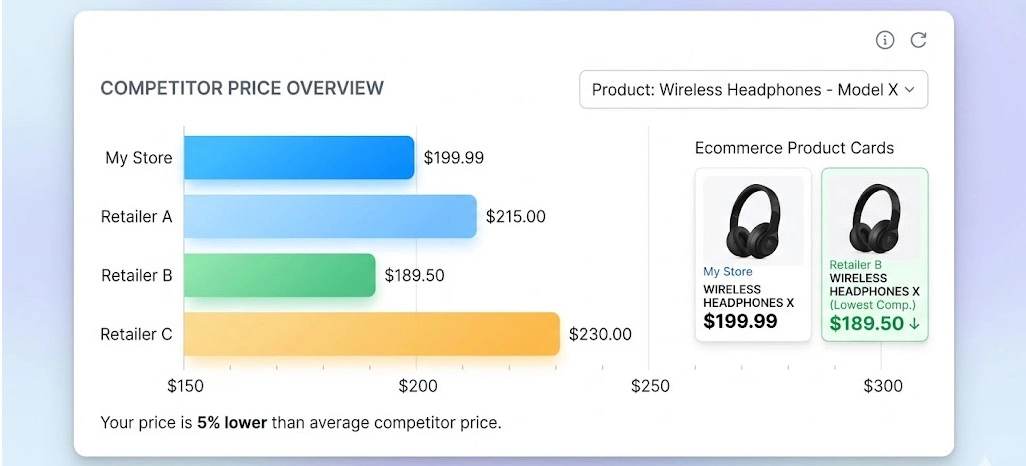
The retail industry generates massive amounts of product data daily. Manually tracking product listings and prices across large retailers like Target is extremely difficult.
Target product data scraping automates this process and provides businesses with accurate and structured data for analysis.
Retail analytics teams use this data to:
- Monitor competitor pricing strategies
- Identify trending products
- Analyze brand performance
- Track product availability
Retail Scrape solutions help businesses convert raw retail data into valuable insights.
How Retail Scrape Builds Target Pricing Dataset
Retail Scrape technologies automate the process of collecting product and pricing data from retail websites.
- Step 1: Identifying Data Sources
Data is collected from Target’s online retail platform and product catalog. - Step 2: Automated Data Extraction
Advanced scraping tools extract product listings, pricing information, and promotional data. - Step 3: Data Cleaning and Structuring
The extracted data is processed to remove inconsistencies and duplicates. - Step 4: Dataset Creation
Businesses receive structured datasets such as Target pricing dataset or Target competitor analysis dataset ready for analytics.
Use Cases of Target Competitor Analysis Dataset
Businesses across the retail ecosystem rely on competitor datasets for strategic planning.
- Retail Price Monitoring
Retailers can monitor Target’s pricing strategies and adjust their own product prices accordingly. - Product Assortment Optimization
Brands can evaluate how their products are listed and positioned on the Target platform. - Market Research
Market research firms analyze Target datasets to understand retail industry trends. - Brand Performance Analysis
Brands selling through multiple retail channels can compare performance across platforms.
Challenges in Target Product Data Scraping
Although retail data is publicly available online, collecting it at scale presents several challenges.
- Large Product Catalogs
Retailers like Target offer thousands of products across multiple categories. - Frequent Price Updates
Prices and promotions change frequently. - Data Structure Variations
Product pages may have different formats and data structures.
Retail Scrape solutions address these challenges through automated scraping infrastructure and intelligent data processing.
Future of Retail Competitor Analysis Datasets
Retail analytics is becoming increasingly data-driven. Businesses will rely heavily on datasets such as Target pricing dataset and Target competitor analysis dataset to monitor competitors and analyze market trends.
Emerging trends include:
- AI-powered retail intelligence systems
- Real-time price monitoring
- Automated product trend analysis
- Predictive retail demand forecasting
These innovations will help companies make smarter retail decisions using structured product datasets.
Conclusion
Retail competition is intensifying, and data has become one of the most valuable resources for businesses. Companies that leverage product and pricing datasets gain deeper insights into market dynamics and competitor strategies.
Through Target product data scraping, businesses can collect large-scale product information from the Target retail platform. A Target pricing dataset helps analyze pricing strategies, while a Target competitor analysis dataset provides valuable insights into retail competition.
Retail Scrape technologies empower retailers, brands, and analytics firms to transform retail data into actionable intelligence that drives smarter pricing strategies, improved product positioning, and long-term business growth.
Effortlessly managing intricacies with customized strategies.
Mitigating risks, navigating regulations, and cultivating trust.
Leveraging expertise from our internationally acclaimed team of developers
Reliable guidance and assistance for your business's advancement