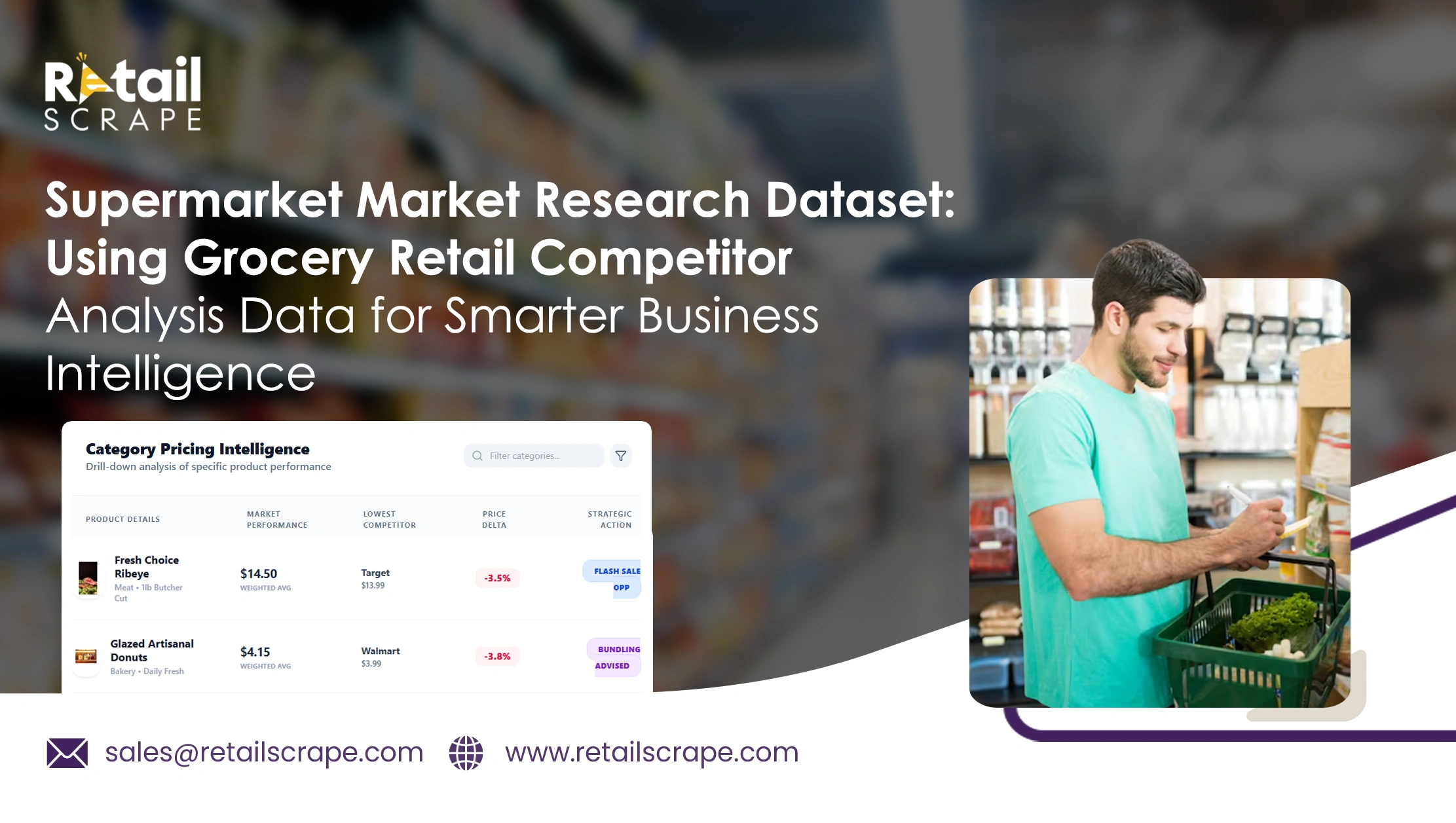
Supermarket Market Research Dataset: Using Grocery Retail Competitor Analysis Data for Smarter Business Intelligence
Introduction
The global grocery retail industry is evolving rapidly with increasing competition among supermarkets, online grocery platforms, and retail chains. Businesses must rely on data-driven insights to stay competitive and adapt to shifting consumer preferences.
This is where supermarket market research dataset, grocery retail competitor analysis data, and grocery retail business intelligence data play a crucial role. These datasets help supermarkets, retailers, and analytics firms monitor pricing trends, evaluate competitor strategies, and understand market demand.
Retail Scrape solutions enable businesses to collect large-scale grocery retail data and convert it into actionable intelligence that improves pricing strategies, inventory planning, and competitive positioning.
In this blog, we explore how supermarket data scraping helps organizations build comprehensive datasets and drive smarter retail decisions.
What is a Supermarket Market Research Dataset?
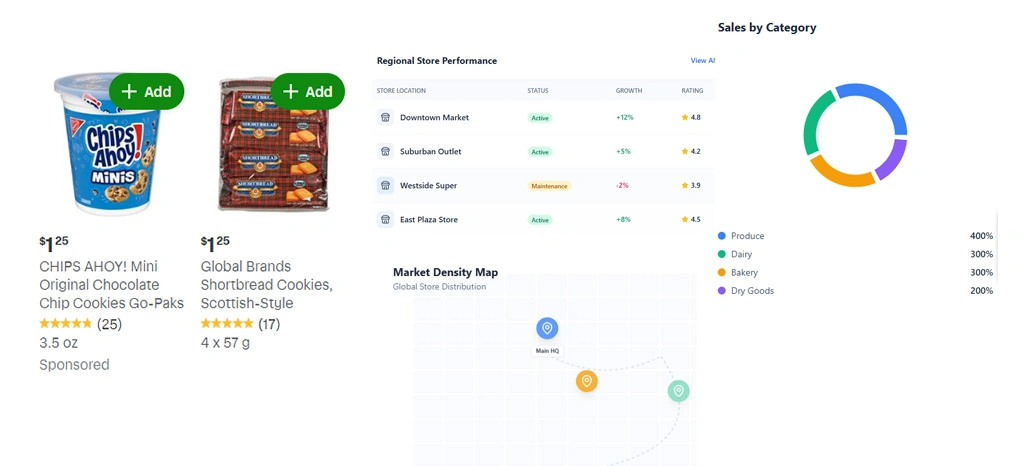
A supermarket market research dataset is a structured collection of data gathered from supermarkets, grocery retail platforms, and eCommerce grocery stores. Grocery retail competitor Price monitoring data provides valuable insights into pricing strategies, product assortments, promotional activities, and evolving consumer demand patterns across the retail market.
Retail companies and research firms use supermarket market research datasets to analyze market trends and identify opportunities for growth.
Key Components of a Supermarket Market Research Dataset
A typical dataset may include:
- Product names and categories
- Brand information
- Product prices
- Discount and promotional offers
- Store locations
- Product availability
- Customer ratings and reviews
- Seasonal pricing trends
These data points help retailers gain a comprehensive understanding of the grocery market.
Importance of Grocery Retail Competitor Analysis Data
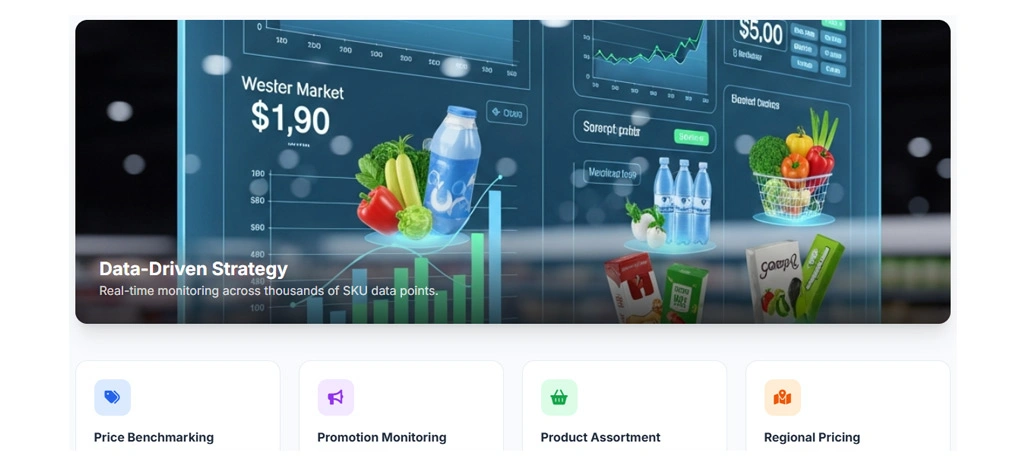
Understanding competitors is critical for success in the grocery retail sector. Grocery retail competitor analysis data allows businesses to monitor how rival supermarkets price their products, launch promotions, and expand their product assortments.
Retailers can benchmark their strategies against competitors and identify pricing opportunities that attract customers while maintaining profitability.
Benefits of Grocery Retail Competitor Analysis Data
-
1. Price Benchmarking
Supermarkets can compare their product prices with competitors to remain competitive in the market. -
2. Promotion Monitoring
Retailers can track competitor discounts, bundle offers, and promotional campaigns. -
3. Product Assortment Analysis
Businesses can identify popular product categories and emerging grocery trends. -
4. Regional Pricing Insights
Grocery retail competitor analysis data reveals how prices vary across cities, regions, or stores.
How Grocery Retail Business Intelligence Data Supports Retail Strategy
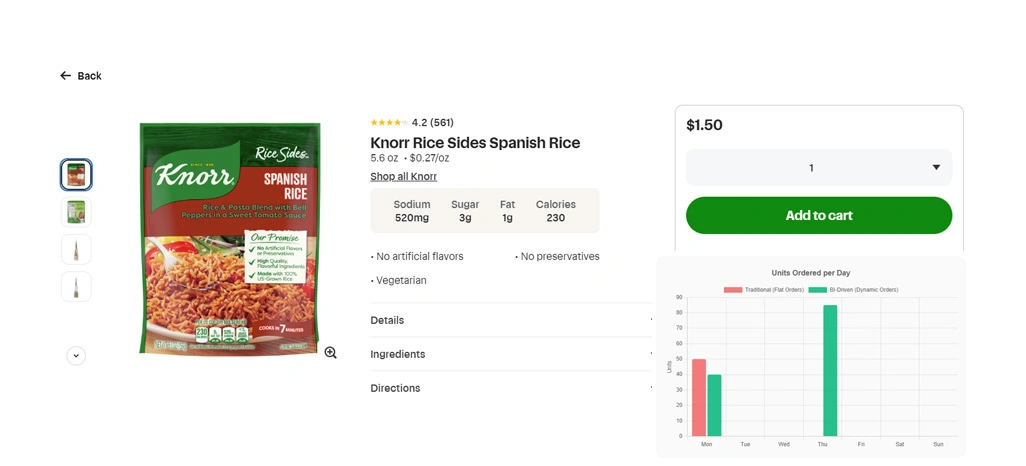
Grocery retail business intelligence data transforms raw grocery data into meaningful insights through analytics and visualization tools.
Business intelligence systems help decision-makers understand complex datasets and convert them into actionable strategies.
Key Applications of Grocery Retail Business Intelligence Data
-
Demand Forecasting
Retailers can predict product demand based on historical sales and pricing trends. -
Dynamic Pricing
Supermarkets can optimize product pricing based on competitor data and market demand. -
Inventory Optimization
Business intelligence insights help retailers maintain optimal inventory levels. -
Market Expansion Planning
Retail chains planning expansion can use grocery retail business intelligence data to analyze demand across regions.
How Retail Scrape Builds Supermarket Market Research Datasets
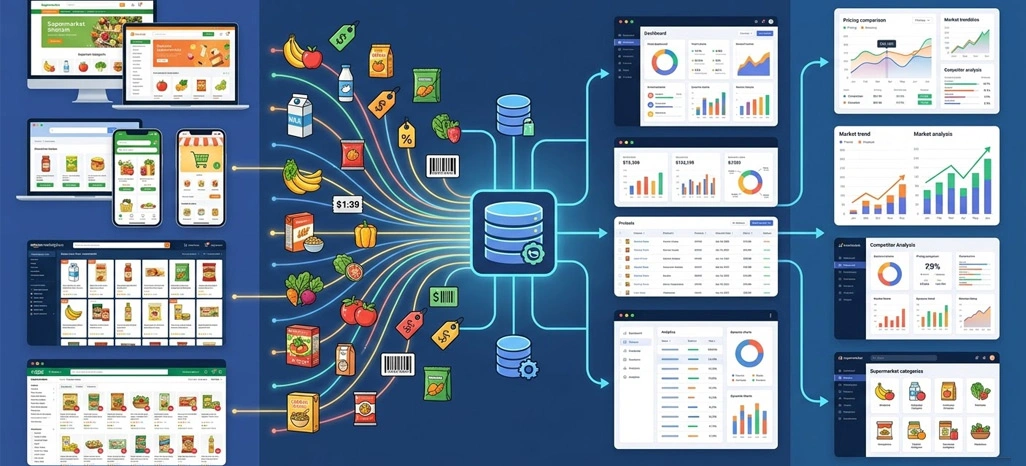
Retail Scrape technology automates the process of collecting grocery retail data from multiple sources.
Data Source Identification
Data is gathered from:
- Supermarket websites
- Online grocery platforms
- Retail marketplaces
- Product listing platforms
Automated Data Extraction
Retail Scrape tools extract large volumes of product and pricing data efficiently.
Data Structuring and Cleaning
The collected data is cleaned, standardized, and organized into structured datasets.
Dataset Delivery
Businesses receive a supermarket market research dataset that can be used for competitor analysis and business intelligence.
Use Cases of Grocery Retail Competitor Analysis Data
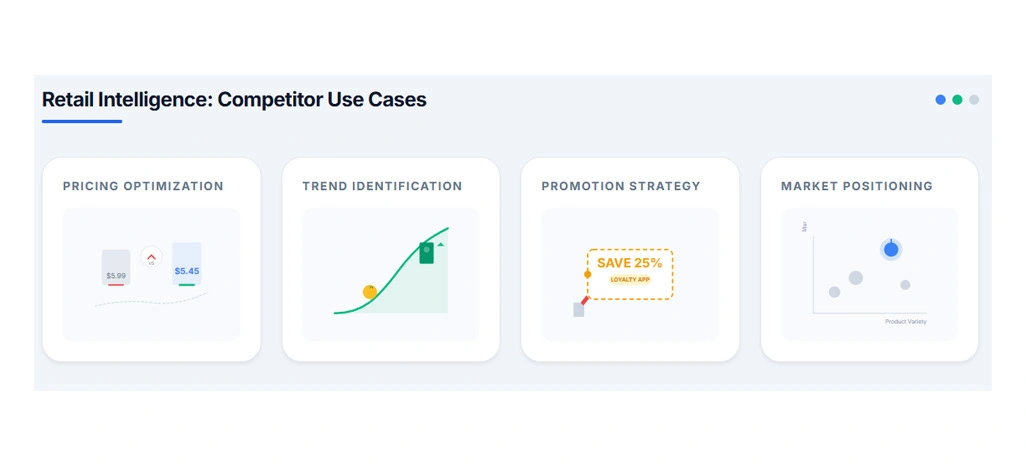
Businesses across the retail ecosystem rely on competitor analysis datasets to gain strategic advantages.
Competitive Pricing Optimization
Retailers monitor competitor pricing strategies and adjust their product prices accordingly.
Product Trend Identification
Analyzing grocery retail competitor analysis data helps businesses identify trending products and fast-moving categories.
Promotion Strategy Development
Retailers can design more attractive promotional campaigns based on competitor insights.
Market Positioning
Understanding competitor pricing and product offerings helps supermarkets differentiate themselves in crowded markets.
Why Grocery Retail Business Intelligence Data Matters
The grocery retail industry generates enormous volumes of data daily. Without proper analytics, this data remains unused.
Grocery retail business intelligence data enables businesses to visualize trends, identify opportunities, and make faster decisions.
Business intelligence dashboards provide insights such as:
- Price fluctuation patterns
- Category-level demand analysis
- Regional product popularity
- Promotion effectiveness
Retail Scrape solutions transform raw grocery retail data into these powerful intelligence tools.
Challenges in Building Supermarket Market Research Datasets
Although grocery data is widely available online, collecting and analyzing it efficiently can be challenging.
Large Product Catalogs
Supermarkets often list thousands of products across multiple categories.
Frequent Price Updates
Prices and promotions change frequently, especially on online grocery platforms.
Platform Differences
Different supermarkets use different product structures and formats.
Retail Scrape technologies address these challenges by automating data collection and applying intelligent data processing.
The Future of Grocery Retail Business Intelligence Data
The future of grocery retail analytics will be increasingly driven by real-time data and artificial intelligence.
Businesses will rely heavily on supermarket market research dataset, grocery retail competitor analysis data, and grocery retail business intelligence data to understand market dynamics and predict consumer behavior.
Emerging trends include:
- AI-powered price optimization
- Real-time competitor monitoring
- Automated retail intelligence dashboards
- Predictive grocery demand analysis
These innovations will redefine how supermarkets operate in a highly competitive retail environment.
Conclusion
Data has become one of the most valuable assets in the grocery retail industry. Companies that leverage data-driven insights gain a significant competitive advantage.
By using a supermarket market research dataset, retailers can understand product pricing and consumer trends. Grocery retail competitor analysis data provides insights into competitor strategies, while grocery retail business intelligence data converts raw information into powerful decision-making tools.
Retail Scrape solutions empower supermarkets, retail analytics firms, and market researchers to transform grocery retail data into actionable intelligence that drives smarter strategies, improved profitability, and sustainable growth.
Effortlessly managing intricacies with customized strategies.
Mitigating risks, navigating regulations, and cultivating trust.
Leveraging expertise from our internationally acclaimed team of developers
Reliable guidance and assistance for your business's advancement