
How PedidosYa Food Data Scraping Across Cities Reveals 30% Category Demand Shifts in Real-Time?
Introduction
Urban food delivery markets in Latin America are evolving faster than ever. Consumer preferences, restaurant availability, and pricing dynamics now change weekly, sometimes even daily. This is where PedidosYa Price Monitoring Using Web Scraping becomes a decisive advantage. By continuously collecting menu, pricing, availability, and category-level demand data from multiple cities, businesses can spot real-time category shifts before competitors react.
In recent market studies, city-wise tracking of food delivery platforms revealed up to 30% demand swings across cuisine categories such as burgers, pizza, desserts, and healthy meals. These shifts are often influenced by seasonal trends, promotional cycles, economic conditions, and even local events. However, without structured scraping and analytics workflows, most operators fail to quantify or act on these signals.
Using PedidosYa Food Data Scraping Across Cities as a real-time intelligence layer helps brands, delivery partners, and analytics teams identify which categories are accelerating, which are declining, and how pricing strategies affect order volumes. The result is not just better visibility—but smarter pricing, menu optimization, and faster competitive positioning across diverse urban markets.
City-Level Consumption Behavior and Shifts
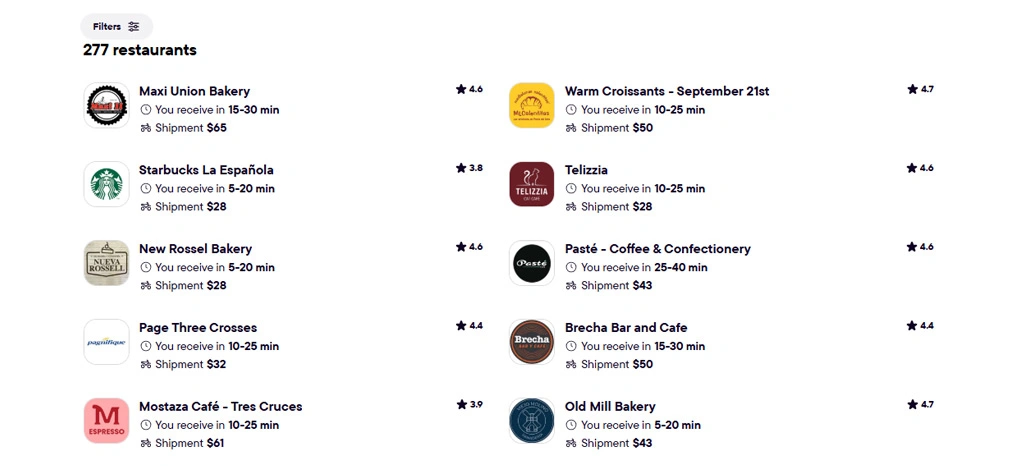
Urban food preferences vary sharply from one city to another, driven by cultural habits, income levels, and lifestyle rhythms. By applying Food Delivery Data Scraping Latin America, analysts can observe how cuisine categories fluctuate across metropolitan and suburban regions.
When enriched with PedidosYa Restaurant & Menu Data, scraped insights reveal how menu assortment depth influences category performance. Cities with broader dessert menus, for instance, show consistently higher late-night order volumes, while limited menu variety correlates with demand stagnation. This kind of structured intelligence allows operators to adjust menus regionally rather than enforcing a uniform offering across all locations.
Category demand is also sensitive to local events and seasonal factors. Data from multiple urban centers showed a 28–32% increase in beverage and snack orders during summer festivals, while premium cuisine categories dipped temporarily. Without automated scraping, these short-term but profitable demand windows often go unnoticed.
Category demand snapshot across major cities:
| City | Fast Food Growth | Healthy Meals Growth | Dessert Growth |
|---|---|---|---|
| Buenos Aires | +22% | +14% | +31% |
| Montevideo | +18% | +19% | +27% |
| Santiago | +25% | +11% | +29% |
| Lima | +21% | +16% | +24% |
| Bogotá | +23% | +13% | +28% |
These insights support smarter decisions around inventory planning, promotional scheduling, and regional menu design. Rather than relying on assumptions, brands gain evidence-based visibility into how demand evolves city by city, enabling more precise growth strategies and localized customer engagement.
Pricing Sensitivity and Revenue Optimization
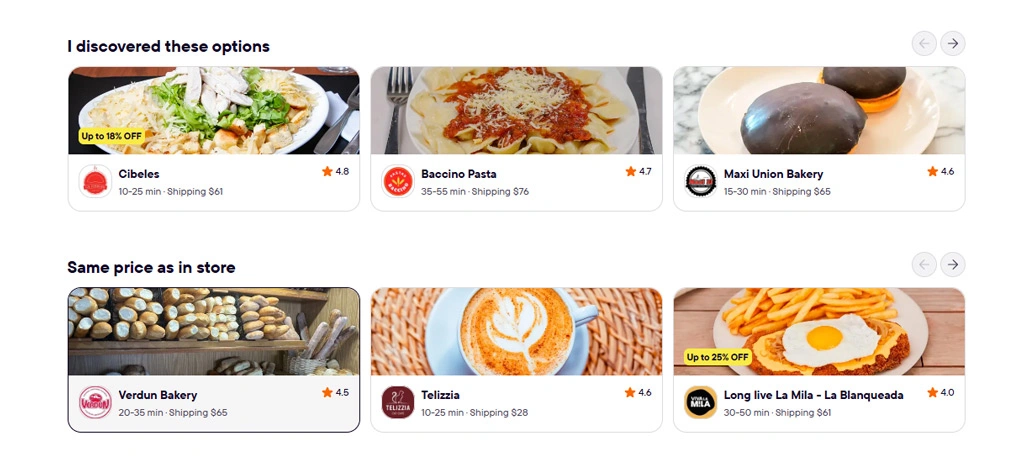
Pricing plays a decisive role in shaping food delivery demand, especially when consumers compare similar offerings across nearby cities. By analyzing scraped price data with a PedidosYa Food Dataset for Analytics, businesses can detect how even small price adjustments influence order volumes.
When combined with PedidosYa Market Intelligence Data, these insights become a foundation for dynamic pricing models. Instead of using a single price point across all markets, brands can experiment with localized pricing that reflects consumer sensitivity and competitor positioning.
This pricing intelligence supports:
- City-wise revenue forecasting.
- Category-level margin optimization.
- Price elasticity modeling.
- Discount campaign evaluation.
- Competitive price benchmarking.
Pricing impact trends from scraped insights:
| Category | Avg Price Change | Demand Change | Revenue Impact |
|---|---|---|---|
| Burgers | +8% | -14% | -7% |
| Pizza | +4% | -6% | -2% |
| Desserts | -9% | +19% | +8% |
| Healthy | +6% | -11% | -5% |
| Beverages | -5% | +17% | +9% |
By grounding pricing decisions in real-time data, businesses reduce guesswork and increase profitability. This analytical approach ensures that pricing strategies evolve with consumer behavior, competitive actions, and category demand cycles.
Competitive Positioning Across Urban Markets
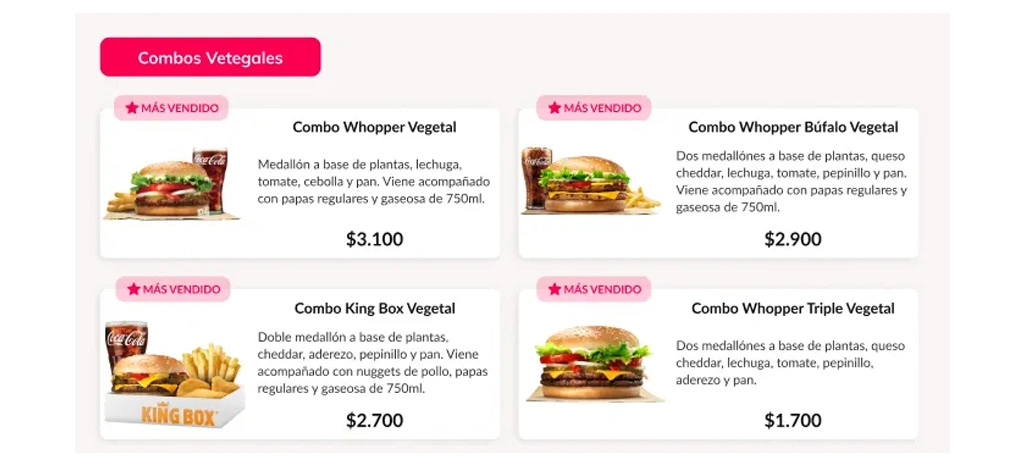
Competitive benchmarking becomes far more actionable when it is structured at the city level. Using PedidosYa Restaurant Price Comparison by City, analysts can observe how identical menu items are priced differently across regions and how these differences affect demand. In metropolitan hubs, premium pricing often sustains higher order volumes, while suburban markets show stronger price sensitivity.
When paired with Real-Time PedidosYa Price Tracking, businesses gain immediate visibility into competitor promotions, price changes, and new menu launches. This enables faster responses to market shifts, preventing revenue erosion caused by underpricing or lost demand due to overpricing.
Additionally, integrating Latin America Food Delivery Price Monitoring strengthens long-term strategic planning. Brands can map historical price trends against category demand growth, identifying which pricing strategies consistently drive volume and which ones suppress it.
City-wise competitive pricing snapshot:
| City | Avg Burger Price | Avg Pizza Price | Avg Dessert Price |
|---|---|---|---|
| Buenos Aires | $8.40 | $10.20 | $5.60 |
| Montevideo | $7.90 | $9.80 | $5.20 |
| Santiago | $8.70 | $10.60 | $5.90 |
| Lima | $8.10 | $9.90 | $5.40 |
| Bogotá | $8.30 | $10.10 | $5.70 |
These insights empower restaurant groups and aggregators to fine-tune pricing, optimize menu assortments, and design targeted promotions for each city. Competitive intelligence, when localized and real-time, transforms reactive pricing into a proactive growth strategy.
How Retail Scrape Can Help You?
Food delivery analytics has become a strategic necessity for brands competing across multiple cities, especially when powered by PedidosYa Food Data Web Scraping to unlock real-time, location-specific market insights.
We support end-to-end analytics workflows, including:
- Continuous city-level data collection.
- Category trend monitoring.
- Dynamic pricing intelligence.
- Competitor benchmarking.
- Menu performance analysis.
- Regional demand forecasting.
We deliver structured intelligence powered by PedidosYa Food Data Scraping Across Cities, enabling businesses to monitor demand, pricing, and competitive performance at scale.
Conclusion
Urban food delivery markets are moving faster than ever, and static reports can no longer capture real demand behavior. By applying PedidosYa Food Data Scraping Across Cities, brands gain the ability to track category shifts, pricing movements, and competitive positioning in real time.
When combined with Real-Time PedidosYa Price Tracking, this intelligence layer transforms raw platform data into actionable growth strategy. Ready to turn live market signals into smarter decisions? Contact Retail Scrape today to build your real-time food delivery analytics solution.