What Makes E-Commerce Data Scraping Benefits for Us Retailers in 2026 a Smart Growth Strategy?
Introduction
US retail is becoming increasingly data-driven as online competition expands across marketplaces, brand stores, and specialized ecommerce platforms. The U.S. Census Bureau reported $340.2 billion in retail ecommerce sales during Q2 2026, representing 17.1% of total retail sales. This continued expansion makes accurate digital market information increasingly important for retailers.
Pricing, product assortment, competitor activity, and inventory conditions can change rapidly across ecommerce channels. Ecommerce Web Scraping Services for Retailers can help businesses collect publicly available product information at scale and organize it for analysis. Instead of depending on manual checks, retailers can establish structured workflows for recurring market intelligence.
For retailers evaluating E-Commerce Data Scraping Benefits for US Retailers in 2026, the opportunity extends beyond collecting basic product information. Structured data can reveal pricing movements, assortment changes, promotional patterns, availability signals, and competitive positioning. These insights can support faster commercial decisions while helping retail teams build more consistent data-driven strategies.
Strategic Pricing Signals That Strengthen Retail Growth and Market Positioning
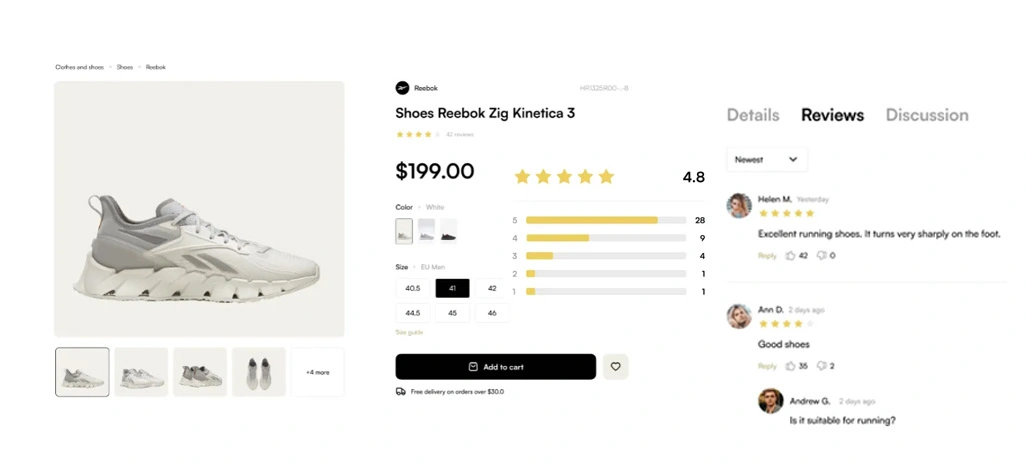
Pricing has become an increasingly important growth lever for US retailers as shoppers can compare products across multiple ecommerce channels within seconds. Retail teams need consistent visibility into competitor prices, discounts, product positioning, and promotional movements before making adjustments. Ecommerce Data Scraping Services for US Businesses can support this process by collecting structured information from relevant online sources at scheduled intervals.
A well-organized collection workflow can capture product names, listed prices, sale prices, discounts, ratings, sellers, and other commercially relevant attributes. Ecommerce Product Data Extraction Services USA can transform scattered marketplace information into structured records that teams can compare across products and competitors. Historical records are particularly useful because they allow businesses to understand whether a price movement is temporary or part of a longer trend.
| Pricing Data | Retailer Insight | Strategic Use |
|---|---|---|
| Listed price | Current market position | Price benchmarking |
| Sale price | Promotional intensity | Discount planning |
| Discount value | Competitor offer strength | Promotion evaluation |
| Product rating | Customer perception | Product assessment |
| Seller details | Competitive presence | Marketplace analysis |
Retailers can also combine pricing information with broader category observations to identify gaps in their positioning. Ecommerce Market Research Data Scraping can provide a wider view of product movements, promotional intensity, and assortment changes across competing stores. This enables pricing teams to evaluate market conditions before introducing discounts, changing price points, or repositioning products within crowded categories.
Key benefits include:
- Faster comparison of competing offers
- Better visibility into pricing movements
- More consistent pricing reviews
- Improved promotional planning
- Stronger category-level decision-making
Competitive Intelligence Pathways That Shape Smarter Retail Planning Decisions
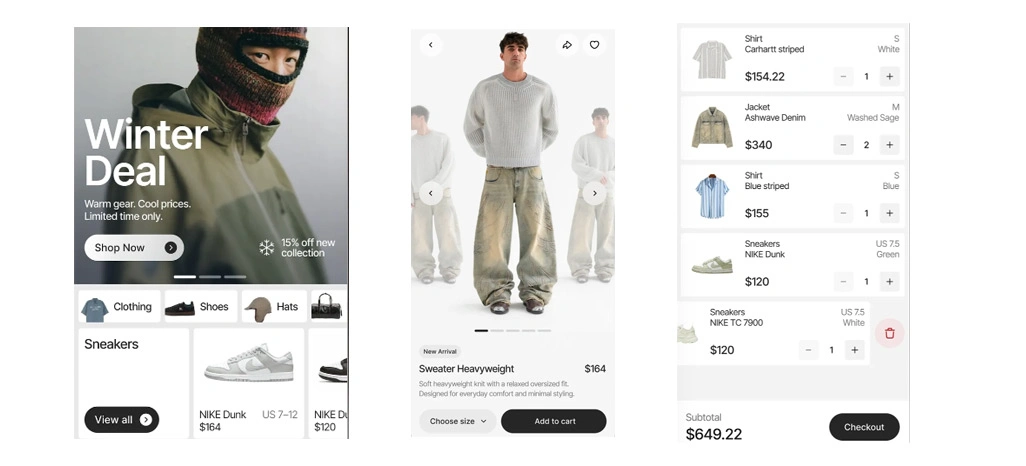
Competition across ecommerce platforms is dynamic, with retailers frequently changing their assortment, promotions, pricing, and product positioning. Businesses that rely on occasional manual research may miss important movements between reviews. Ecommerce Data Scraping for Competitor Analysis provides a structured approach for collecting competitor information repeatedly, helping teams evaluate changes rather than isolated marketplace conditions.
Retailers can monitor newly introduced products, changing descriptions, promotional offers, ratings, seller activity, and assortment expansion. This information becomes particularly valuable when several competitors operate within the same category. Web Scraping for Ecommerce Market Analysis can bring information from different online sources together, allowing teams to compare market movements using consistent fields and historical records.
| Competitive Signal | Information Observed | Business Application |
|---|---|---|
| New products | Recently added listings | Assortment planning |
| Price changes | Price increases or reductions | Pricing review |
| Promotions | Deals and offers | Campaign planning |
| Ratings | Customer response | Product evaluation |
| Assortment changes | Category expansion | Merchandising decisions |
Competitor monitoring can also support merchandising and category planning. A retailer may notice that competing stores are expanding specific product ranges, reducing prices on selected items, or increasing promotional activity. Such signals can help decision-makers review their own assortment and identify areas requiring additional attention. Regular collection also reduces the dependence on manual page-by-page research.
Key advantages include:
- More consistent competitor monitoring
- Faster identification of market changes
- Better assortment evaluation
- Improved merchandising decisions
- Easier historical comparisons
Proactive Inventory Visibility That Supports Stronger Ecommerce Performance
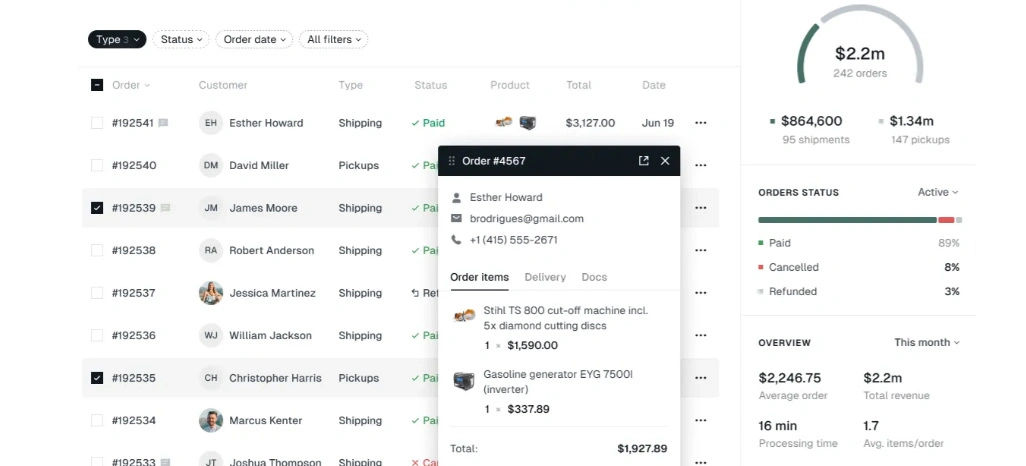
Product availability can influence customer purchasing decisions, competitor positioning, and potential sales opportunities. Retailers need to know when products become unavailable, return to stock, or appear as newly listed items across competing ecommerce channels. Real-Time Product Availability monitoring can provide useful signals for understanding supply conditions and identifying changes that may require attention.
A structured collection workflow can track availability alongside product names, prices, sellers, ratings, and promotional information. US Ecommerce Product Web Scraper solutions can help collect these attributes from selected ecommerce sources and organize them into standardized records. When historical availability information is retained, retailers can identify recurring stock gaps and understand how frequently products move between different availability states.
| Availability Signal | What It Indicates | Potential Response |
|---|---|---|
| In stock | Active supply | Continue monitoring |
| Out of stock | Supply interruption | Review alternatives |
| Limited stock | Possible supply pressure | Assess inventory |
| Newly listed | Product expansion | Evaluate opportunity |
| Removed listing | Product change | Investigate category impact |
Availability intelligence becomes even more useful when combined with pricing information. Ecommerce Scraping for Price Monitoring and Comparison can help businesses evaluate whether price changes occur alongside stock movements. For example, repeated stock shortages combined with stable or increasing prices may provide useful context for category planning, while widespread discounts alongside high availability may indicate stronger competitive pressure.
Key advantages include:
- Better visibility into stock conditions
- Faster identification of supply changes
- Improved assortment planning
- Stronger competitive monitoring
- More informed inventory decisions
How Retail Scrape Can Help You?
Retailers need reliable information that can be converted into practical business intelligence rather than simply collecting large volumes of unstructured pages. E-Commerce Data Scraping Benefits for US Retailers in 2026 become more meaningful when collected information is cleaned, standardized, and prepared for recurring analysis.
We can support businesses by collecting information from selected ecommerce sources and structuring it into usable formats. The workflow can be customized around specific categories, products, competitors, locations, or marketplaces, helping teams focus on the information most relevant to their business objectives.
- Collecting product information from selected online sources
- Tracking competitor pricing and promotional activity
- Monitoring product availability and assortment changes
- Organizing large volumes of marketplace information
- Supporting recurring data collection workflows
- Preparing structured information for business analysis
Retailers can receive E-Commerce Datasets based on their preferred requirements and use them for dashboards, market analysis, reporting, or internal analytics. Benefits of Ecommerce Data Scraping for Businesses can extend across pricing, merchandising, competitive intelligence, inventory planning, and market research when the collected information is consistently maintained.
Conclusion
The continued growth of ecommerce is making timely digital market intelligence increasingly important for US retailers. E-Commerce Data Scraping Benefits for US Retailers in 2026 can support more informed pricing, competitor monitoring, product evaluation, and inventory planning. Ecommerce Data Collection for Retailers can bring scattered online information into structured workflows that are easier to compare and analyze.
Retailers can also use How Can US Businesses Use Ecommerce Data Scraping in 2026 to align collection strategies with their specific commercial objectives and market requirements. Connect with Retail Scrape today to build a customized ecommerce data solution for your retail intelligence requirements.