
How Can a Best-Selling Products Across Ecommerce Marketplaces Guide Spot High-Demand Products?

Introduction
Identifying products with strong demand requires more than checking bestseller badges. Sellers need consistent marketplace signals, pricing patterns, customer interest, and category movement to understand what shoppers are actually buying. Ecommerce Product Datasets can organize these signals and support structured decisions across multiple online retail environments.
The Best-Selling Products Across Ecommerce Marketplaces Guide helps businesses compare product popularity, sales indicators, pricing changes, ratings, reviews, and category positions. Instead of relying on isolated observations, retailers can evaluate recurring patterns and identify products that maintain strong demand across different platforms and customer segments.
With structured information, businesses can refine sourcing, inventory planning, merchandising, and promotional strategies. Combining marketplace-level observations with Best Selling Products Data Analysis makes it easier to separate temporary spikes from sustained demand. This approach supports practical product selection while reducing decisions based only on assumptions or limited marketplace visibility.
Evaluating Marketplace Signals That Reveal Sustained Product Demand
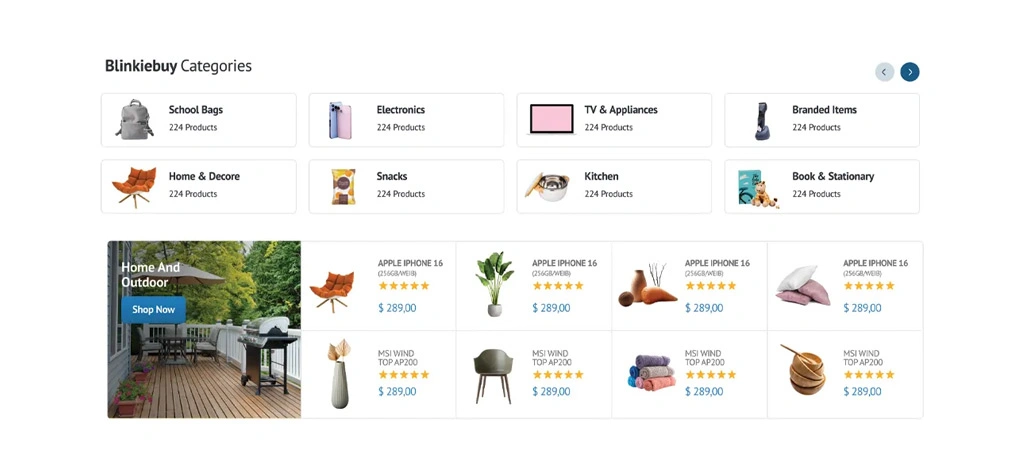
Understanding sustained product demand requires a combination of marketplace indicators rather than a single ranking or bestseller position. Product visibility can change because of promotions, seasonal campaigns, inventory shortages, or temporary customer interest. Ecommerce Product Data Scraping allows businesses to collect recurring information about listings, categories, rankings, prices, reviews, ratings, and availability so these signals can be compared over time and interpreted more effectively.
A consistent collection process makes it easier to distinguish short-term popularity from products that repeatedly attract shoppers. Ecommerce Product Catalog Scraping Tool solutions can organize product-level information from selected marketplace pages into structured records. Businesses can then examine how frequently products appear within strong-performing categories and whether their marketplace positions remain relatively stable despite changing prices, promotions, or competitive activity.
| Demand Signal | Business Interpretation |
|---|---|
| Product Ranking | Indicates relative marketplace visibility |
| Review Volume | Reflects accumulated customer activity |
| Rating Trend | Shows customer satisfaction patterns |
| Availability Status | Highlights possible demand pressure |
Product information becomes more useful when historical observations are compared instead of reviewing individual snapshots. Ecommerce Product Catalog Product Dataset structures can help businesses evaluate product attributes, category positions, availability, and marketplace movement together. This creates a stronger foundation for deciding which products deserve further sourcing, promotion, assortment, or inventory consideration.
Retailers can strengthen their evaluation process by combining several indicators before making product decisions. Important signals include:
- Repeated category visibility
- Consistent customer engagement
- Stable marketplace availability
- Competitive pricing movement
- Growing review activity
- Recurring ranking performance
Together, these indicators provide a broader view of demand and reduce dependence on isolated marketplace observations. A structured approach also makes recurring product evaluation easier for teams managing large catalogs across multiple ecommerce channels.
Comparing Product Performance Across Multiple Ecommerce Marketplaces

Comparing similar products across ecommerce marketplaces can reveal important differences in pricing, availability, visibility, and customer response. A product performing strongly on one platform may show weaker movement elsewhere because of competition, customer demographics, assortment differences, or promotional strategies. Competitor Product Analysis Ecommerce helps businesses evaluate these variations and understand where products demonstrate stronger commercial relevance.
Cross-marketplace comparisons become more valuable when product information follows a consistent structure. Ecommerce Marketplace Product Dataset API solutions can provide organized product records that support recurring comparisons across selected marketplaces. Businesses can examine prices, rankings, reviews, ratings, availability, categories, and product attributes without relying on disconnected manual observations.
| Comparison Factor | Business Purpose |
|---|---|
| Price Position | Evaluates competitive placement |
| Product Availability | Indicates supply consistency |
| Customer Ratings | Reflects shopper response |
| Category Ranking | Shows marketplace visibility |
A broader comparison can also identify products that maintain strong performance across several channels. Best Selling Products Across Multiple Marketplaces analysis allows retailers to examine whether demand appears consistently across different ecommerce environments. Products showing recurring visibility across channels may represent stronger opportunities than listings that perform well only because of a temporary campaign or marketplace-specific promotion.
Businesses can evaluate cross-channel performance through several practical indicators:
- Similar product availability across platforms
- Repeated category-level visibility
- Comparable customer response
- Marketplace-specific pricing differences
- Review volume and rating movement
- Promotional activity and listing changes
These comparisons help businesses understand competitive positioning while reducing assumptions based on one marketplace. When multiple channels are reviewed through consistent product records, retailers can identify broader demand patterns and make more informed decisions about sourcing, pricing, assortment expansion, and inventory allocation.
Converting Product Trends Into Practical Ecommerce Decisions
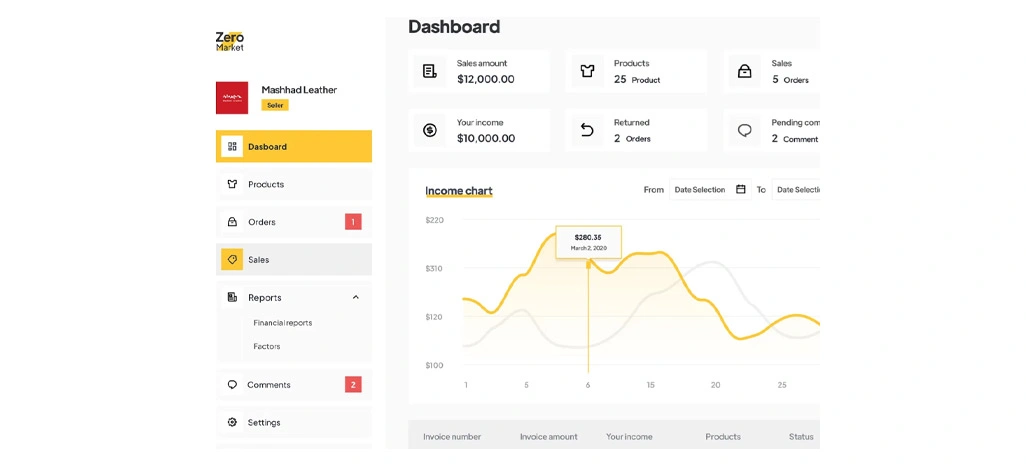
Product research becomes more useful when marketplace observations are transformed into structured insights that support business decisions. Rankings, prices, reviews, ratings, categories, and availability can each provide useful information, but their combined interpretation offers greater context. Web Scraping Ecommerce Product Data can organize these signals into comparable records, helping teams review large product catalogs without depending entirely on repetitive manual research.
Historical information is particularly useful for recognizing recurring product movements. Businesses can compare product positions over different periods and identify changes that may indicate growing customer interest, declining demand, seasonal behavior, or increased competition. Ecommerce Best Selling Product Data Analysis can support this evaluation by bringing multiple product indicators together for structured assessment and trend comparison.
| Dataset Element | Decision Supported |
|---|---|
| Product Category | Assortment planning |
| Price History | Pricing evaluation |
| Review Count | Demand assessment |
| Availability History | Inventory planning |
Structured research can also help analysts separate products with sustained commercial potential from those experiencing temporary marketplace spikes. Marketplace Product Analytics Research Dataset information can support category-level comparisons, product movement studies, and historical evaluations. When these insights are reviewed consistently, businesses can improve product prioritization and allocate resources toward opportunities supported by multiple marketplace signals.
A practical evaluation process can focus on several areas:
- Identify recurring high-visibility products
- Compare category movement over time
- Review pricing changes alongside demand
- Examine customer feedback patterns
- Monitor availability fluctuations
- Prioritize products with consistent signals
The objective is not simply to identify popular listings but to understand why certain products continue attracting marketplace attention. Combining structured records with consistent evaluation creates a repeatable decision-making process for sourcing, inventory, pricing, assortment planning, and competitive research across changing ecommerce conditions.
How Retail Scrape Can Help You?
Retail teams often need dependable marketplace information before deciding which products deserve sourcing, promotion, or inventory investment. With the Best-Selling Products Across Ecommerce Marketplaces Guide, businesses can evaluate product performance using structured marketplace signals instead of depending on manual checks.
Key capabilities can support practical product intelligence:
- Collect product information from selected online marketplaces
- Monitor rankings and availability across product categories
- Organize product attributes into structured datasets
- Compare marketplace pricing and promotional patterns
- Track ratings and review activity for demand indicators
- Deliver organized information for analysis and reporting
A structured workflow can also combine Ecommerce Product Price Tracking Data with product attributes, rankings, and availability information. We can help transform scattered marketplace observations into organized records suitable for research, competitive monitoring, assortment planning, and recurring business analysis.
Conclusion
Strong product decisions depend on identifying patterns that remain meaningful across marketplaces rather than reacting to isolated bestseller positions. The Best-Selling Products Across Ecommerce Marketplaces Guide provides a practical framework for comparing demand indicators, pricing behavior, rankings, reviews, and availability. When these signals are evaluated together, businesses can make more informed sourcing and assortment decisions.
A structured approach also reduces manual research and creates a repeatable process for evaluating changing marketplace conditions. Businesses can further strengthen decision-making by combining marketplace records with Identify Best Selling Products Ecommerce methods and structured historical comparisons. Consistent data collection makes it easier to recognize recurring demand, evaluate competitive movement, and prioritize products with stronger commercial potential.
For organizations seeking scalable marketplace intelligence, reliable data collection can turn product research into a more measurable business process. Connect with Retail Scrape today to build structured ecommerce product intelligence for smarter marketplace decisions.