
Introduction
The automotive industry in the United States is undergoing a rapid digital transformation. With millions of vehicles being bought and sold online every year, businesses are increasingly relying on data to stay competitive. Automotive market intelligence—powered by web scraping—has become a crucial tool for dealerships, manufacturers, investors, and data-driven startups.
From tracking vehicle prices to analyzing demand trends, web scraping enables companies to collect large-scale, real-time data from platforms like CarGurus, Autotrader, and Cars.com. This data is then transformed into actionable insights that drive smarter decision-making.
In this blog, we’ll explore how web scraping fuels automotive market intelligence in the United States and how businesses can leverage it for growth and innovation.
What is Automotive Market Intelligence?
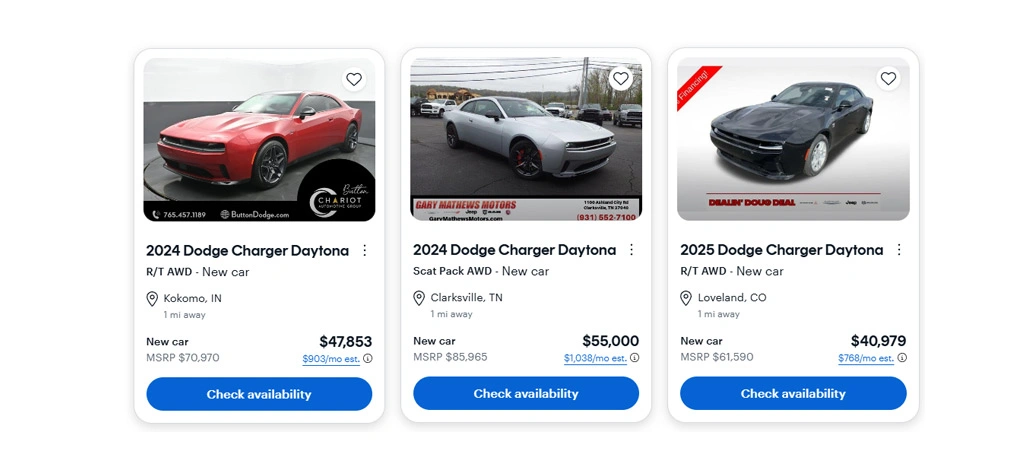
Automotive market intelligence refers to the process of collecting, analyzing, and interpreting data related to the automotive industry. This includes:
- Vehicle pricing trends
- Consumer demand patterns
- Competitor strategies
- Inventory availability
- Regional performance
With web scraping, businesses can automate the collection of this data at scale, ensuring accuracy and timeliness.
Why Web Scraping is Essential for Automotive Intelligence

1. Real-Time Data Access
Traditional data collection methods are slow and limited. Web scraping allows businesses to gather real-time data from multiple sources, enabling faster decision-making.
2. Comprehensive Market Coverage
Online platforms such as TrueCar and Edmunds host millions of listings. Scraping ensures access to a wide dataset covering:
- Different vehicle types
- Price ranges
- Geographic regions
3. Competitive Advantage
Companies that leverage data can:
- Adjust pricing dynamically
- Identify market gaps
- Predict consumer behavior
Key Data Sources for Automotive Web Scraping
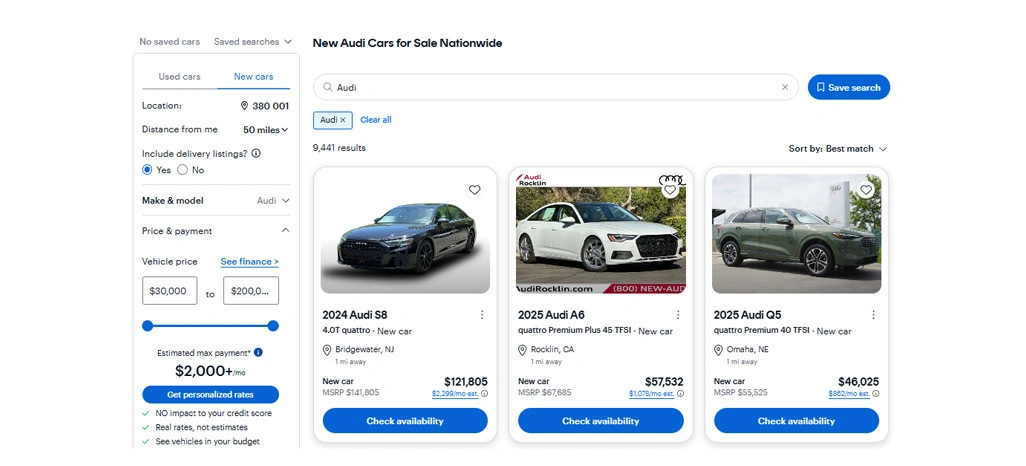
To build a robust intelligence system, businesses scrape data from multiple sources:
1. Automotive Marketplaces
- CarGurus
- Autotrader
- Cars.com
These platforms provide detailed vehicle listings and dealer data.
2. OEM and Dealer Websites
Manufacturers and dealerships publish:
- Vehicle specifications
- Pricing offers
- Promotions
Scraping this data helps track official pricing and inventory.
3. Review and Rating Platforms
Customer feedback from platforms like Edmunds provides insights into:
- Customer satisfaction
- Vehicle reliability
- Buying behavior
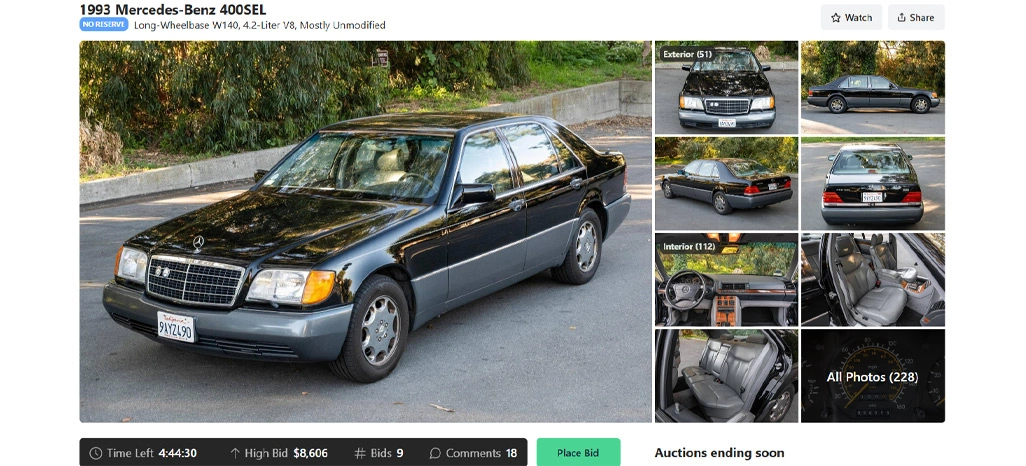
4. Auction and Resale Platforms
These platforms offer data on:
- Vehicle resale value
- Auction trends
- Wholesale pricing
Key Data Points Extracted
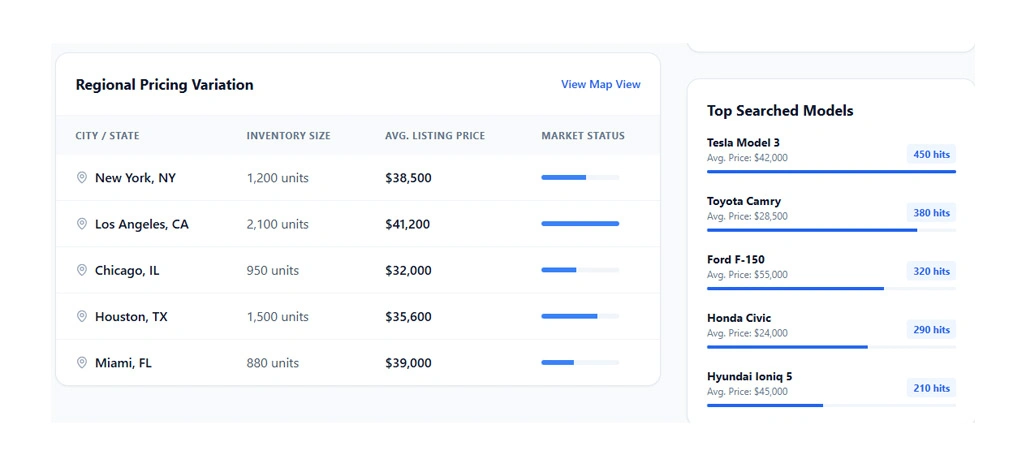
Automotive web scraping focuses on capturing structured data such as:
Vehicle Information
- Make, model, and year
- Trim and variant
- Fuel type (gasoline, electric, hybrid)
- Transmission type
Pricing Insights
- Listing price
- Discounts and offers
- Historical price changes
Location-Based Data
- City and state
- Dealer location
- Regional pricing variations
Dealer Insights
- Dealer ratings
- Inventory size
- Contact details
Consumer Behavior Data
- Reviews and ratings
- Popular vehicle searches
- Demand signals
Use Cases of Automotive Market Intelligence
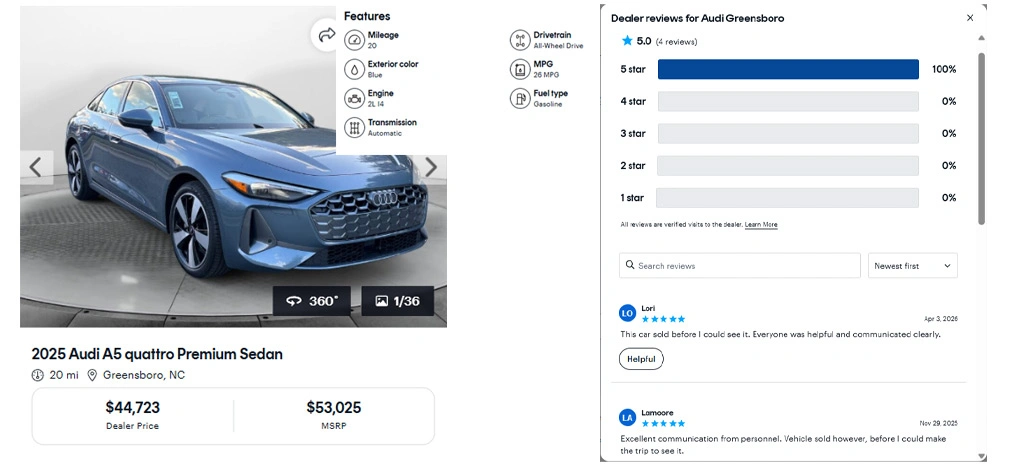
1. Dynamic Pricing Optimization
By analyzing competitor pricing data, dealerships can:
- Adjust prices in real time
- Stay competitive
- Maximize profit margins
2. Demand Forecasting
Scraped data helps identify:
- Trending vehicle models
- Seasonal demand patterns
- Emerging preferences (e.g., EV adoption)
3. Inventory Management
Dealerships can:
- Stock high-demand vehicles
- Reduce unsold inventory
- Improve turnover rates
4. Competitive Benchmarking
Businesses can monitor:
- Competitor pricing strategies
- Inventory levels
- Promotional campaigns
5. Market Entry Strategy
For new entrants:
- Identify high-demand regions
- Analyze competitor presence
- Understand pricing benchmarks
Regional Insights Across the United States
The U.S. automotive market varies significantly by region:
West Coast (e.g., California)
- High demand for electric vehicles
- Strong environmental regulations
- Premium pricing trends
South (e.g., Texas)
- Preference for trucks and SUVs
- Competitive pricing
- Large dealer networks
Northeast
- Demand for compact and fuel-efficient cars
- Higher urban usage
Midwest
- Balanced demand across vehicle types
- Strong used car market
Technologies Powering Automotive Web Scraping
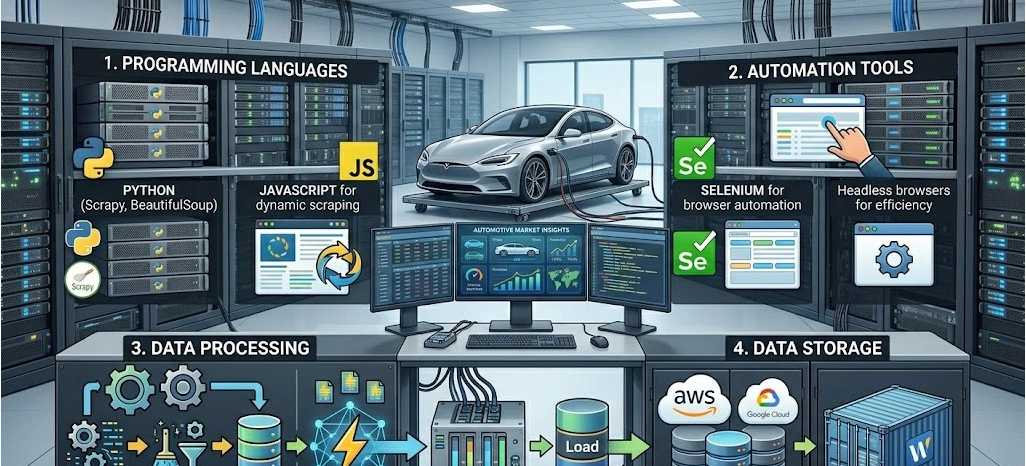
1. Programming Languages
- Python (Scrapy, BeautifulSoup)
- JavaScript for dynamic scraping
2. Automation Tools
- Selenium for browser automation
- Headless browsers for efficiency
3. Data Storage
- Cloud databases (AWS, Google Cloud)
- Data warehouses
4. Data Processing
- ETL pipelines
- Real-time data streaming
Challenges in Automotive Web Scraping
1. Anti-Bot Mechanisms
Websites like CarGurus use:
- CAPTCHA
- Rate limiting
- IP blocking
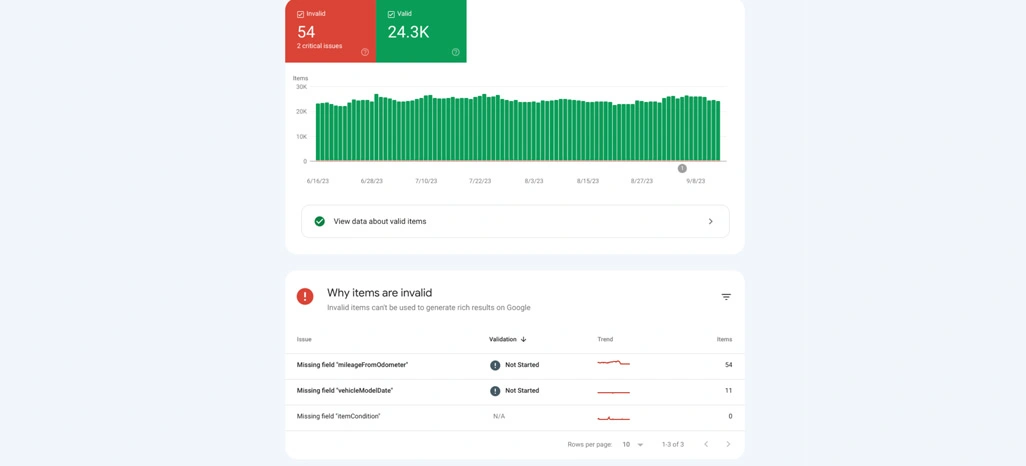
2. Data Quality Issues
Challenges include:
- Duplicate listings
- Missing data fields
- Inconsistent formats
3. Legal Compliance
Businesses must:
- Follow website terms of service
- Ensure ethical data usage
- Comply with data protection laws
Best Practices for Effective Web Scraping
- Use rotating proxies to avoid blocking
- Implement data validation processes
- Schedule regular scraping intervals
- Ensure compliance with legal guidelines
- Use APIs where available
Future of Automotive Market Intelligence
1. AI and Machine Learning Integration
- Predictive pricing models
- Demand forecasting algorithms
2. Real-Time Analytics
- Instant insights for decision-making
- Live dashboards
3. EV Market Expansion
- Increased focus on electric vehicle data
- Charging infrastructure analysis
4. Personalization
- Customized recommendations for buyers
- Targeted marketing strategies
How Businesses Benefit from Automotive Data Intelligence
Dealerships
- Improve pricing strategies
- Optimize inventory
- Increase sales
OEMs
- Monitor competitor performance
- Adjust production strategies
Startups
- Build innovative automotive platforms
- Offer price comparison tools
Investors
- Identify high-growth segments
- Make data-driven investment decisions
Conclusion
Automotive market intelligence powered by web scraping is transforming how businesses operate in the United States. By extracting and analyzing data from platforms like CarGurus, Autotrader, and Cars.com, companies can gain deep insights into pricing, demand, and competition.
This data-driven approach enables smarter decision-making, improved operational efficiency, and a stronger competitive edge in a rapidly evolving market.
To truly unlock the potential of automotive data, businesses need a reliable and scalable scraping solution. This is where Retail Scrape becomes essential. By delivering high-quality, real-time automotive datasets and advanced analytics, Retail Scrape empowers organizations to turn raw data into actionable market intelligence—driving growth, innovation, and long-term success in the automotive industry.
Effortlessly managing intricacies with customized strategies.
Mitigating risks, navigating regulations, and cultivating trust.
Leveraging expertise from our internationally acclaimed team of developers
Reliable guidance and assistance for your business's advancement