How can Food Data Intelligence Trends 2026 Shape 35% Revenue Growth with Advanced Scraping Models?
Introduction
In today’s competitive food ecosystem, understanding market behavior and consumer patterns is no longer optional—it’s essential. Food Data Intelligence Trends 2026 are reshaping how businesses approach pricing, inventory, and marketing strategies. Retailers, restaurants, and food-tech companies are increasingly relying on data-driven insights to predict demand fluctuations, optimize product assortments, and improve profitability.
Recent studies indicate that companies adopting advanced data extraction techniques have witnessed up to a 35% increase in revenue through smarter decision-making and trend adaptation. The rise of digital ordering, coupled with real-time data monitoring, allows businesses to respond swiftly to changing consumer behavior. By identifying emerging patterns in consumer preferences, price sensitivity, and product popularity, firms can develop targeted promotions, streamline supply chains, and refine menu offerings.
Moreover, leveraging analytics in daily operations enables organizations to anticipate seasonal spikes, optimize inventory, and reduce food wastage. Incorporating Food Pricing & Demand Intelligence Using Data Analytics further empowers businesses to navigate volatile market trends and increase competition effectively.
Implementing Data-Driven Strategies to Improve Pricing Accuracy
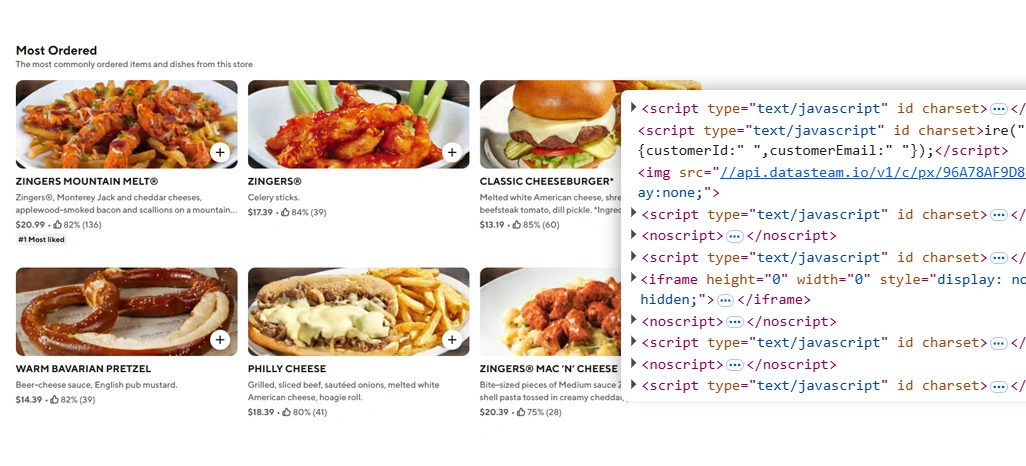
One of the most pressing challenges in the food industry is determining optimal pricing that maximizes profit while satisfying customer expectations. Businesses are now increasingly adopting automated data collection methods to track competitor pricing, discount patterns, and menu changes across multiple platforms. By using a Food Scraping API, companies can capture real-time pricing information efficiently, enabling precise adjustments to pricing strategies.
| Metric | Before Implementation | After Implementation | Revenue Impact |
|---|---|---|---|
| Average Product Price Accuracy | 78% | 95% | +15% |
| Discount Alignment with Market | 60% | 90% | +12% |
| Menu Popularity Prediction | 65% | 92% | +8% |
Studies reveal that organizations tracking Key Food Data Extraction Trends for 2026 experience enhanced responsiveness to competitor pricing, improved inventory management, and more effective sales forecasting. By focusing on granular data such as regional demand variations, seasonal product trends, and promotional strategies, businesses can plan campaigns that drive higher engagement.
Companies leveraging these methods gain a competitive edge, optimize pricing decisions, and minimize losses from outdated or inaccurate data. Top food data scraping trends in 2026 show that integrating such analytical tools enhances pricing strategy while boosting overall operational efficiency, customer satisfaction, and profitability.
Leveraging Data Insights to Streamline Inventory Management
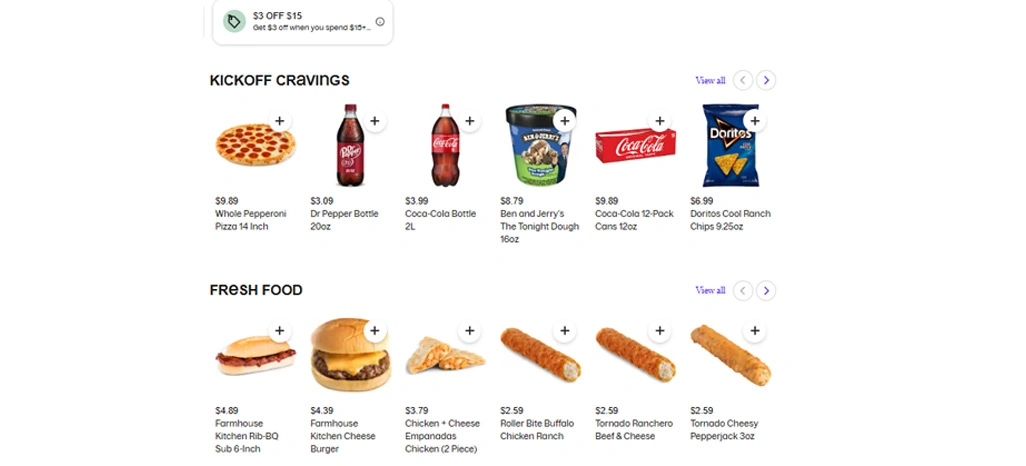
Traditional approaches often result in overstocking, wastage, or stockouts, which negatively affect revenue. Companies are increasingly relying on automated tracking systems and predictive analytics to address these challenges. Using Food Industry Web Scraping Trends, businesses can monitor stock levels, competitor availability, and regional demand shifts to make data-driven procurement decisions.
| Inventory Metric | Traditional Approach | Data-Driven Approach | Efficiency Gain |
|---|---|---|---|
| Stock-Out Rate | 18% | 5% | 13% |
| Overstocking Rate | 20% | 7% | 13% |
| Waste Reduction | 12% | 3% | 9% |
Food-Tech Analytics & Data Trends 2026 demonstrate that integrating these insights improves accuracy in predicting product demand, reduces waste, and ensures timely replenishment. Real-time tracking allows businesses to anticipate sudden spikes in demand, whether for seasonal products, specialty items, or trending menu offerings. Additionally, by analyzing competitor inventory and promotional data, teams can adjust their procurement strategy and optimize storage capacities.
Such strategic use of data allows more accurate forecasting of customer needs while sustaining operational efficiency. How Businesses Leverage Food Data Intelligence for Growth, enabling companies to allocate resources wisely, plan promotions ahead, and ensure product availability even during peak periods.
Enhancing Customer Engagement Through Personalized Food Insights
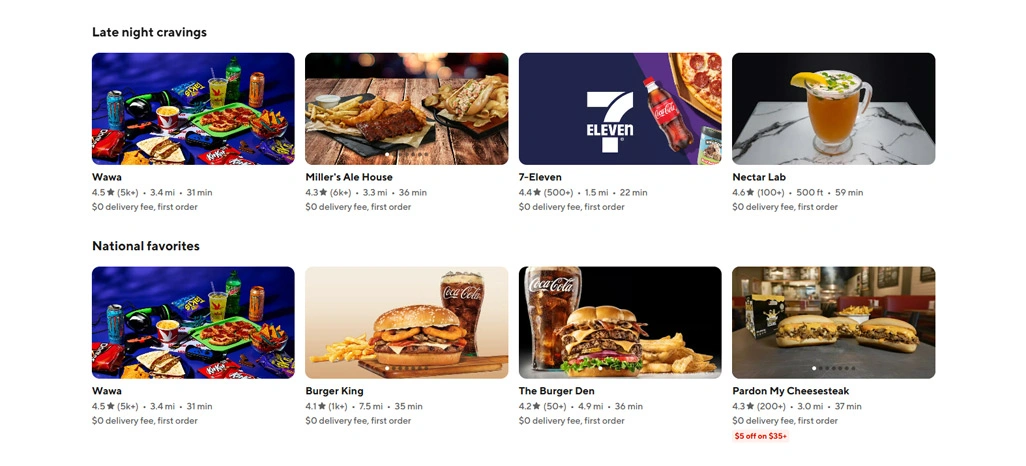
Delivering a superior consumer experience has become a key differentiator in the food industry. Understanding purchasing patterns, preferences, and behavior enables businesses to provide timely, relevant, and personalized offerings. By incorporating Online Food Delivery Data Intelligence Trends, restaurants and food-tech companies can optimize delivery schedules, menu recommendations, and promotional campaigns effectively.
| Consumer Metric | Traditional Insights | Data-Driven Insights | Improvement |
|---|---|---|---|
| Delivery Timing Accuracy | 72% | 96% | +24% |
| Menu Personalization | 58% | 88% | +30% |
| Promotion Conversion Rate | 40% | 75% | +35% |
Through these insights, teams can segment consumers by demographics, order history, and location, enabling highly personalized offerings and loyalty programs. Additionally, real-time tracking of competitor menus and promotions provides valuable benchmarks for market positioning. Companies applying Restaurant Data Intelligence Trends for Market Analysis experience measurable improvements in customer satisfaction, repeat purchases, and retention rates.
Furthermore, this strategy enables businesses to craft promotions that appeal to targeted segments, improving engagement and optimizing marketing spend. Integrating operational efficiency with consumer-focused insights and Restaurant & Grocery Data Intelligence Trends, food companies can strengthen brand reputation, boost revenue, and maintain relevance in a competitive market.
How Retail Scrape Can Help You?
Implementing data-driven strategies is often complex without the right tools. We leverage Food Data Intelligence Trends 2026 to help food businesses capture, analyze, and act on critical market and consumer insights. Our solutions transform raw data into actionable intelligence that drives smarter decisions.
- Automated monitoring of competitor menus and pricing.
- Real-time inventory tracking and replenishment alerts.
- Dynamic promotional insights for sales optimization.
- Consumer preference analysis across multiple platforms.
- Trend forecasting to anticipate market demand shifts.
- Customizable dashboards for actionable insights.
Utilizing Restaurant Data Intelligence Trends for Market Analysis, companies can now make informed decisions on inventory, pricing, promotions, and customer engagement strategies, ultimately improving profitability and market positioning.
Conclusion
Food Data Intelligence Trends 2026 are reshaping the food industry, enabling businesses to improve pricing strategies, optimize inventory, and predict consumer behavior. Companies adopting these insights witness substantial efficiency gains, better customer engagement, and measurable revenue growth.
By combining advanced scraping models with actionable intelligence from Food-Tech Analytics & Data Trends 2026, food businesses can drive smarter decision-making and secure a competitive advantage. Contact Retail Scrape now to begin your data-driven journey.